
Fighting talk: Anthony Joshua is gearing up for the biggest twelve rounds of his life
11 December 2026 will be a big night for British boxing, as two-time unified heavyweight boxing world champion Anthony Joshua faces fellow British heavyweight Tyson Fury in the ring for the very first time. In the only interview before the fight, Rolling Stone UK speaks to Joshua as he looks forward to this long-anticipated clash of two heavyweight titans
By Nick Reilly
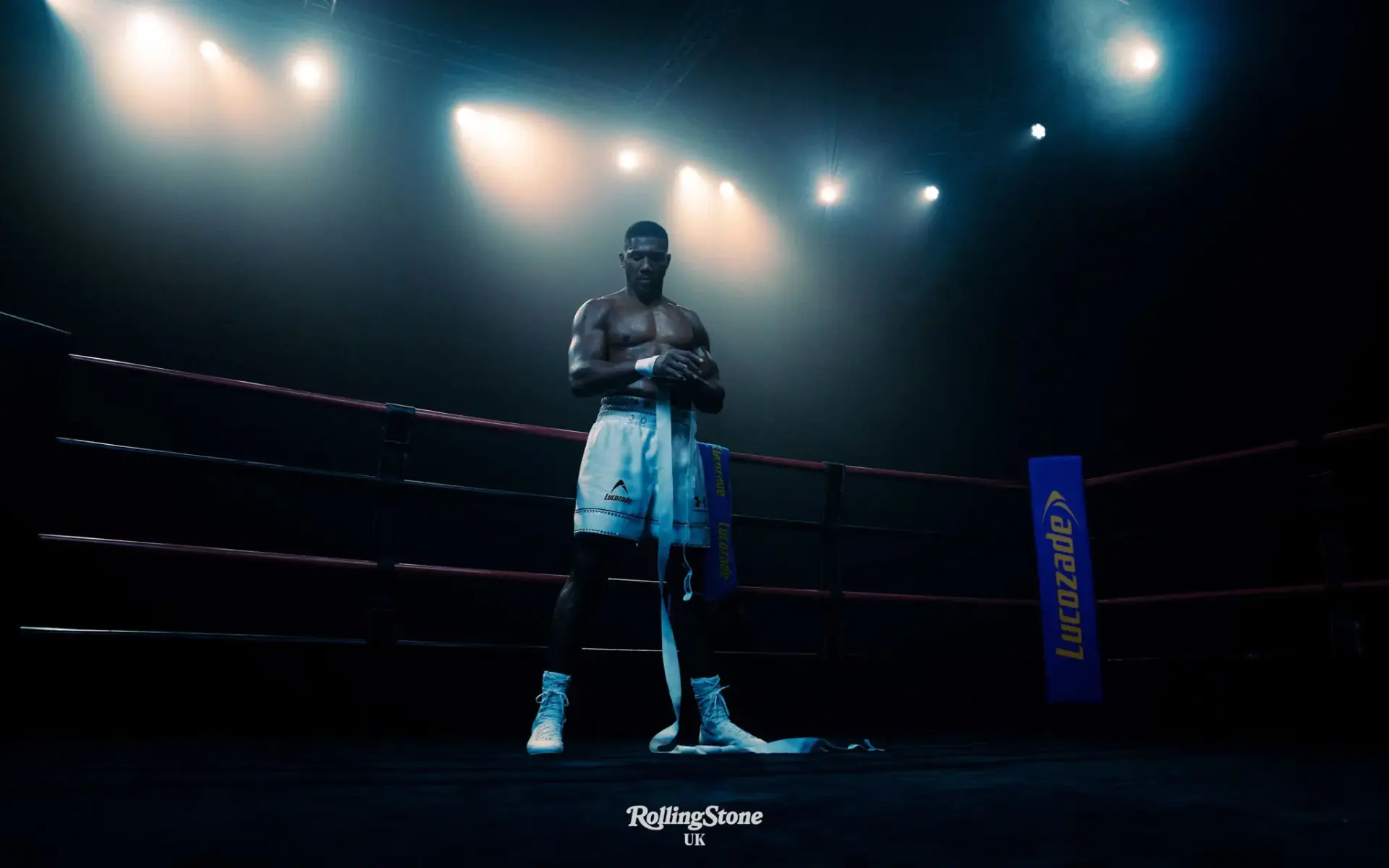
It’s a crisp Friday morning in late September and two-time unified heavyweight boxing champion of the world Anthony Joshua is candidly contemplating the challenge that awaits him on 11 December. Namely, the biggest fight in British boxing history against his historic rival Tyson Fury in front of 80,000 fans at Cardiff’s Principality Stadium.
“It just feels surreal,” the 37-year-old says of the incoming battle between the two greatest British heavyweights of their era. But surreal barely covers the feeling that Rolling Stone UK experiences when we head to the first press conference in London just weeks before and witness these two vaunted juggernauts eyeballing each other up close and personal, before they take up opposite corners in the ring for the first time.
It is a moment that’s been quite literally a decade in the making, and one that many thought would never happen. But even now, when many have rued the fact that this fight failed to happen earlier in the pair’s careers when belts were truly on the line, it is a hugely anticipated scrap where the winner will get generational bragging rights over their rival. Both men may be seemingly in the twilight of their careers, but tickets sold out in a matter of minutes. Better late than never, it seems, for this hugely anticipated clash.
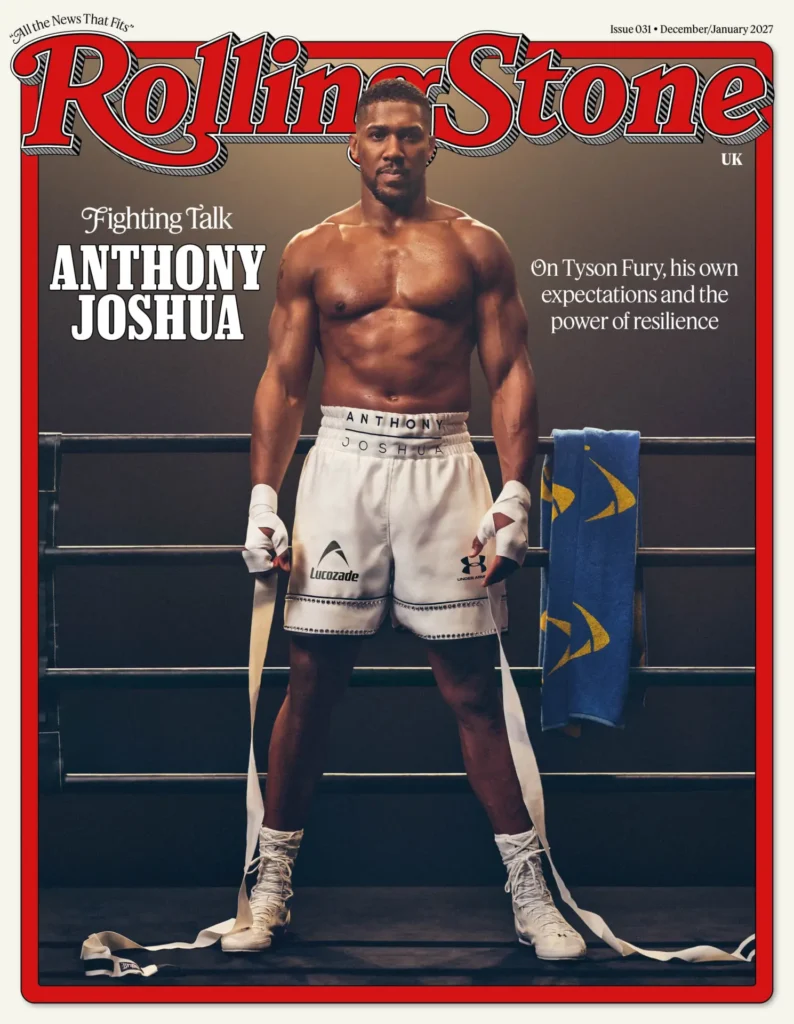
“It’s going to be challenging, but it’s a big one and I live up to the expectations I have of myself,” says Joshua. “And if I beat him [Fury], it’s probably going to be the number one moment in my career.”
The clash also arrives at a time when Joshua has shown astonishing mental strength to even step into the ring again. Last December, tragedy struck when he was travelling in an SUV in Lagos, Nigeria, and the vehicle crashed into a stationary truck. Two of Joshua’s childhood friends, his personal trainer, Latif Ayodele, and strength and conditioning coach, Sina Ghami, were killed. Just seven months later, Joshua returned to boxing to defeat the Albanian fighter Kristian Prenga with an emphatic second-round stoppage.
I’ve been told that Joshua is understandably reluctant to discuss the fatal crash, but he began the press conference earlier in the month that we meet by holding an immaculately observed minute’s silence for his friends, as well as the late, great Ricky Hatton. It struck an immediate conciliatory tone for the event, which continued with Fury heaping unexpected praise on his rival. Fans who came for trash-talking instead witnessed something far more remarkable.
“This man is a two-time heavyweight champion and an Olympic gold medallist. He’s been a role model and poster boy for British boxing for years,” came the lavish praise from Fury, a man not unfamiliar with labelling his opponents as bums and dossers. “I mostly find myself defending my arch-rival to fans that I meet in the street. I say to them, ‘If you could achieve 10 per cent of what this man has achieved, you’d be fucking doing well.’”
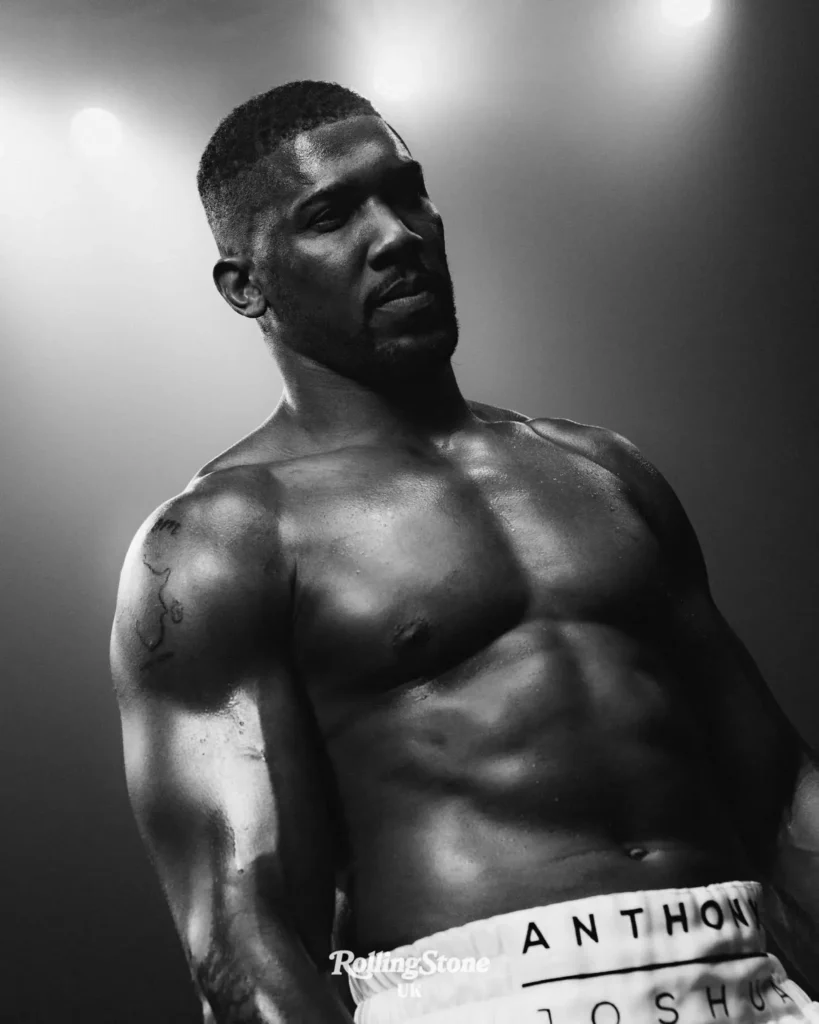
So, is the praise reciprocal? What’s the biggest compliment that Joshua would pay his rival?
“It wouldn’t be about boxing,” Joshua responds. “I’d just say well done for keeping your family together, and your wife, your kids, because that’s the pillar stone of your career at the end of the day,” he says. “Because when everything’s said and done, that’s what you’re gonna have to fall back on and that’s who is gonna keep you sane, give you purpose. And throughout all of his successes, the trappings that come with success, the distractions, the highs, the losses, he’s kept his family in good shape.”
It is the latest remarkable chapter in a career which has seen Joshua become one of Britain’s most beloved stars. He was the kid from Watford who won Olympic gold on home turf during the 2012 Olympics and went on to become unified champion – when a boxer holds two or more of the four major world championship titles – when he beat the great Wladimir Klitschko during a 2017 unification fight. There have been lesser moments too, including the shock loss to Mexican slugger Andy Ruiz in 2019, but a rematch later that year allowed him to become a two-time champion. This fight will mark the latest dramatic chapter in an astonishing journey which as a young kid he would barely have believed possible.
“I used to just go to the gym to drop my cousin off and then I wanted to get fit,” he reflects. “So when opportunities to fight were presented, it was all part of that, and I just put myself up to any challenge that was given to me, and my mind and body was able to do it. If I had a plan in place, I think I would have stopped a long time ago.”
How so? “Well, winning the championship is a big deal and you can unify it, but you can lose it too,” he says. “Then you start realising that this little kid that went in the gym when he was 18 is now targeted as someone that people throw hate towards and it’s all the mental pressure that comes with it now. You don’t sign up for a lot of the things that come with the boxing world. I never imagined that it would be glory, but also some dark times as well. But I’m strong enough to get through it.”
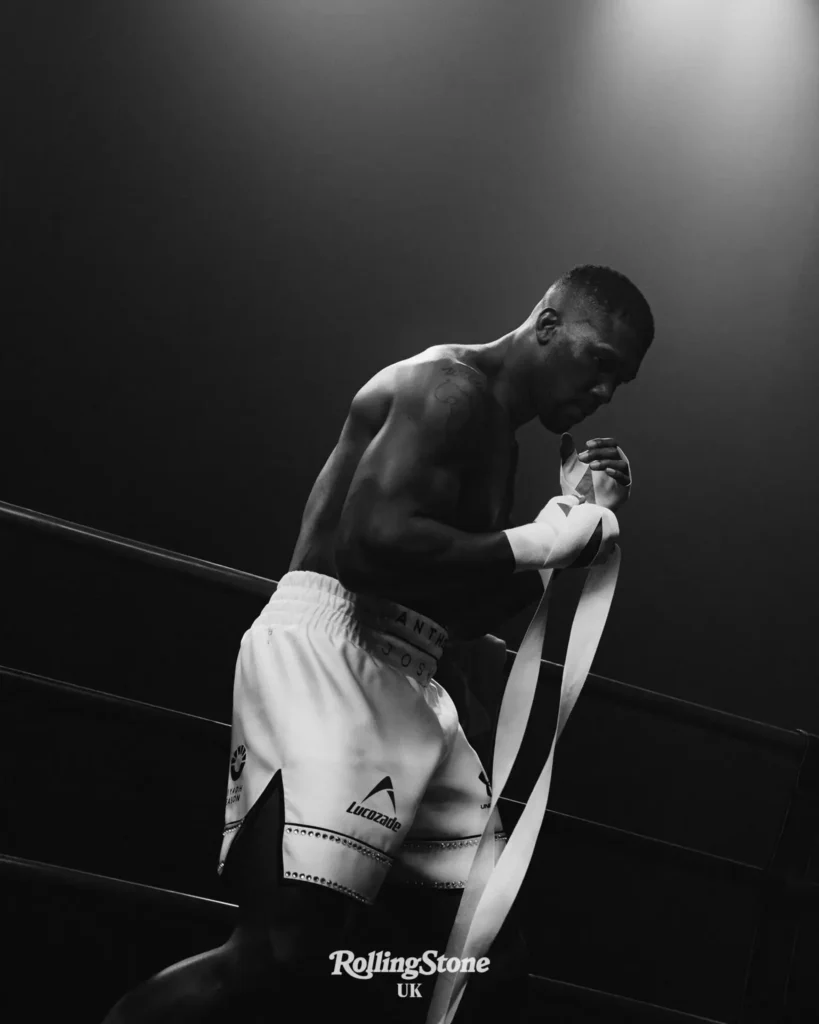
How does a heavyweight champion get through the darker times? “It’s all about the mission you’re on and that aligns to boxing, but it could align to anything,” he professes. “As long as my spirit’s in the right place, I can attack the day with whatever’s thrown at me and then I use my energy at the minute to put it all back into boxing.”
Even if Joshua shows remarkable mental resilience, there is also the small matter of reckoning with the practical reality of someone like Tyson Fury. He is the tallest British boxer of all time at six feet nine, some three inches taller than Joshua, while his iconic comeback against the American Deontay Wilder saw him memorably rise from the canvas after being knocked on his back.
“The worry would be if I believed that I was gonna knock him down and keep him down,” he says. “If I thought that I’m going to go in there and soon as I hit him, I’m going to pin him to the canvas. But what I’ve said to myself is that I understand the spirit and the character of Fury. He is someone who is resilient, someone who draws on the energy of the crowd and wants to perform and will do everything he can to be the best.
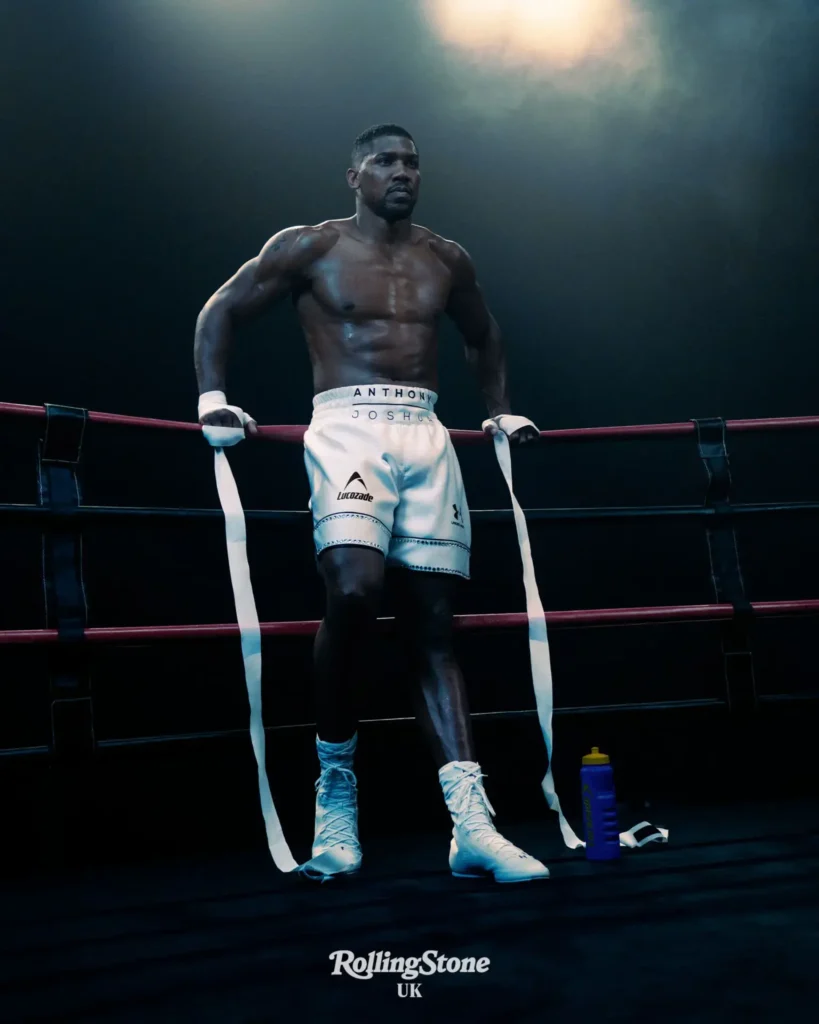
“It’s not a worry anymore because I understand that I have to be conditioned for 12 rounds of fighting, so I’m not going in there looking to stop him in six rounds and then if it doesn’t happen then I’m quite shocked. I’m pretty content with a 12-round fight and I’m pretty content knowing the guy I’m fighting with won’t go down easy. I understand that.”
What about his own weaknesses? Joshua had a brief hiccup in his last fight when Prenga knocked him to the canvas in round one before he eventually won.
“Heavyweight boxing is one of the most dangerous weight categories and these things do happen,” he admits of that early scare last summer. “But one thing I did show is a hell of a lot of resilience and I doubt that type of thing will happen again in the next fight because of what I went through. It’s like if you’re in a bad relationship: the next woman you meet, you’re not going to go through the same thing again, are you? You’re gonna learn from it and make it better.”
The longest constant in Joshua’s career has been his career-long association with promoter Eddie Hearn, whom Joshua praises for a mutual “understanding of what our responsibilities and our duties are to each other”. But not far behind that is the decade-long relationship with Lucozade Energy. And it is during this part of the interview that the heavyweight champion asks where this Rolling Stone UK writer lives and threatens to visit our house. The reason behind his enquiry is, thankfully, not as menacing as it sounds.
“I’m gonna pop down there and make sure you grab the right one,” he says after telling us in depth how the Lucozade Alert Mango Peachade, which we have never sampled, is his favourite of the brand’s drinks.
He then expands on the experiences the partnership has brought him. “I like connecting with people and doing memorable things,” he says. “Supporting the London Marathon with Lucozade is already memorable, and it’s been amazing watching people run for their family members with cancer, or supporting hospitals. Lucozade is fuelling that journey and just to be a part of that has been, like, exceptional.”
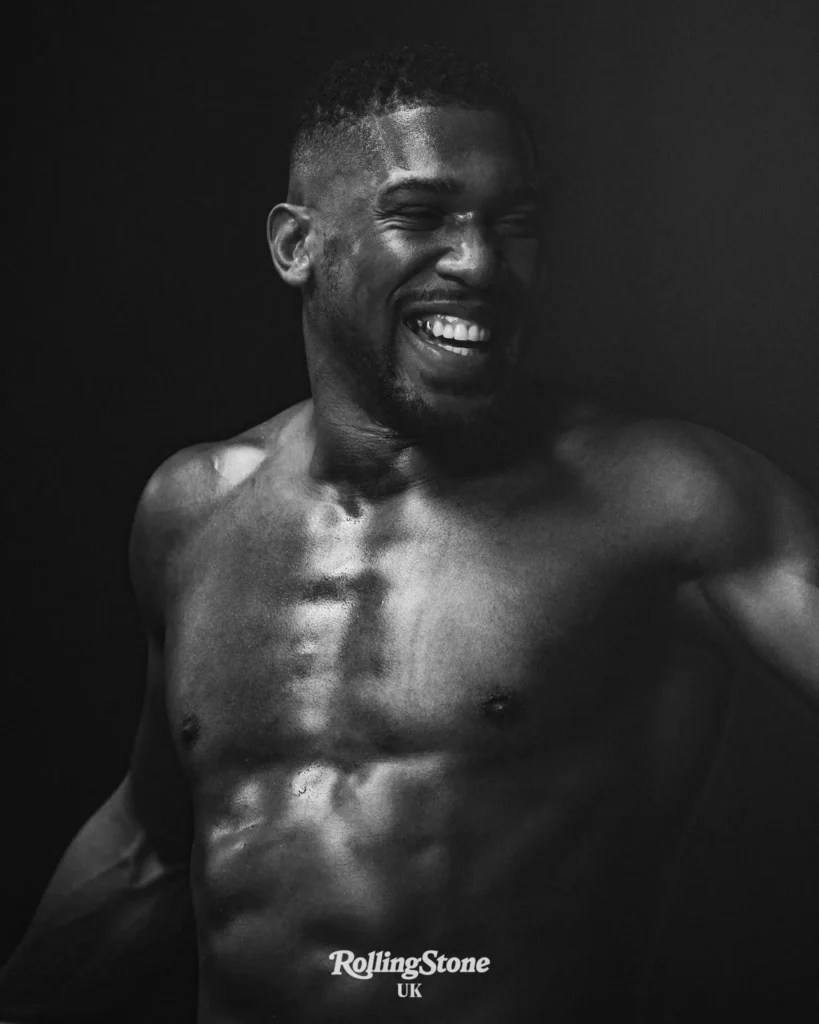
He adds, “Then you’ve got the sporting element, and it’s helped me and half my team to recover, so there’s that element as well. There’s a lot of positives that have come with partnering with such a great brand and it’s been phenomenal.”
But back to the fight at hand. Fight night – 11 December – is just over a month away. To put it bluntly, Joshua is 12 rounds away from potentially cementing his status as a generational great.
“I’m not a corporate body,” he affirms when asked to consider what his legacy will be after he hangs up the gloves. “I don’t pander to no one. I do what I feel is right, whether that goes against the grain. I brought British boxing to a good place. I participated in an era where British boxing was being held in leisure centres, and we took it from the leisure centres, literally tennis courts filled with plastic seats, and we took it to stadiums. I played a part in reviving British boxing, and I hope this is a cornerstone for the next generation to see that.”
Taken from the December/January issue of Rolling Stone UK. You can pre-order it here.