
From First Sound to Full Immersion: Wilfried Van Baelen on How 3D Audio Transforms Music, Memory, and Emotional Connection
In partnership with APG
By Kara Markley
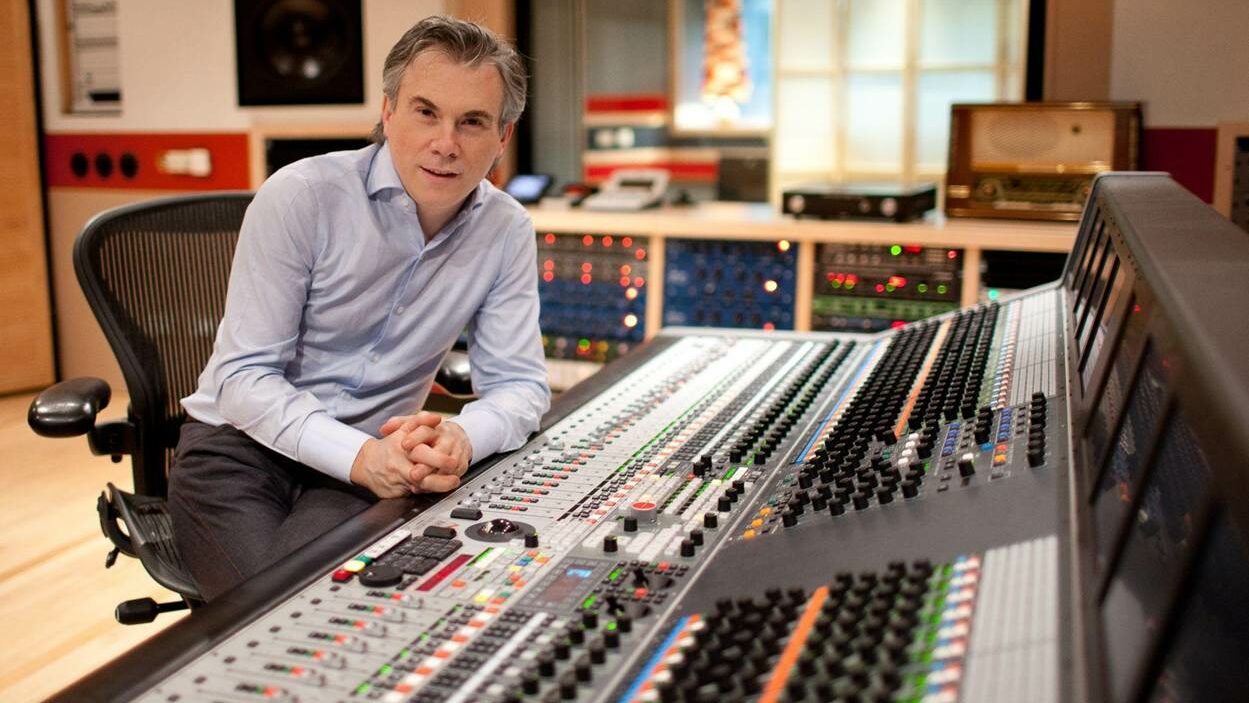
Sound is often treated as background, yet it is the first connection most people have with the outside world. Hearing develops before birth, creating an early sensory link that continues throughout life. Wilfried Van Baelen, founder of AuroMasters, explains that this connection does not switch off. It remains active even during sleep, operating as a constant system that helps the brain map surroundings and detect changes in the environment.
From his perspective, this continuous role of sound shapes how humans experience reality more deeply than is often recognized. The brain processes auditory information with remarkable precision. Van Baelen notes that this sensitivity allows people to orient themselves in space and respond instinctively to their surroundings.
Merging Science and Perception
This understanding has influenced how he approaches sound through his work at the Galaxy Studios in Belgium, which he frames as a combination of a recording environment and a scientific lab. In that setting, he has explored how sound interacts with human perception, particularly how spatial cues influence both clarity and emotional response.
Research supports the broader significance of this relationship. According to research, experiences that engage multiple senses can increase memory retention, highlighting how sensory alignment influences engagement and recall. This reinforces the idea that how sound is delivered matters as much as the content itself.
Moving Beyond Flat Audio
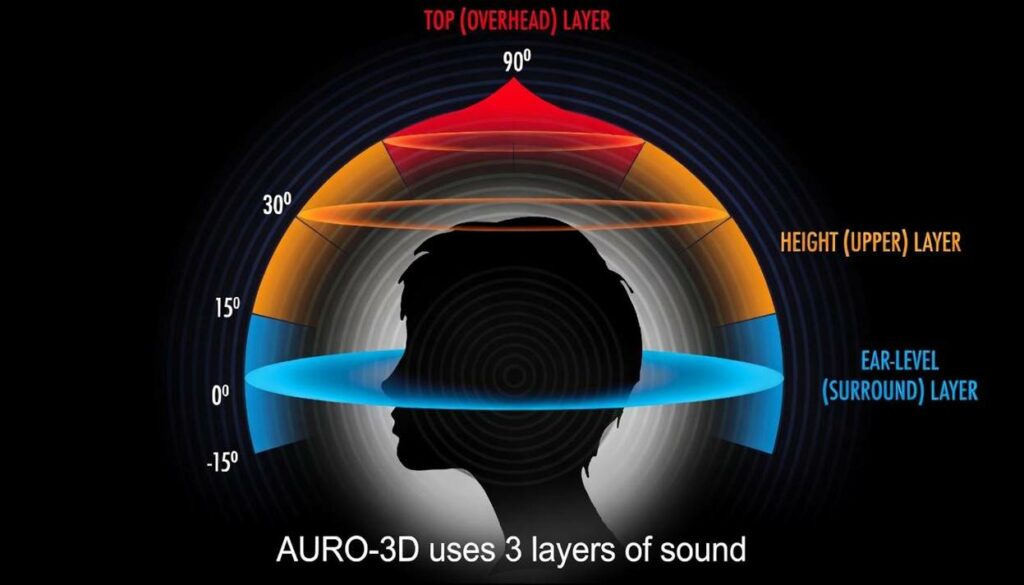
Van Baelen suggests that much of today’s audio consumption may not fully reflect how the brain typically interprets sound in natural environments. Stereo formats place audio along a single horizontal line, while surround sound expands it into a broader two‑dimensional field. Both can give listeners a sense of depth. However, he notes that this depth is partly inferred by the brain; because traditional formats do not recreate a full third dimension, the experience may differ from how sound occurs in real space.
By introducing height alongside width and depth, audio begins to reflect how sound exists in real environments. “When that happens, the brain no longer needs to compensate for missing information, which can make the experience feel more natural and immersive,” Van Baelen says.
Restoring the Emotional Connection
Immersive Audio becomes particularly noticeable in emotional terms. Van Baelen shares that musicians often recognize a gap between live performance and recorded playback. Even when recordings are technically strong, they may not fully capture the feeling of being present in the moment. That gap, he suggests, is tied to how sound is spatially represented rather than simply how clearly it is recorded.
“When the spatial field is reproduced with care, something the Auro‑3D format is designed to support, listeners may experience a stronger sense of presence. Instead of simply hearing the music, they may feel more enveloped by it, which can contribute to a more engaging experience,” he says. “Reproducing natural sound is practically not possible; therefore, it is the art to create that illusion in the most efficient way.”
He explains Immersive Sound as a continuation of natural perception rather than a technical upgrade. By aligning sound with familiar real‑world spatial cues, he notes that the listening experience can feel more natural, and some people may find it easier for the brain to process compared to legacy formats such as stereo or traditional surround. He adds that immersive audio may offer improved clarity and a more engaging emotional experience.
Economic Challenges in the Streaming Era
This shift also intersects with broader changes in the music industry. According to Van Baelen, streaming economics have altered how music is valued and produced. He points out that with an average payout of roughly $0.003 per stream, many artists struggle to recover their production costs, let alone generate meaningful income. At that rate, reaching a basic monthly income level could require close to one million streams per month.
Van Baelen adds that this dynamic differs from the era of physical media, when formats like CDs and vinyl often allowed artists to recoup their investments more predictably. In today’s environment, tighter budgets can influence production decisions, which may affect the overall level of quality that teams are able to achieve. “If we want to bring back the ‘Golden Ages’ of the music industry, which not by coincidence is the most streamed music, a sustainable business model is unavoidable,” Van Baelen says.
Industry data reflects similar concerns. According to an analysis, while streaming usage continues to grow globally, companies are facing increasing difficulty encouraging consumers to pay more for digital content, with average revenue per user rising only marginally from $65.21 in 2023 to $67.66 by 2028. This dynamic highlights ongoing pressure on monetization across the broader digital media ecosystem. “This suggests that even as streaming volumes increase, the revenue per stream remains limited, raising questions about whether the current subscription‑based model can adequately support the broader music ecosystem,” Van Baelen states.
AuroMasters: Accessibility and Quality
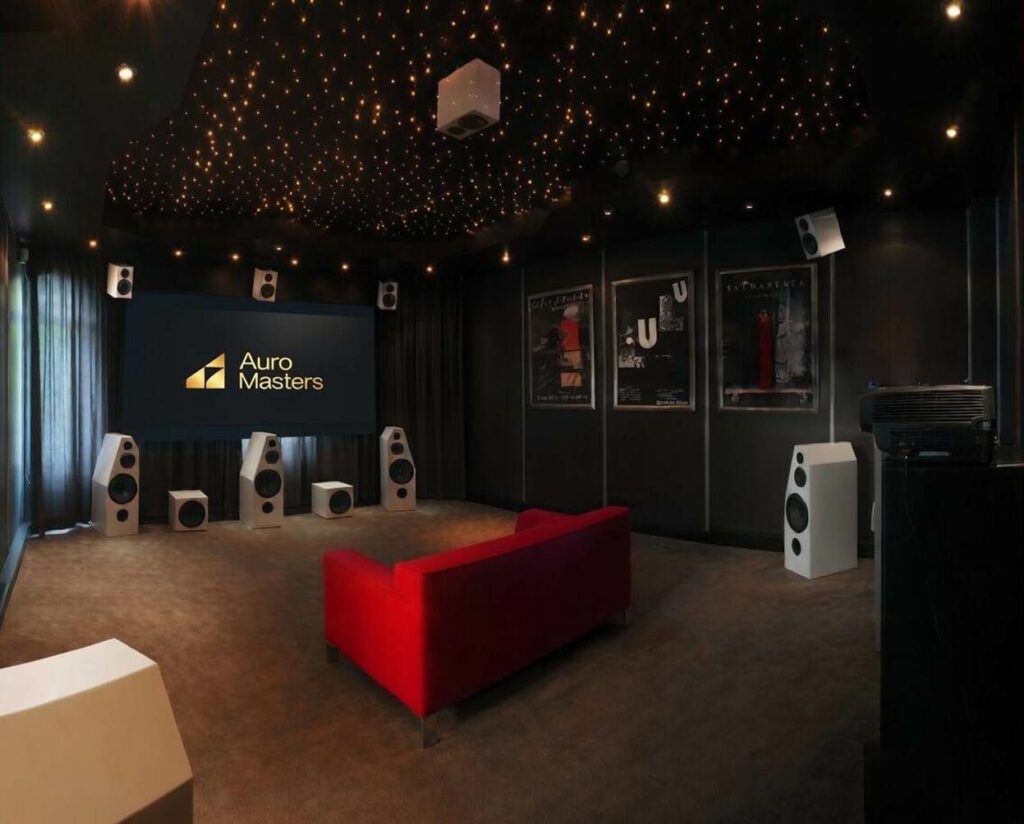
According to Van Baelen, AuroMasters is designed to address both the experiential and economic dimensions of this shift. He explains that the platform is built to bring high-resolution, studio-grade Immersive 3D Audio into everyday environments, including mobile devices, home systems, and in-car listening. To get the full 3D Audio experience over speakers, a dedicated setup is required, which is easy to install by adding a quadraphonic height layer above the existing surround system, together with an AV-Receiver, supporting Audio 3D.
This accessibility, from his perspective, is central to bringing Immersive Audio beyond professional studios and into daily listening habits. The Audio 3D system transforms each source, stereo or surround, into a full three-dimensional experience with every kind of content, from music to movies, games, and sports, potentially heightening the emotional impact for listeners.
A New Model for Creators and Listeners
Van Baelen also highlights that AuroMasters is structured around three core elements. The first is the consistent delivery of spatial audio that aims to preserve the character of the original recording environment, giving listeners a sense of how the sound was created. The second is the potential for enhanced emotional engagement, as listeners experience music in a more dimensional way rather than through a primarily directional output. The third is a usage-based economic model that aligns listening behavior with artist compensation, creating what he frames as a more direct relationship between creators and audiences.
From his perspective, this approach creates a closer connection between artists and audiences while supporting higher-quality production up to 192kHz-24bit in 3D Audio. “To reach every listener while maintaining peak audio quality relative to available bandwidth, AuroMasters has launched an app that implements Adaptive Bitrate Technology. This system can seamlessly adjust audio quality in real-time, without clicks or audible interruptions,” he says.
The Future of Sensory Media
He also explains that Immersive Music opens new creative possibilities, allowing sound to be experienced as a spatial environment rather than a flat output. Van Baelen observes that recently, many artists who encounter Auro‑3D for the first time find the experience compelling, and some are beginning to explore ways to create music with immersive formats in mind.
He frames this evolution as part of a broader cultural shift in how people engage with media. “We don’t just need more music,” Van Baelen says. “We need to feel the music again, the way it was meant to be experienced.”
In that sense, the movement toward Immersive Sound reflects more than a change in format. It suggests a return to how humans naturally interpret the world through sound, reconnecting technology with perception, and experience with emotion. Van Baelen says, “After decades of progress in sound reproduction, it’s exciting to see this additional dimension becoming more accessible. Many listeners describe it as adding a new sense of presence and emotional nuance to their experience. With AuroMasters, this type of immersive listening is now available to a wider audience, offering the potential for a richer and more engaging way to enjoy music.”