
How Electronic Music Shaped Digital Entertainment and Gaming Culture
In partnership with Admiral Casino
By Nina Parker
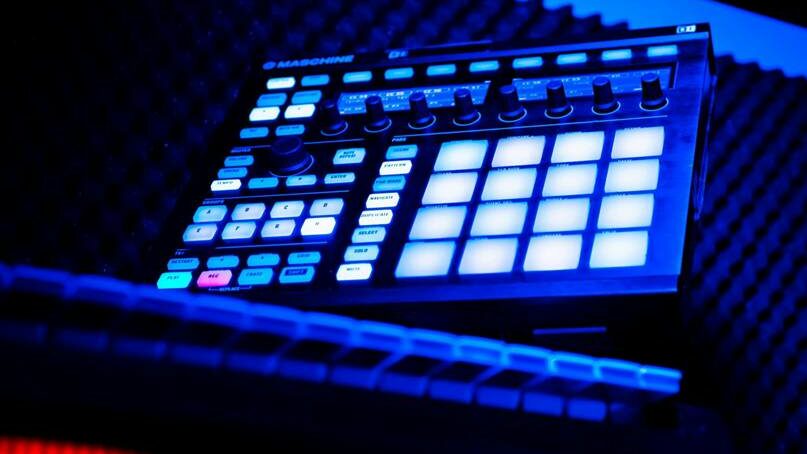
Electronic music was already imagining the sound of a technological future long before streaming platforms and interactive digital worlds became part of everyday life. Artists experimenting with synthesizers, drum machines and early digital production tools were not simply creating new genres. They were shaping the sonic identity of a world increasingly defined by screens, software and connectivity.

Genres such as synth-pop, techno and ambient music emerged alongside the development of personal computers and early video games. The futuristic textures created by electronic pioneers felt perfectly aligned with the aesthetics of digital culture well before the internet transformed how audiences consumed entertainment.
What began as an experimental musical movement would eventually influence video game soundtracks, digital design and the wider culture of interactive media.
Kraftwerk and the Rise of Electronic Music
Few artists captured the relationship between music and technology as clearly as Kraftwerk. Emerging from Germany in the early 1970s, the group approached composition with almost scientific precision, building tracks around electronic instruments and minimalist rhythms.
Albums such as The Man-Machine and Computer World explored themes of automation, digital identity and the evolving relationship between humans and machines. Decades later, these ideas feel strikingly relevant.
Kraftwerk’s sound and visual identity helped define the aesthetic language of the digital era. Their influence can be heard not only in electronic music but also in film scoring, video game sound design and the visual environments of contemporary digital media.
Electronic Music and Gaming Culture
As electronic sounds spread through underground club scenes during the 1980s and 1990s, their influence began to extend far beyond dance floors. Video game developers increasingly incorporated electronic sound design into their work, creating immersive environments that echoed the energy of contemporary club culture.
Fast rhythms, synthetic melodies and atmospheric textures became defining elements of gaming soundtracks. These musical choices helped shape how players experienced digital worlds, guiding tension, momentum and emotional intensity during gameplay.
Today, electronic production remains closely connected to gaming culture, with many titles relying on synthesised soundscapes to build atmosphere and narrative depth within interactive environments.
Daft Punk and Global Electronic Music
By the late 1990s and early 2000s, electronic music had entered mainstream culture. French duo Daft Punk played a central role in bringing electronic production into global pop while maintaining a strong connection to futuristic aesthetics.
Their work blended club rhythms with striking visual imagery, robotic identities and immersive live performances. Through music videos, stage design and digital visuals, the duo demonstrated how electronic music could function simultaneously as pop entertainment and digital art.
The visual language surrounding Daft Punk helped redefine the relationship between music, technology and modern spectacle.
Aphex Twin and Experimental Electronic Sound
While some artists pushed electronic music into mainstream popularity, others explored its more experimental possibilities. Aphex Twin became known for producing complex compositions that blurred the boundaries between music, sound design and digital experimentation.
His work frequently embraces glitch aesthetics, unconventional rhythms and abstract sonic textures that mirror the unpredictable nature of digital systems themselves. Decades after his earliest releases, his influence continues to shape contemporary electronic music culture.
His continued relevance within the live circuit, reflected in Aphex Twin’s presence in major electronic line-ups, shows how pioneering artists still play a defining role within modern electronic scenes. At the same time, the wider electronic landscape continues to revisit the legacy of influential acts from the late-1990s era, including moments such as Daft Punk’s recent public appearance that reignited interest in the duo, illustrating how the genre’s cultural impact continues to resonate across global club culture.
Electronic Music and Interactive Entertainment
As digital technologies evolved, the influence of electronic sound began to appear across a wider range of entertainment formats. Streaming platforms, video games and digital media experiences increasingly adopted the aesthetic language first explored by early electronic pioneers.
Sound, visuals and interaction now combine to create immersive digital environments where audiences actively participate rather than simply observe. From multiplayer gaming communities to live streaming platforms, entertainment increasingly invites users into interactive worlds.
Within this broader ecosystem, interactive platforms now sit alongside music streaming and gaming as central elements of modern leisure culture. Services such as Admiral Casino illustrate how traditional forms of play have evolved into fully digital experiences shaped by the same technological environments that transformed gaming and media.
Electronic Music in Modern Digital Culture
Electronic music has always represented more than a genre. From its earliest experiments with synthesizers and drum machines, it embodied a creative dialogue between humans and technology.
That dialogue continues to shape the cultural landscape of the digital era. Whether through video games, streaming media or interactive online platforms, the sonic and visual language developed by electronic pioneers remains deeply embedded in how audiences experience modern entertainment.
What began with a handful of experimental artists and analogue machines has evolved into a defining cultural force. Long before digital culture became mainstream, electronic music had already imagined the world we now inhabit.