
The Art and Science of Making Scent Visible
In partnership with Studio Siddhartha Kunti (SSK)
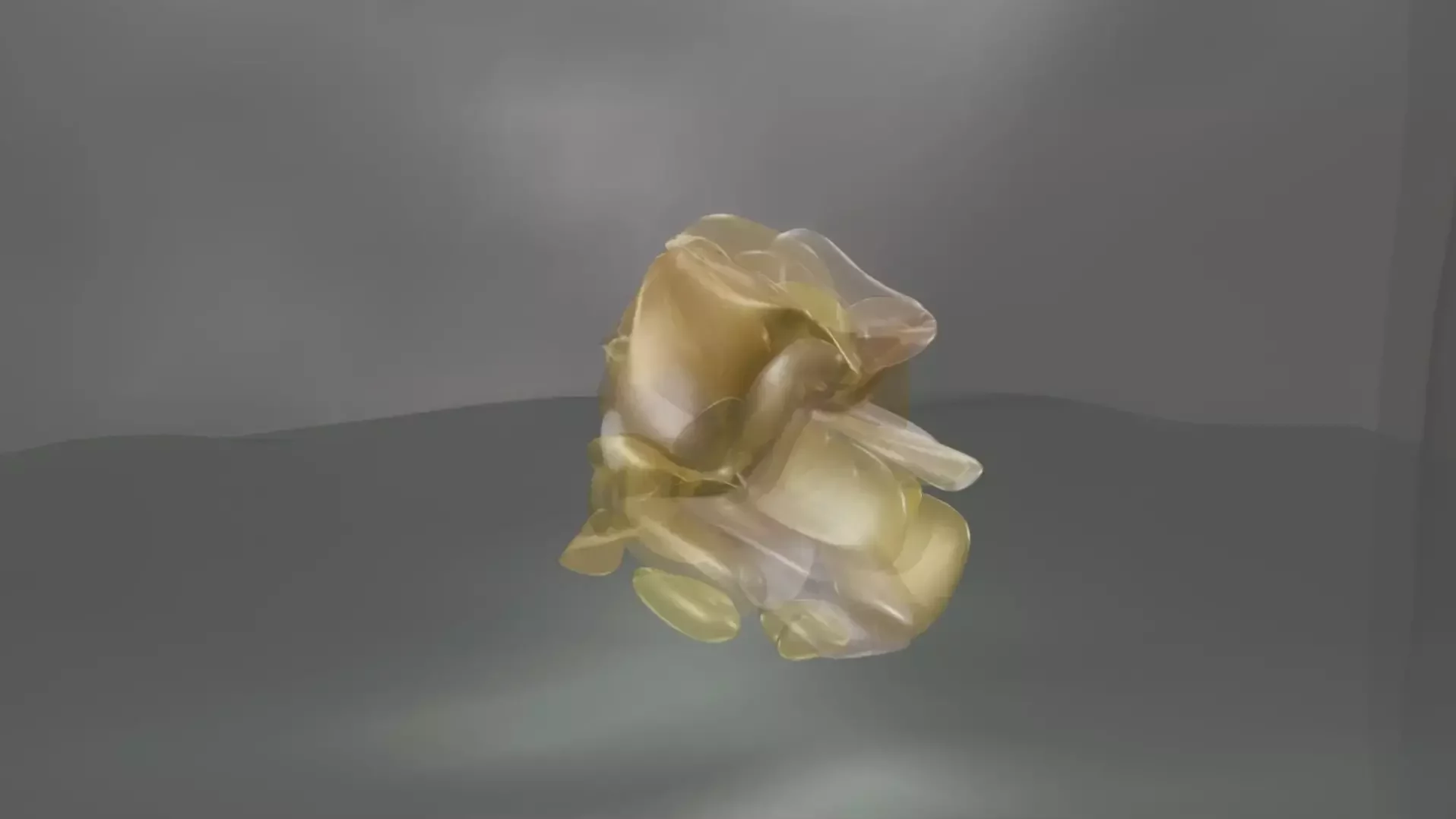
What if you could somehow see smell? While society has learned to convert images into pixels, sounds into code and touch into haptic feedback, one human sense has always eluded digital translation: smell. Artist and entrepreneur Siddhartha Kunti is changing that by translating the molecular structure of fragrance into digital artworks that visualize what the nose normally experiences but the eye never sees.
For decades, smell remained one of the more complex senses to understand. This is because there are thousands of molecules resulting in millions of different aromatic combinations and humans perceive most of these in a different way based on their individual physiology (a human has approximately 400 olfactory receptors) and surroundings. Today, companies like Google are further decoding this human sense to create new scientific breakthroughs and global brands such as Samsung and Singapore Airlines use scent to enhance the brand experience.
On the cultural side, change is also happening. Olfactive art pioneers such as Sissel Tolaas and Anicka Yi have long worked with scent as a medium and museums are increasingly incorporating it into exhibitions to create immersive experiences—like the V&A’s Marie Antoinette—that resonate with younger audiences. Kunti goes one step further by combining olfaction with digital art to show people something they normally can’t see: an aroma or scent.
From Molecules to Art
His method pairs scientific exploration with data-led visualization, capturing the molecular and chemical components of scent to translate them into digital sculptures that mimic smell’s hidden architecture and complexity.
A first project he did, centered on whisky, involved analyzing over 800 spirits and generating more than 65,000 lines of molecular data, which he describes as one of the most extensive GC-MS studies to date in this domain. Captivated by its complex aromas and cultural significance, Kunti investigated how the diversity of aroma in hundreds of whiskies could be decoded and somehow shown in a non-scientific way. The work transformed whisky’s essence into immersive digital art, each piece uniquely derived from a molecular fingerprint. Viewers at the Saatchi gallery, where he debuted in 2025, didn’t just see colors and movement; they watched the data of scent unfold dynamically before them while also smelling specific molecules on nanotechnology cards. Kunti developed the latter with Sissel Tolaas.
This intersection of chemistry and computation reflects a broader trend of where art and technology create new narratives.While technology is often associated with speed and constant acceleration, Kunti recently told digital art journalist Anna Seaman that his work is “slow-moving” by design—an invitation for viewers to pause and consider the invisible data surrounding them.
A Cultural Archive with Impact?
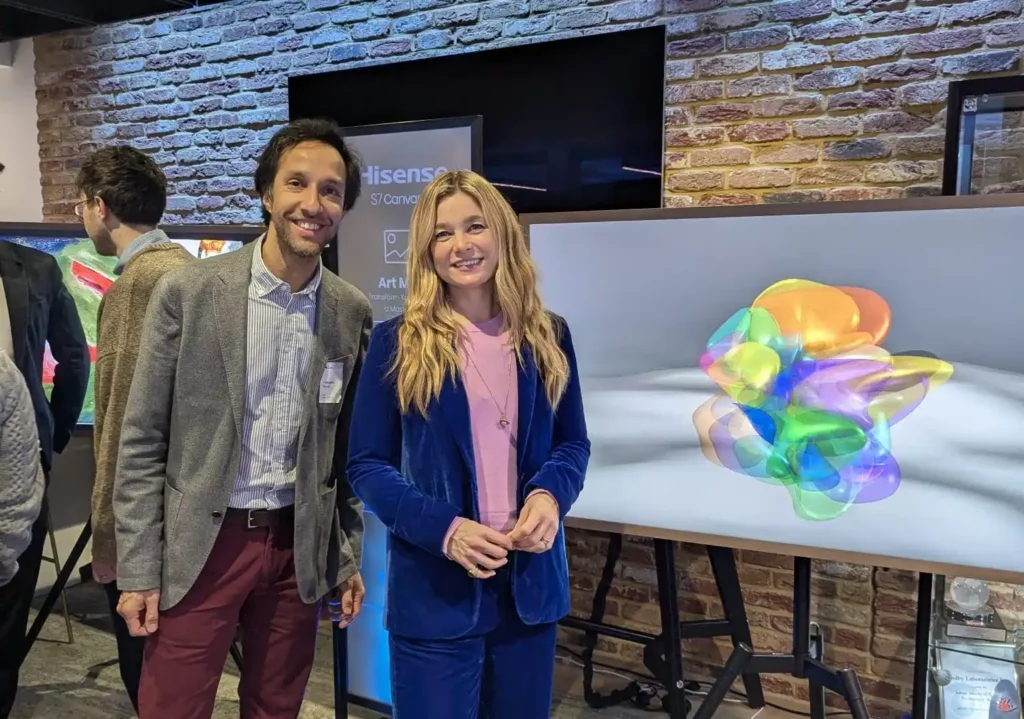
As digital art evolves into the mainstream—Art Basel launched its Zero-10 showcase at Art Basel Miami Beach end of 2025—it seems logical that it will also become more multisensory. Yet it’s uncertain how much positive impact digital art in general will have on society. AI is already flooding social platforms like Instagram and LinkedIn with content and people are getting fed up with ‘AI slop.’ The NFT boom and bust cycle further complicates digital art’s status, as many people associate the two, leaving the broader category tainted by the speculation and collapse that followed.
Evaluating Kunti’s work around scent is more nuanced as it’s not only strongly connected to human emotions, scent also is part of every society’s fabric. For Art Dubai Digital 2026 (curated by Ulrich Schrauth and Nadine Khalil) he is working on a special edition about Oud, a precious oil derived from the Aqcuilaria tree, the region’s prized fragrance with a history of more than 2,000 years. From this angle, his type of work is actually less about art for art’s sake and more about preserving cultural heritage that might otherwise vanish.