
The Ultimate Croatian Summer: Guide to Wine, Dine & Discover
In partnership with PrimePressQ
By Grace Butler
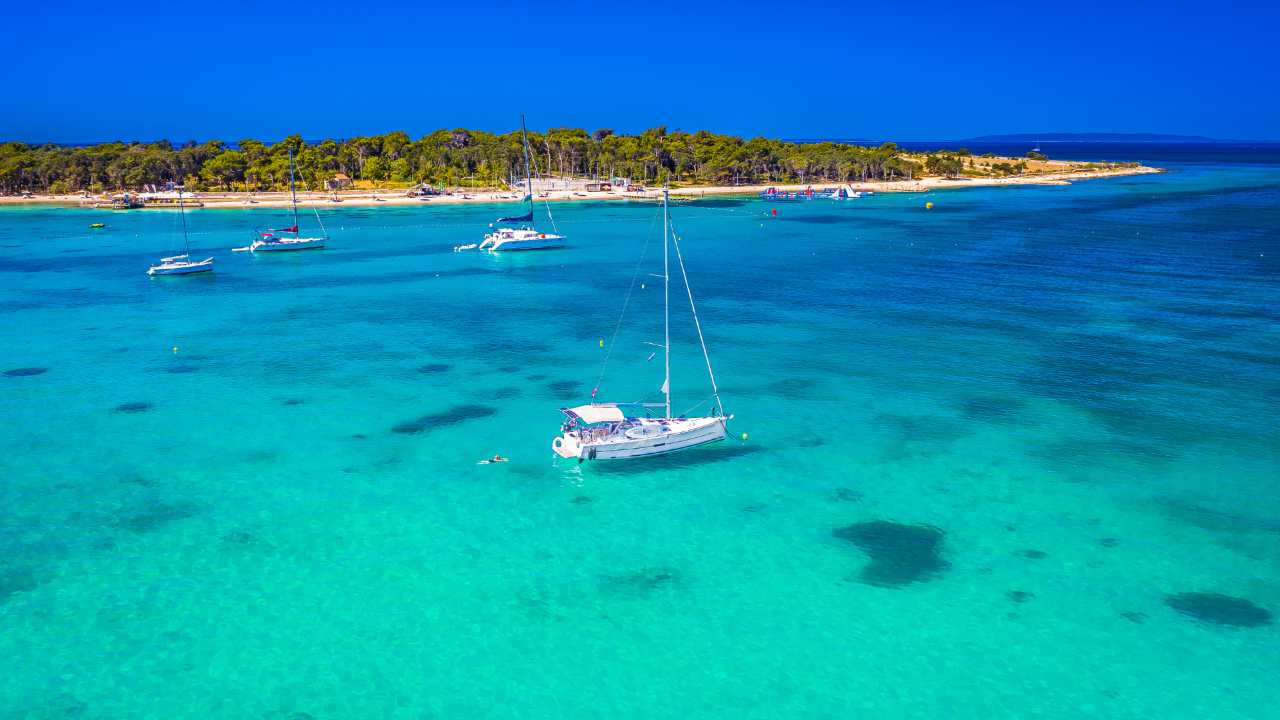
There is no single postcard that holds all of Croatia. The coast has been making headlines summer after summer. Islands are a joy to explore. A summer here is measured in verbs as much as views: to wine, dine, drink, and discover your way from northern Croatia down to the far south and in between. For a country of this size, the variety it offers is the reason many visitors return each summer. A wine culture built on grapes that grow nowhere else. Truffle forests that kitchens across Europe have quietly sourced from for years. It all belongs to the same trip. This is the hedonist’s Croatia, the one that rewards curiosity and appetite. Here is where to begin.
Wander the Baroque Streets of Varaždin at Špancirfest
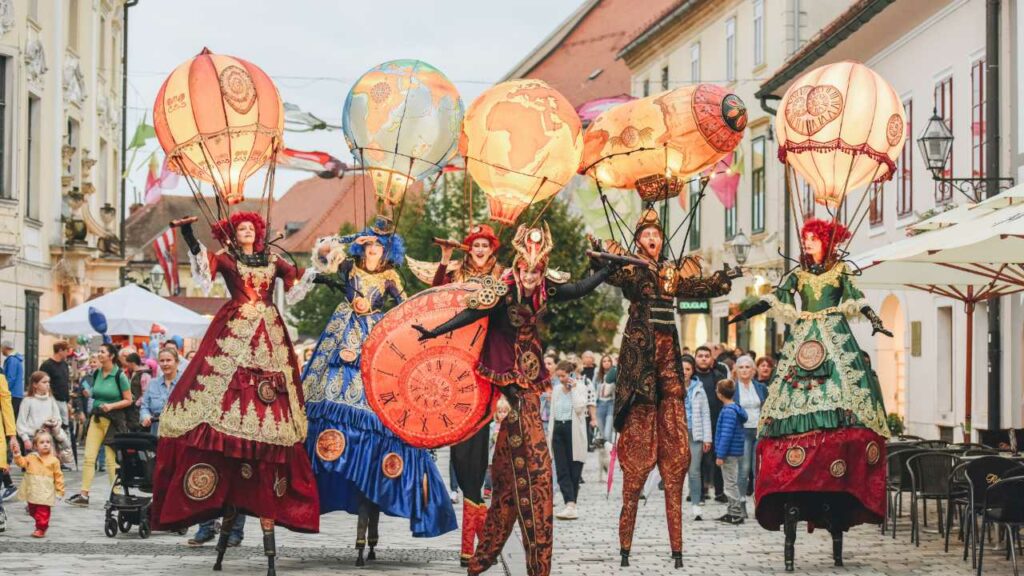
The coast pulls the crowds, but Varaždin in northern Croatia gives a reason to start inland. An hour from Zagreb, it spent a stretch of the 18th century as Croatia’s capital with a compact centre of pastel facades and courtyards. And for ten days at the end of August, those same streets are the scene of Špancirfest. The name comes from an old word for strolling, and that sums up the plan: you wander, and the programme finds you. The programme is built for everyone: concerts, theatre and street performers working the squares, a wine town and food from around the world, and enough workshops to fill a family’s whole day. What began in 1999 as a three-day event is now Croatia’s largest street festival, bringing over 300,000 people across a pedestrian old town. For a city built on craft and artisanship, the summer puts all of it on display.
Go Truffle Hunting in Istria with Zigante Truffles
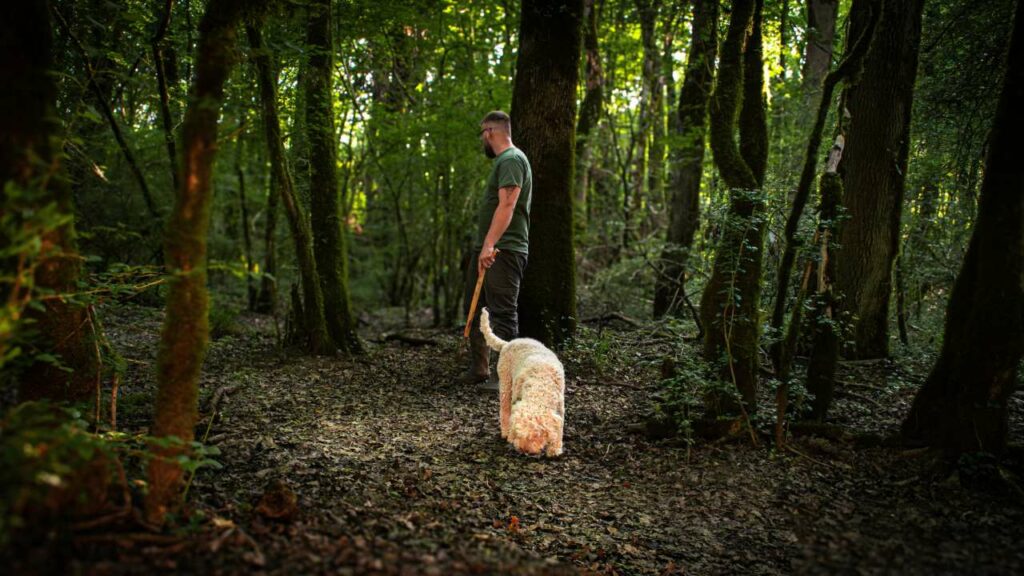
Getting to central Istria’s village of Livade, below the cinematic hilltop town of Motovun, visitors can experience a culinary mystery many have only ever seen on screen: truffle hunting.
Led by the experts at Zigante Tartufi, it combines heritage, nature, and gastronomy. It begins in the forest with a unique microclimate for producing both white and black truffles in above-average quantities. Accompanied by trained truffle hounds, guests track the scent through the earth, feeling the suspense until the first truffle is unearthed. For many, it is the first time seeing how a luxury delicacy they usually enjoy, shaved over handmade pasta, is actually found. Once the woodland hunt concludes, the experience continues at Zigante Tartufi’s tasting centre and restaurant in Livade, where fresh truffles take centre stage in dishes that showcase one of Istria’s most prized ingredients.
Among Croatia’s many food and nature experiences, this is the one that should secure a place on your itinerary.
Find Two Sides of the Adriatic in Novalja
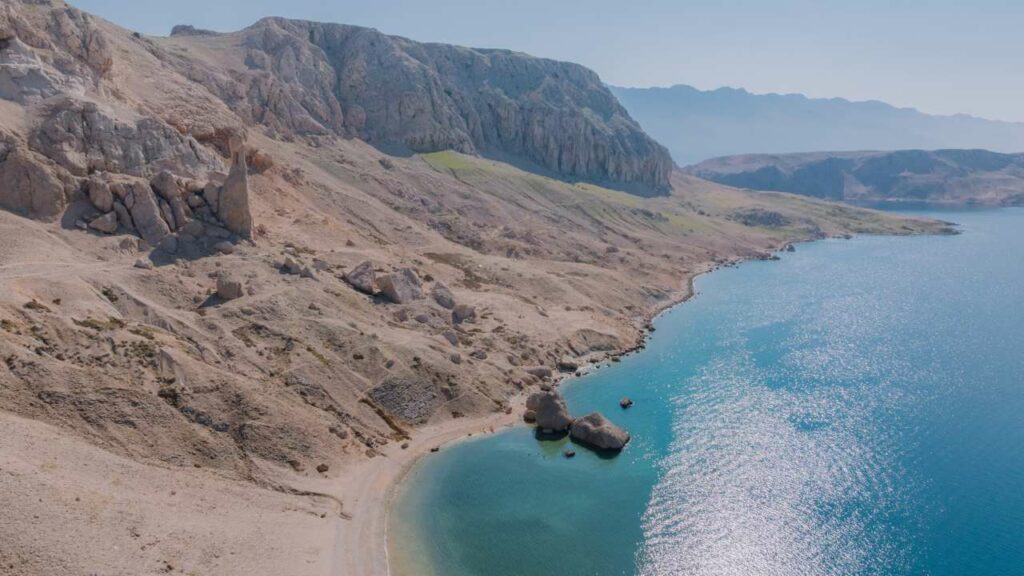
Moving further to the coast, on the Island of Pag, Novalja is two places at once, and most people only ever hear about the loud one: Zrće, the beach hosting clubs and festivals all summer. It has earned that reputation, and it delivers on it. What often gets missed is everything around it.
At Metajna, the ground turns to pale, cracked rock that looks otherworldly, which is how the Life on Mars trail race got its name. The coastline hides coves like Beritnica and Ručica, where the water is about as clear as the Adriatic gets, while Caska, built over a sunken Roman settlement, pairs a quiet swim with watersports above the ruins. The food is worth the trip too: Pag cheese, lamb, and wine from Novaljsko polje, celebrated each spring at MarsOvca, a festival built around the island’s famous sheep.
For one small town, there is a lot more to Novalja than its reputation suggests.
Hear the Adriatic Play in Zadar
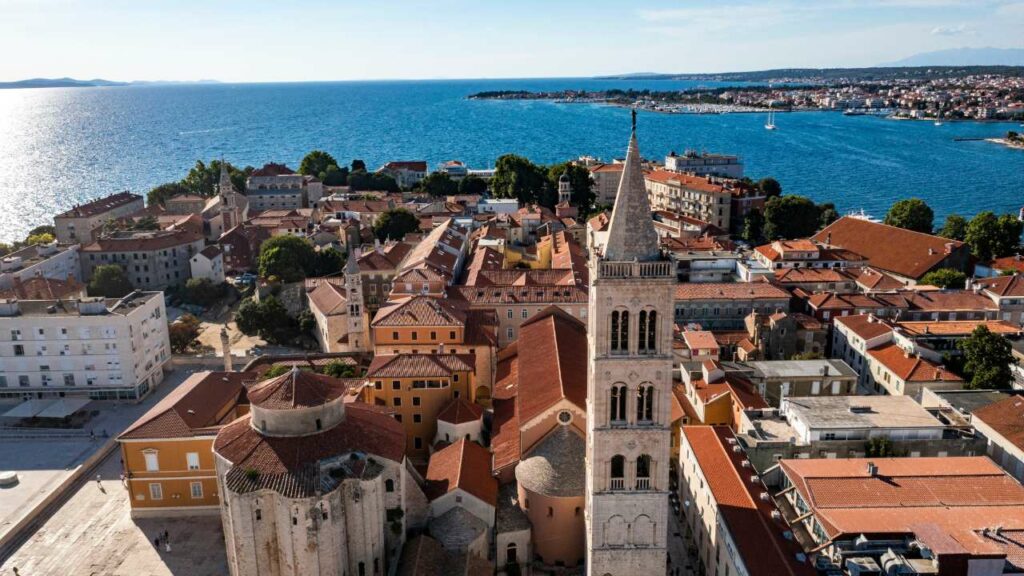
A 90-minute drive south, set on a peninsula where every era left its mark, Zadar fits three thousand years of history into a city that still hasn’t lost the habit of taking its time.
That unhurried pace has a name here, fjaka, and it works less like laziness than like a rhythm the whole city runs on. Inside those ten minutes sit a Roman forum, the pre-Romanesque Church of St. Donatus, and Venetian walls protected by UNESCO. The restaurants pour Dalmatian wine and prepare locally sourced tuna, while the waterfront stairs fill up at sunset. They hold the city’s signature: architect Nikola Bašić ran pipes beneath the marble steps and let the sea play them. The Sea Organ has no off switch, and no two performances sound the same. Hitchcock thought the sunset above it beat anywhere else.
Perfect as a starting point for island hopping, Zadar is a city that gives more the longer you stay.
Experience Island of Hvar’s Hidden Luxuries
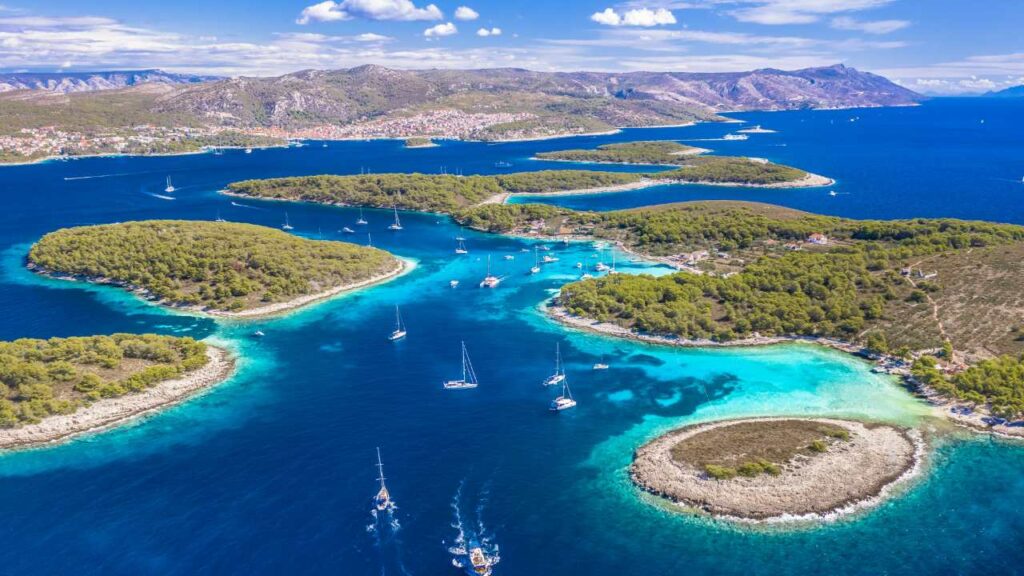
A ferry ride away stands Island of Hvar. It has long been visitors’ answer to authentic Dalmatian luxury, and the island’s best-kept side isn’t found on land. It’s on the water.
The Pakleni Islands, a scatter of islets and hidden coves, are where privacy becomes the ultimate currency. Anchoring near Zaraće or Ždrilca means a stretch of turquoise sea entirely to yourself– no crowds, just the boat and the island. For those who want to step ashore, Palmižana’s upscale beach clubs are where premium service and surrounding nature set the scene. It’s an archipelago built for drifting between solitude and indulgence, as the mood demands.
Back in Hvar Town by evening, dinner means the local konobas. The morning’s catch, olive oil from local groves, dishes that read as heritage rather than nutrition. It’s why Hvar holds onto its reputation as an island of hidden luxuries: some places you simply have to see for yourself to understand.
Drink Croatia’s North and South at Saints Hills Winery
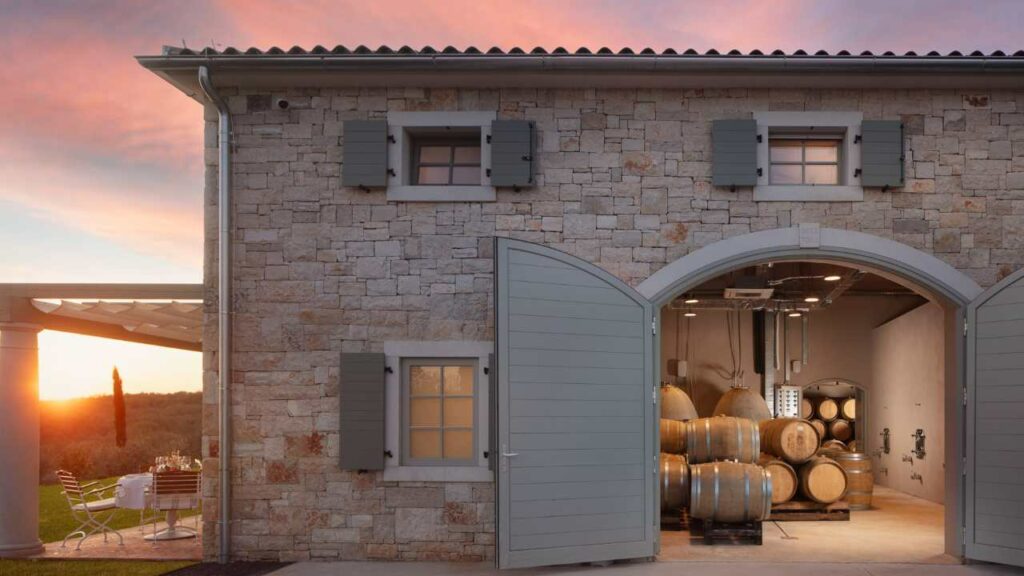
From the Pelješac Peninsula to the Istria in the north, Saints Hills winery continues the long-standing Croatian tradition of premium wine-making. That duality of terroir is what sets it apart: one winery working two coastlines. The result, three indigenous varietals: Plavac Mali, a Dalmatia-characteristic red, Pošip, a Korčula-native white, and Malvazija Istarska, a dry white from the hillsides of western Istria. Those same hillsides have proven to be a perfect terroir for international whites too, such as Chardonnay or Semillon. A tasting in Višnjan is a chance to experience this. A journey through Croatia in a glass: two coastlines, two climates, with nothing in common except the people making them. Stay overnight among the vines and fully immerse yourself in local cuisine at the winery’s restaurants.
The wines may travel the world on the tables of acclaimed restaurants, but it is here, among the vineyards, that their origins are best understood.
Taste Four Decades of Dalmatian Cooking at Bota Šare
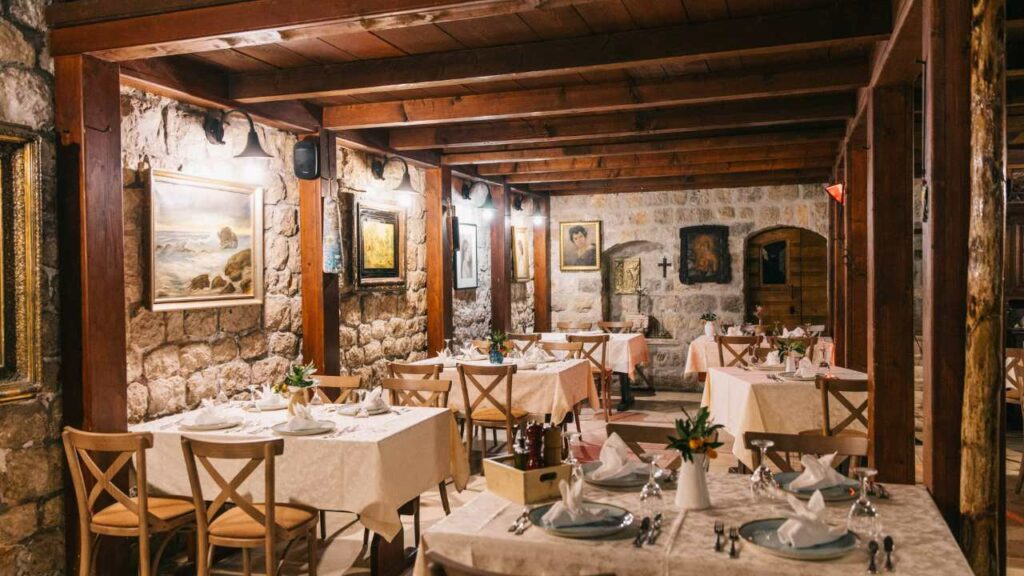
In southern Croatia and beyond, Bota Šare is one of the names locals trust for true Dalmatian cooking. It began in the 1980s in Mali Ston, a small town near Dubrovnik, in a historic 14th-century stone building and salt storage where they opened their first restaurant. In the monumental building, the Šare family found two handwritten cookbooks from the Dubrovnik Republic era and revived the recipes into their menu.
That is still the foundation: authentic Dalmatian cuisine, fresh Adriatic fish, and the family’s own Mali Ston oysters, the protected European flat oyster prized across Europe. All four restaurants remain in the family, led by the six Šare children, from the original in Mali Ston to Dubrovnik, where the eldest son gave the same ingredients a Japanese spin and opened their first Oyster & Sushi Bar, and on to Split and Zagreb.
Four decades on, a meal at Bota Šare remains one of the Dalmatian coast’s true gastronomic benchmarks.
Settle Into a Private Canopy at Dubrovnik’s Coral Beach Club
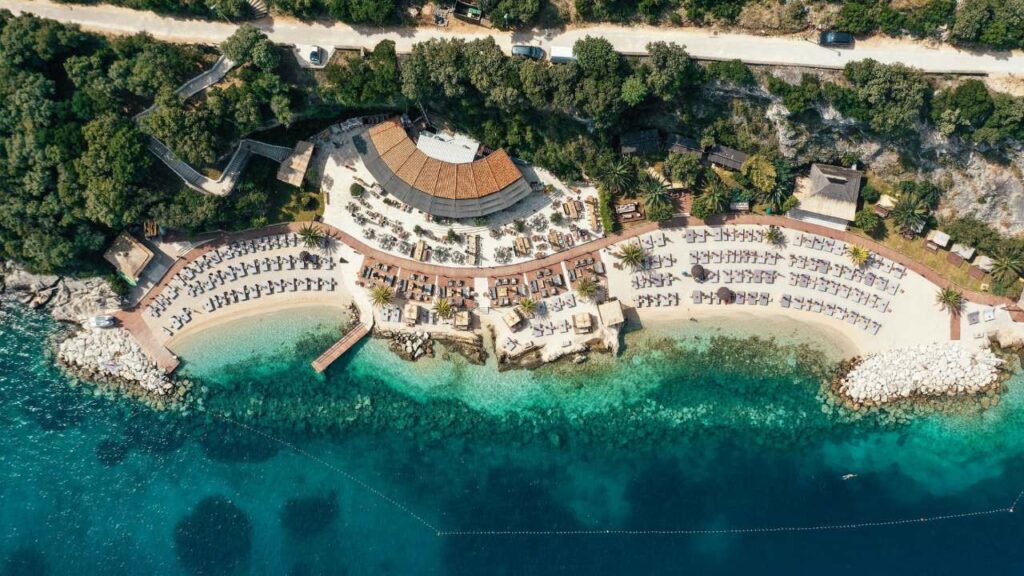
Nearby, on Dubrovnik’s Babin Kuk peninsula, Coral Beach Club offers more than a day by the sea—it complements the experience of Dubrovnik, one of the world’s most celebrated UNESCO cities.
Set between the greenery and the sea so clean it was awarded a Blue Flag, Coral brings over 15 years of experience distilled into a one-of-a-kind offering. Fresh, local cuisine of authentic Mediterranean flavours, handcrafted cocktails, a relaxation zone set back from the noise for a massage when the day runs long. The experience is rounded by the resident DJ who curates the soundtrack following the rhythm and mood of the guests, from relaxing afternoons to long after the golden hour has passed. Coral is a Croatian coastal destination shaped by its setting, the local culture, and the way it treats the people who come.
On a coast with no shortage of entertainment, Coral Beach Club stands as a spot worth adding to your Dubrovnik itinerary.
Wear the Croatian Summer on Your Wrist with Borboleta

Spend a week on the Croatian coast and you’ll notice something: a fine thread bracelet around someone’s wrist, finished with a tiny silver or gold charm. Ask where it’s from, and the answer is usually the same. Borboleta.
Founded in 2012, the Croatian brand became a part of the summer aesthetic among the locals and internationally. The bracelets are intentionally minimal: light enough you forget you’re wearing them, tough enough to survive summer activities, long lunches by the sea, and late nights that run to sunrise. Each charm carries its own meaning, from hearts and stars to lucky clovers, with some tied to a place, like Dubrovnik’s Rozeta. They are made to be collected until the stack becomes a record of where you have been.
That is what makes it the easiest souvenir to bring home; unlike the magnets that sit on your fridge, Borboleta is a memory you’ll wear daily.
See Croatia from the Water with Yachting Place
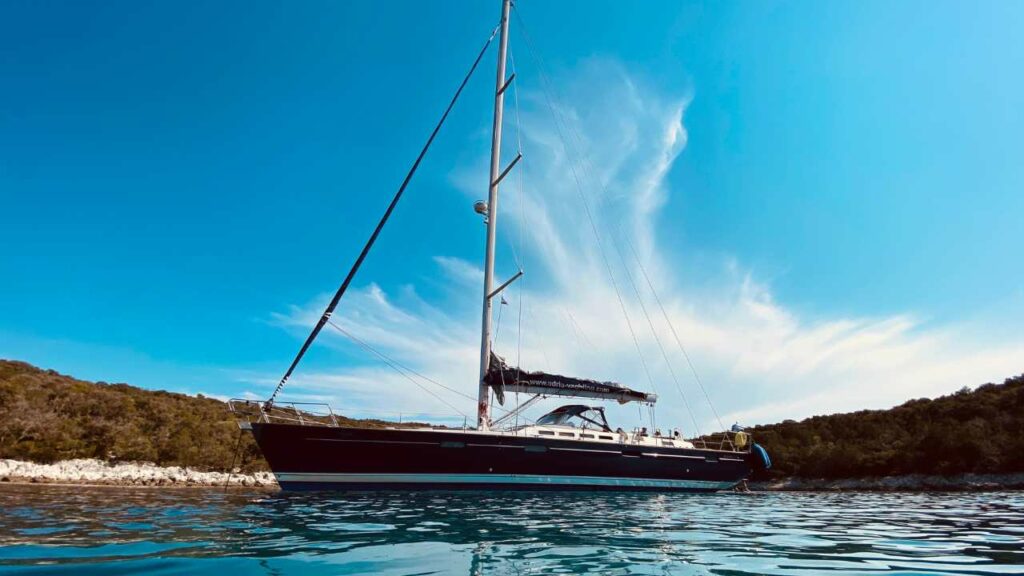
Wherever the journey brings you, the best way to see the Croatian coast is from the water, on your own terms.
Yachting Place & Event Place 365 is a Croatian charter and event company that has spent over a decade crafting tailor-made experiences along the Adriatic. Sail bareboat if you can handle the helm, opt for skippered and fully crewed if you’d rather trade the charts and the galley for a sundowner on deck, or let the team design a personalized tour.
Starting points are plenty. From the Marina Punat on the beautiful island of Krk, where Yachting Place’s own charter fleet awaits, to a wide selection of yachts available across the entire Adriatic. From there, the whole coast opens up: green Lošinj, the wild Kornati archipelago, vibrant Split, the lavender fields of Hvar, and the golden walls of Dubrovnik.
Every journey is designed around you. The Adriatic does the rest.
Fit a Whole Croatian Summer Into One Trip
Croatia is a country so diverse it’s difficult to believe this guide can be done in one vacation. The quest itself is not challenging, and what it asks of a visitor is appetite: for the long lunch that runs into the afternoon, the late crossing to an island, the town you had not planned to stop in. Distances are short here, and the shifts come quickly, an inland festival one day and a boat off Hvar the next, a morning in a truffle forest and an evening over Mali Ston oysters. That pace is what lets a single trip hold this much, and it is also what makes the trip feel too short by the end of it. Many leave thinking about the next time they might visit, and those who return realize that planning for a longer vacation was a good choice.