
True Movement and the Case for Training That Respects the Body
In partnership with True Movement
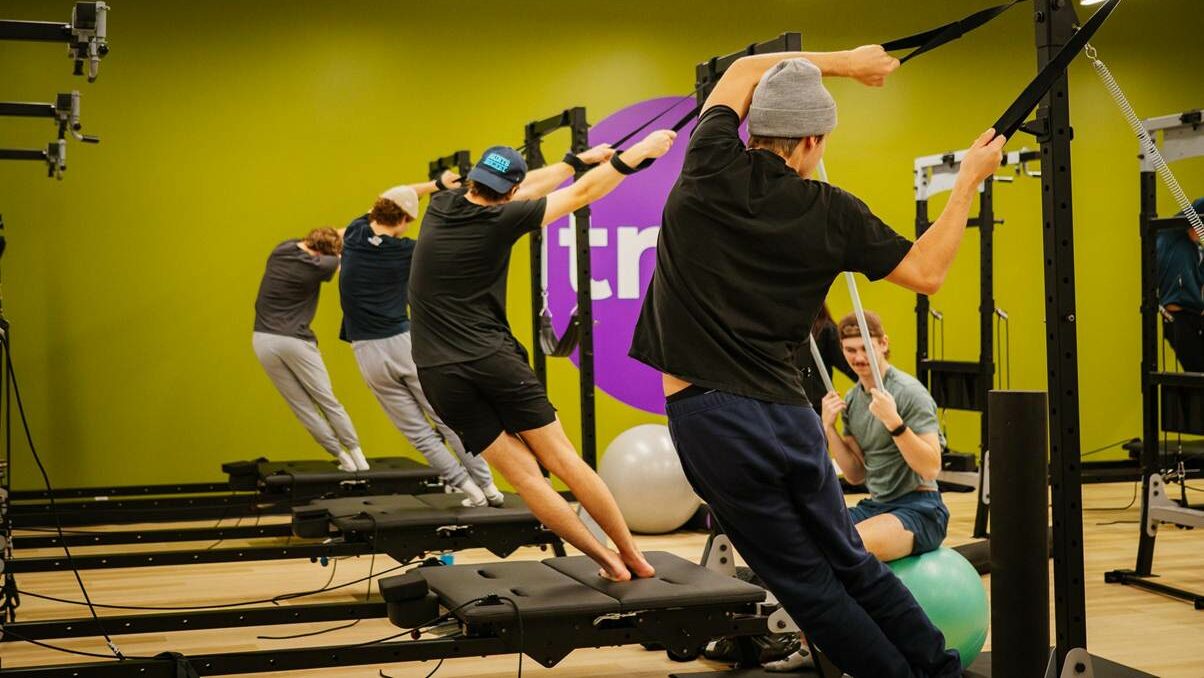
A recalibration has taken place inside the strength rooms of professional sports teams and wellness franchise environments. Programs focused solely on strength exposed a gap in training design, overlooking movement quality, adaptability, and long-term development. True Movement entered this space as a Canadian-based organization focused on how the body moves through space rather than how much load it tolerates. Training occurs through franchises and private team settings by choice. That structure allows the organization to manage quality, consistency, and outcomes without relying on open gym floors or clinical facilities.
True Movement® presents itself without slogans or spectacle. Its material points to a single idea. Human motion works best when joints, breath, and timing cooperate across multiple planes. Training breaks down once those relationships get ignored. Clients arrive with tight hips or backs, unstable shoulders, or persistent pain. Sessions focus on restoring capacity through controlled patterns, measured loading, and clear intent. The company says outcomes may include improved durability, smoother movement, and, in some cases, longer athletic longevity rather than dramatic short-term gains.
Coaches seek systems that support overall health, mobility, and performance without exhausting players across long seasons. True Movement’s focus on three-dimensional motion and training that respects recovery placed it into those discussions.
Training Built on How Bodies Actually Move
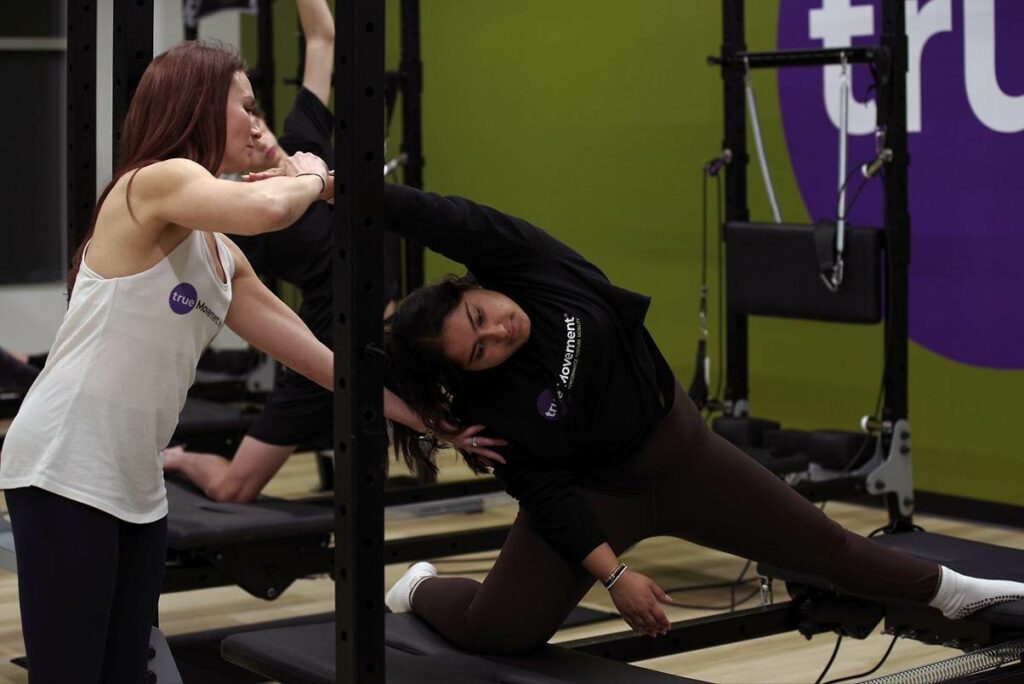
Founder Erin Baker built the True Movement system after years inside conventional strength settings. Standard routines rewarded linear lifts and repetitive drills. Bodies responded with compensation and wear. The organization’s training model answers that problem through rotation, shifting load, and coordinated movement sequences. Joints receive stress from varied directions rather than a single track. Muscles learn to support motion rather than dominate it.
Sessions rarely chase exhaustion. Movement quality remains the guiding measure. Clients slow down. Coaches cue breath and alignment. Load increases once control holds steady. That structure appeals to athletes managing long seasons, parents training around work schedules, and older clients rebuilding confidence after injury. Training adapts to the person rather than forcing the person to adapt to the program.
According to the company, True Movement draws from biomechanics and rehabilitation science rather than trends. Emphasis stays grounded. The body functions as a linked system. When hips stall, knees suffer. When shoulders lack rotation, elbows follow. According to the company, the training approach is designed to address movement patterns at their source, which may contribute to reduced discomfort over time and gradual strength development. Pain often recedes as function returns. Strength follows stability rather than preceding it.
Lives Changed Through Capacity and Confidence
According to the company, client testimonials often describe a similar progression: initial limitations due to pain, followed by periods of reduced performance and frustration. The company reports that, after several weeks in the True Movement system, some clients experienced increased capacity, smoother movement, and a return to more consistent training. These accounts tend to emphasize longer-term sustainability rather than rapid gains, with some individuals noting they were able to train more consistently, compete more frequently, or carry out daily activities with fewer limitations.
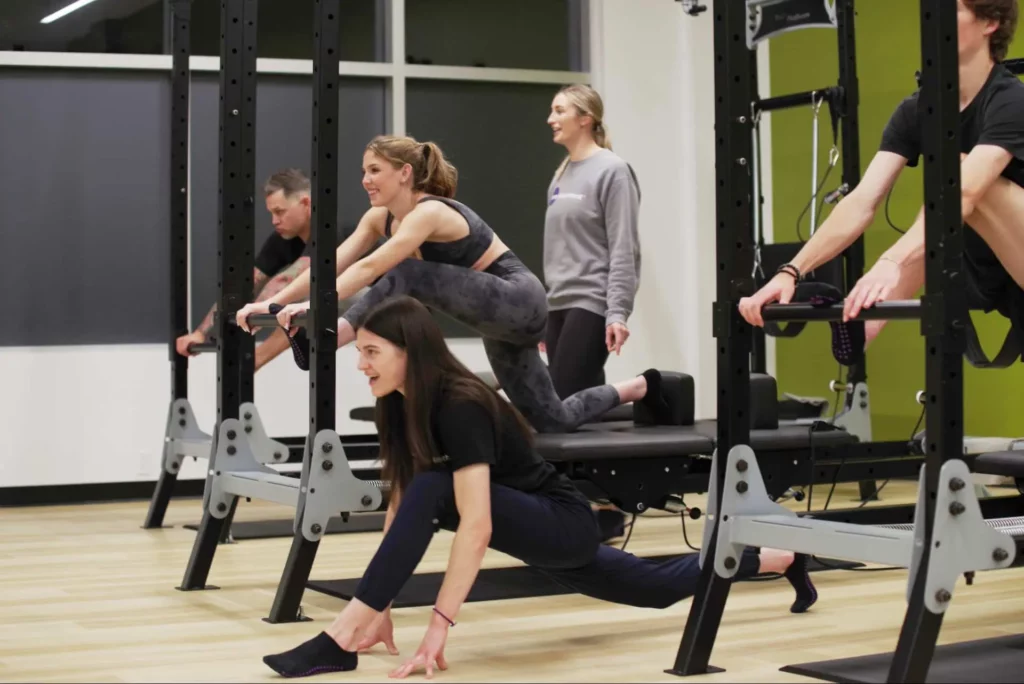 Photo Courtesy of True Movement
International clients will soon access education and training through a consumer-based app scheduled for release in late spring.. The ripple effect moves through professional networks and word of mouth rather than mass marketing.
Training aims to support bodies over years rather than cycles. That restraint resonates inside an industry saturated with quick fixes. Athletes trust systems that respect recovery. Older clients value programs that restore confidence without fear. Coaches appreciate methods rooted in anatomy rather than trends.
Where Movement, Longevity, and Performance Intersect
Growth followed demand rather than campaigns. Word traveled through locker rooms, coaching circles, and clients’ social lives. Teams explored the method once player availability improved. Individual clients stayed because the company reports that some participants experienced reduced pain and improvements in movement following sessions, and delivered a positive experience from the start. Education and coaching reach expanded while attention stayed on movement basics.
True Movement’s contribution rests in its refusal to separate performance from health. Training serves both. The company explains that the method focuses on progressive loading and varied movement, which may help improve movement patterns over time and support strength development alongside stability.
The system continues to draw attention from professionals seeking training that respects the body’s design. That interest reflects a wider reckoning across sport and fitness. Longevity matters. Availability matters. Movement quality matters. True Movement built its work around those truths long before they regained popularity.