
Under The Piano: Craig Addy’s Intimate Concerts and the Art of Improvised Emotional Storytelling
In partnership with APG
By Nia Bowers

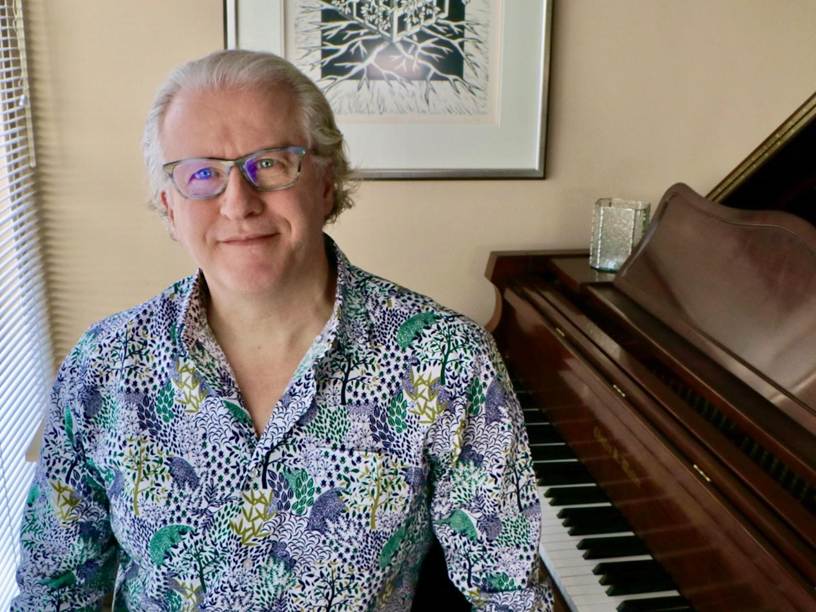
Craig Addy, founder of Under The Piano, has devoted his creative life to immersive, deeply personalized musical experiences. His style, self characterized as spontaneously composed New Age classical, extends beyond familiar genre labels. The music carries a classical sensibility and spaciousness, yet a defining quality is its emotional specificity. Each piece is inspired by the stories and inner landscapes of the people he plays for, unfolding as a spontaneous musical portrait that reflects their lived experience in sound.
Music as Emotional Translation
Addy’s body of work reflects years of consistent creative practice, with numerous recorded improvisations created in direct response to individual sessions and concerts. Each recording stands as a distinct imprint of a moment shared between artist and listener. “I’m listening for the emotional currents beneath the words when someone trusts me with their story,” Addy says. “Music becomes a way of honoring that current and allowing it to move.”
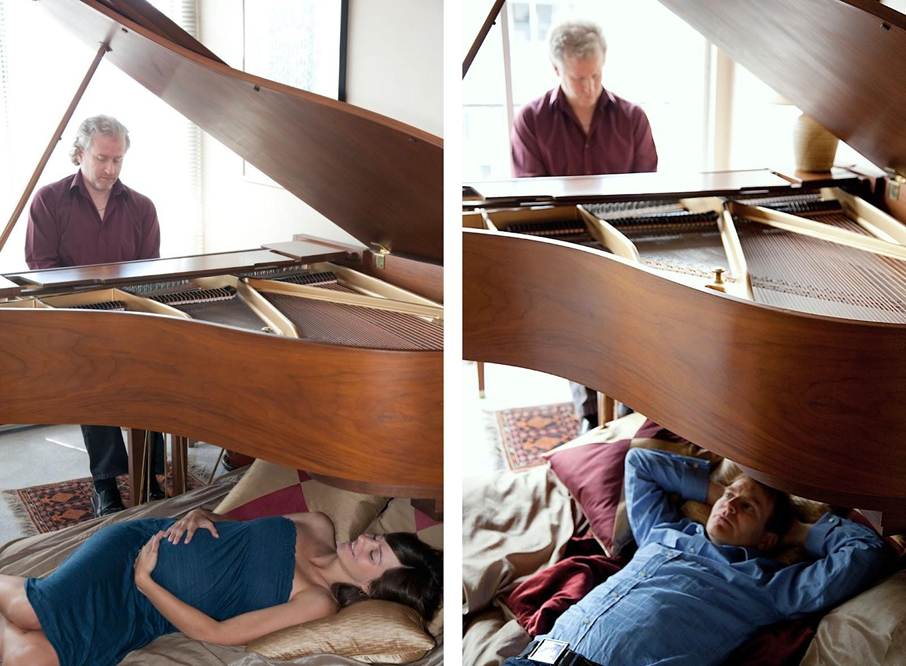
This philosophy shapes Under The Piano in both its private sessions and its evolving concert format. In his Vancouver studio, Addy invites participants to share their stories, and then they recline beneath a grand piano. From there, Addy begins to compose in real time, letting melody, harmony, and rhythm form around the emotional tone in the room. The resonance of the instrument becomes part of the experience, turning sound into something that can be felt as well as heard.
As interest grows in how music can support emotional awareness, Addy sees his work fitting naturally into that wider conversation. Research on music-based interventions suggests that musical experiences can enhance emotional resilience and contribute to overall well-being. While Under The Piano is not positioned as clinical therapy, Addy notes that these findings help explain why participants often describe their sessions as clarifying and restorative. For him, the piano is a responsive instrument that meets people where they are and gives their inner world a voice.
Intimate Concerts, Shared Stories
Beyond one-on-one sessions, Addy has developed intimate concerts offered both virtually and in person. For instance, families can gather online from different locations and take turns telling personal stories. After each story, Addy composes a spontaneous piece that reflects its emotional tone. Even through a digital format, participants may experience a sense of closeness that extends beyond the music itself.
In-person concerts range from small studio gatherings to larger venues hosting several dozen guests. The structure remains rooted in storytelling. Addy shares, “People share stories, and I turn those stories into music. What still surprises me is how naturally people open up. Storytelling dissolves barriers. Someone shares a story and lies under the piano, and then someone else, often someone they’ve never met, joins them because the story resonates. Two strangers lying under a piano, sharing a moment of emotional recognition, isn’t something you plan, but it keeps happening.”
Research offers insight into this dynamic. A study notes that experiencing similar emotions with other individuals may reinforce social bonds. Addy has observed similar effects. “When one person speaks honestly, others often recognize themselves in the story. At Under The Piano, the music becomes a shared language for that recognition,” he says.
Mapping the Emotional Landscape
For larger gatherings, Addy incorporates anonymous digital polling to map the room’s emotional atmosphere. Participants respond to prompts on their phones, selecting feelings that resonate with their recent experience. The aggregated results appear instantly, revealing a collective emotional landscape.
He then composes a piece inspired by the most prominent responses. In one concert, contrasting emotions rose to the surface, prompting reflection on the complexity of emotions people carry simultaneously. The anonymity of the process encourages openness, while the shared visibility fosters understanding. Addy says, “Seeing the emotional map helps people realize they’re part of something larger. The music gives that shared awareness a voice.”
Following the group composition, individuals may step forward to share personal stories, lying under the piano as Addy translates their experiences into sound. A typical evening weaves together several polls and multiple individual portraits, creating a cohesive and reflective arc.
Expanding Into Team Experiences
Addy notes that this format has sparked interest in corporate team-building contexts. He is now exploring collaborations with organizations to design tailored prompts that reflect workplace themes and values. Addy suggests that anonymous participation may help reduce pressure, inviting employees to express perspectives that may remain unspoken in daily routines.
According to Harvard Business Review, psychological safety contributes to stronger collaboration and innovation within teams. Addy’s concert model aligns with that principle by encouraging emotional literacy alongside creative expression. He states, “I believe teams can function better if they feel acknowledged as human beings, and music can memorably support that acknowledgement.”
Immersion as a Future Vision
Alongside corporate offerings, Addy is developing VIP half-day experiences that combine intimate concerts with curated elements such as fine dining and wellness modalities. These gatherings aim to create a layered environment where sensory experience, reflection, and artistry converge. The intention is to design immersive occasions that feel thoughtful and refined while remaining centered on personal narrative.
Under The Piano also continues to welcome individuals navigating life transitions, couples seeking meaningful shared experiences, and expectant parents interested in prenatal bonding. Throughout these varied formats, Addy maintains a consistent approach of attentive listening followed by spontaneous composition.
As Under The Piano evolves through concerts, corporate sessions, and immersive collaborations, the central idea remains simple. Addy remarks, “A story is shared. A piano responds. In that exchange, sound becomes a mirror that reflects the complexity and beauty of human experience.”
This article is for informational purposes only and does not substitute for professional medical advice. If you are seeking medical advice, diagnosis or treatment, please consult a medical professional or healthcare provider.