
Why Gaming Music Now Rivals Hollywood Scores in Pop Culture Impact
In partnership with Unibet
By Nina Parker
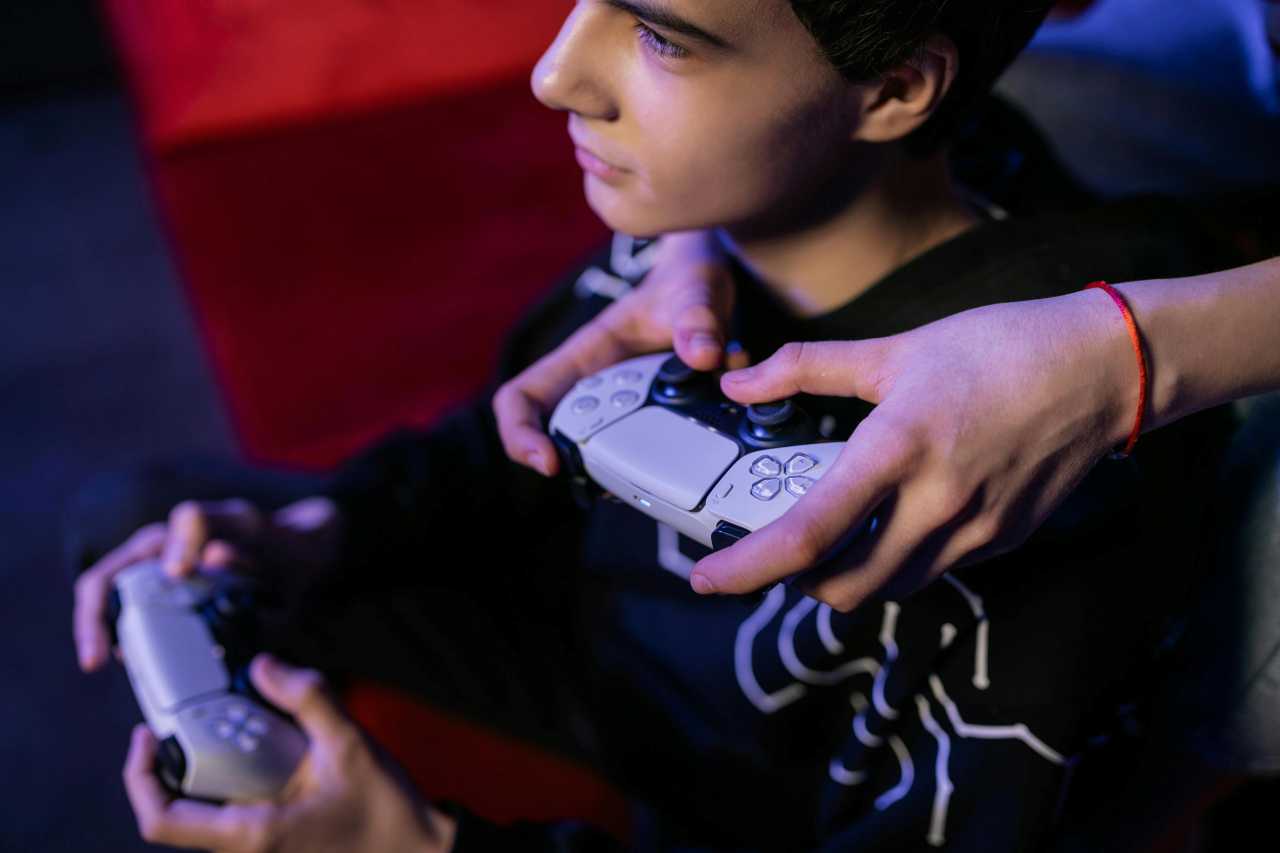
A symphonic piece from a 2020 action RPG now sits comfortably alongside Hans Zimmer compositions on streaming playlists. Concerts dedicated entirely to video game soundtracks sell out arenas in London, Tokyo, and New York. Tracks composed for fantasy RPGs get remixed on TikTok and rack up tens of millions of plays.
The line separating game audio from mainstream music has effectively disappeared. What was once considered utilitarian background noise has grown into a standalone artistic force, one that shapes listening habits, inspires professional musicians, and generates cultural moments on par with any major film release. Here’s how that shift happened and why it matters.
From Background Noise to Cinematic Ambition
Early game music operated within severe technical constraints. Composers had limited sound channels and tiny memory budgets, which forced them into creating simple, looping melodies. Despite those restrictions, iconic 8-bit and 16-bit themes became permanently lodged in popular memory. The simplicity itself turned out to be a strength; those melodies were catchy precisely because they had to be economical.
Modern titles have abandoned those limitations entirely. Games like Cyberpunk 2077 feature layered, genre-blending scores recorded with full orchestras and high-profile artists. The Last of Us pairs sparse acoustic guitar work with emotional storytelling in ways that rival prestige television. Composers now write adaptive music that shifts based on player choices, adding a dimension that linear film scores simply cannot replicate.
Sonic Identity: The Sounds That Define a Game
Certain audio cues become inseparable from the products they belong to. The opening chords of The Legend of Zelda, the save-room music in Resident Evil, or the victory fanfare in Final Fantasy, these fragments of sound carry instant recognition across generations. Composers craft these motifs deliberately, treating them as sonic logos that anchor a franchise’s identity.
That same principle applies well beyond traditional console gaming. In the casino space, for instance, the mechanics of online slots rely heavily on recognizable audio design to establish an atmosphere. The rhythmic spin of the reels, the cascading chime of a winning combination, and the subtle tension-building hum during bonus rounds all serve a purpose. Casino game developers treat sound with the same attention that major studios give their flagship titles.
Audio identity, in short, functions as a branding tool. Players and users associate specific sounds with specific products, and that association keeps them coming back. Whether it’s a fantasy RPG or a digital slot reel, the sonic signature does serious commercial and emotional work.
Live Performances and the Concert Hall Crossover
Tours like Video Games Live have been filling concert halls worldwide for nearly two decades. Full orchestras perform dynamic arrangements of game soundtracks to audiences that span every age group and demographic. The Royal Philharmonic Orchestra has performed the Zelda suites. The London Symphony Orchestra recorded the score for multiple major titles.
This crossover into live performance legitimized game music within classical and contemporary music circles. Critics who once dismissed game audio as repetitive or shallow have had to reckon with compositions that demand genuine orchestral skill. The demand for these concerts continues to grow, with new tours announced each year and tickets frequently selling out within hours of going on sale.
Streaming Platforms and Social Media Virality
Spotify, Apple Music, and YouTube have turned game soundtracks into a streaming category with real commercial weight. Playlists dedicated to game music attract millions of monthly listeners. Individual tracks from titles like Hollow Knight or Undertale have accumulated play counts that rival mid-tier pop releases.
TikTok accelerated this trend considerably. Short-form video creators sample, remix, and repurpose game tracks to soundtrack their content. A haunting piano piece from a horror game might underpin a comedic skit; an upbeat battle theme might become the backing for a fitness montage. These clips push the music to audiences who have never touched the original game, expanding reach far beyond the gaming community itself.
Composer Recognition and Industry Awards
Game composers are finally receiving the kind of public recognition that film composers have held for decades. Gustavo Santaolalla’s work on The Last of Us earned widespread critical praise. Mick Gordon’s heavy metal-infused Doom soundtrack became a cultural phenomenon. Bear McCreary, already known for television work, composed for God of War and brought new attention to the craft.
Award ceremonies have adapted accordingly. The Game Awards now feature a dedicated best score category, and BAFTA includes game music in its annual honors. Grammy conversations around game soundtracks have intensified. These accolades matter because they bring institutional legitimacy, which in turn attracts more top-tier musical talent to the industry.
Gaming music stands on its own artistic merit now. The cultural machinery, concerts, streaming numbers, awards recognition, and social media virality support it in ways that simply did not exist fifteen years ago. For composers, the medium offers creative freedom that Hollywood often cannot. For listeners, it delivers music that resonates regardless of whether they have ever picked up a controller. That shift is permanent, and the gap between game scores and film scores has effectively closed.