
Brockhampton’s Bearface begins a new era as Ciarán
The Belfast-born singer discusses dropping the moniker and using his real name for gorgeous and affecting debut album Roisín
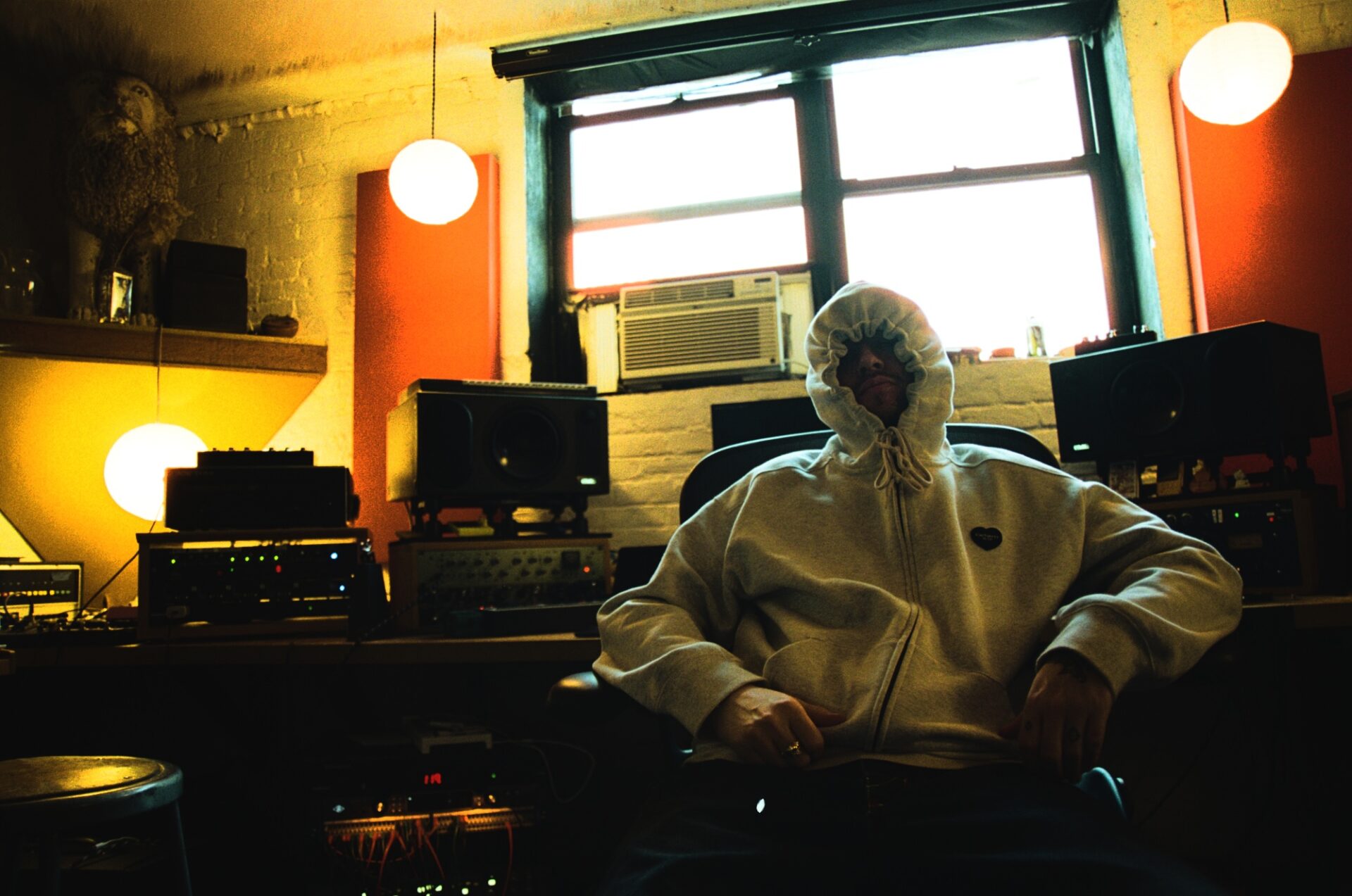
As the singer known as Bearface in Brockhampton, the American boyband who defined US rap in the late 2010s before burning out as quickly as they emerged, Ciarán McDonald provided the group’s most tender and beautiful moments. With a striking vocal range and unique ear for melody, his tunes provided a mellow and meditative counterpoint to the band’s chaotic, bubbly MO.
Four years after the band’s breakup, the Belfast-born McDonald has returned with a solo project under his own first name and the superb debut album, Roisín, released via Ninja Tune. On it, he reintroduces that instantly recognisable voice but pairs it with musical choices that swerve from minimalist guitar-based songs to the bombast of Prince and D’Angelo.
Ahead of the album’s release, Rolling Stone UK speaks to Ciarán about naming the project after himself and thus foregrounding his Irishness, the limits to what he could achieve as Bearface, and embracing imperfection.
How quickly after the dissolution of Brockhampton did you begin working on the new project?
I’d been writing pretty much since then but was taking my time, trying to figure out something that was exciting to me and felt good. I didn’t want to rush into anything. I wanted to keep going until I started to make something that I felt was interesting to me.
One of the most common things commented on with the group was the rapid work ethic and quick writing – is that how you operated too, and what has slowing that process down done for your creativity?
I always worked pretty slowly myself. In the group context, I would always work differently from everyone else. They preferred to have a mic in the middle of the room, and everyone would sit around and pass the mic back and forth. I’ve just never really been comfortable recording in front of people, so I would always get Romil [Hemnani, Brockhampton producer] to send me the beat and then I would go into my room, record an idea, and then bring it into the main room.
When it came to working on my own stuff, I can just move at my own pace. Not to say I haven’t really felt that urgency, but I’ve just ignored any sense of urgency in order to give myself time to experiment and get to the place that I’m trying to get to with the music.
It seems like Roisín went through countless stages and false starts before you hit on something – was that a difficult process?
I was getting pretty frustrated with it at the time. It’s very well-trodden territory, but it’s the peaks and valleys of making shit, and I was definitely in one of the valleys. Me and my friend Ryan would focus a lot on the engineering aspect of it, and I just wanted to get to the song. In the moment, you’re just looking for something to blame and I was like, ‘This is holding me up. I’m just gonna record something immediately.’ The song [would be] pretty terribly recorded, but it actually ended up helping out a lot.
At one point during the process, you wrote an entire album in five days and then scrapped almost all of it… was that just a palate cleanser?
There are quite a few ideas that I cannibalised from that that ended up making the album. I’d love to put [the full album] out at some point. I mean, it’s not very good, but there’s some fun about it.
Did you know immediately after Brockhampton that you wanted to leave the Bearface name behind? Was there intentionality behind giving this project your own name?
I’d wanted to change the name for years, [but] I would always stupidly scare myself out of it. Thinking back on it, it truly doesn’t matter, but at the time I was really worried. ‘Americans never know how to pronounce my name; it’s gonna be such a pain to have to constantly explain it to people.’ But I do that every day anyway! It doesn’t matter. Like, who cares? It’s kind of cool. I decided on just going with it, and then people have to learn [to pronounce] it.
Along with the artist name, the album is called Roisín after your planned middle name if you were a girl. There’s also a song titled ‘Claddagh’. Why did you want to foreground your Irishness like this?
I’ve moved around so much my whole life, so identity is a complicated subject. Particularly growing up in the north of Ireland as well, which complicates it even further. But that’s the place I grew up and spent most of my life, so when I think of home and growing up, it’s Belfast. Because it’s my first album, and the first thing I’m really doing completely myself, when you’re in the context of Brockhampton, there wasn’t a ton of room. It’s too nuanced of a thing for me to shoehorn into a band context, so I’m able to indulge in myself a little bit more when it’s a solo thing. I feel more open to expressing that.