
How Green Man became our Festival Of The Year
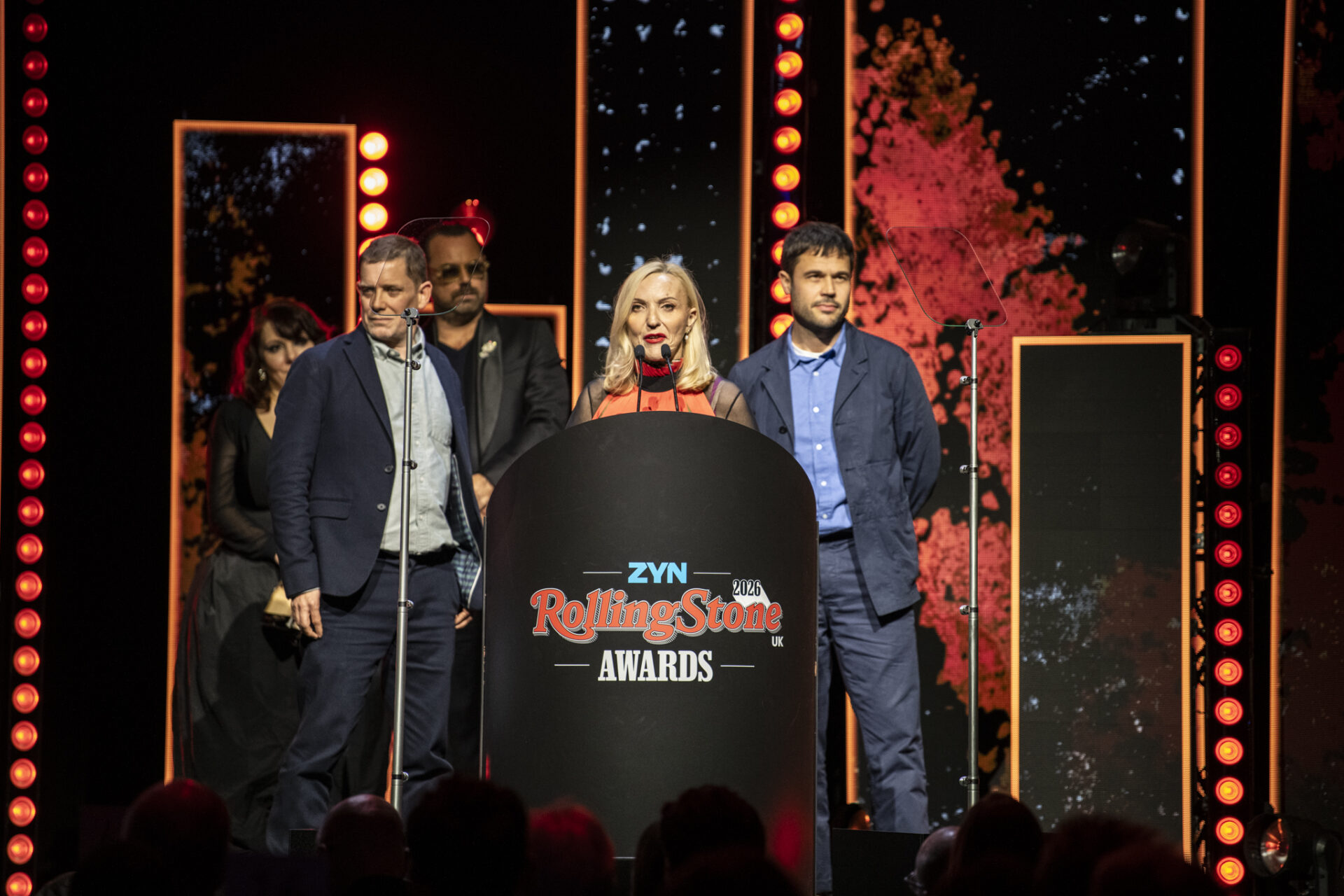
After winning The Festival Award at last week's ZYN Rolling Stone UK Awards, Green Man founder Fiona Stewart tells us how they got here.
The intense and fervent rush for Glastonbury tickets is known worldwide, but each autumn a similarly frantic scramble happens to secure a ticket to Green Man, the UK’s best totally independent festival. For the past half a decade, the 25,000 tickets for this idyllic and boundary-pushing event in the Bannau Brycheiniog mountains of south Wales have sold out within an hour, before a single artist has been announced for its line-up.
Since launching in 2003 and with its roots in indie and folk, Green Man has blossomed into an event that books the biggest names in leftfield dance, rock and beyond, while maintaining a strong social conscience. Entirely sponsorship-free, it provides an escape from the increasingly corporate festival landscape, all linking back to the folklore figure of the Green Man himself, who is burned at the end of each festival in a ritual of cleansing and rebirth. It is for these reasons that it is our winner of The Festival Award at the ZYN Rolling Stone UK Awards 2026.
With the festival’s 25th-anniversary event – already sold out, of course – taking place next August, festival founder Fiona Stewart tells Rolling Stone UK about the roots of Green Man, the importance of its continued independence, and why people need the escape that it offers now more than ever.
Take us back to the launch of Green Man in the early 2000s – what was the ethos of the event at the start?
I’ve always seen festivals as a really ancient thing, which is part of the global human experience in every country. In every era, you’ll see some kind of reference to a festival. People come together, they sell things, they make money, listen to music, they listen to new ideas, and they’re together as a community. I really loved the idea of Green Man because I feel it absolutely encompasses those roots, that heritage, but it’s so contemporary now. All of those things matter – they’re timeless, ageless. They matter even more now – that we are together, that we have a community, that we celebrate things. It’s such a fantastic, wonderful thing to get that right, and I wanted to be able to bring something that would protect it, and that’s what Green Man is. The music might have developed over the years, the areas may have changed, but that spirit of enablement and inclusion is still there, and that will never change.
The festival was also one of the first to take place after lockdown ended in 2021 – how difficult was navigating that time as an independent event?
If there was a Guinness Book of World Records [for it], I’m sure we sold out more times that year [than anyone else]. We sold out four times! I was involved with [London festival] The Big Chill previously. I’d seen that go through various stages of going out of business, and I just never ever wanted to be in that situation with Green Man. We have to have money in reserve. I’ve lost everything – all the reserves, everything I’ve owned – at least four times. But I’ve always paid people and made sure I’ve never not paid anyone.
Why is refusing sponsorship so integral to the Green Man ethos and experience?
I understand how challenging it is to run an event, so I’m not going to knock people who do it. But from a personal point of view, everything you get at Green Man is from someone’s head, someone who’s so passionate and knowledgeable about their area – that could be food traders, the performance artist, the music. Everything is from an individual who’s absolutely at the top of their game, who lives and breathes what they do. When you get that, you will be getting a unique experience.
We work with so many small businesses and have a real ethos of trying to work with other small teams. If we had sponsorship, we just wouldn’t be able to do that because, quite reasonably as sponsor, [they] just want you to be selling their beer or their food. It can be a charmingly challenging thing working with loads and loads of tiny, very enthusiastic businesses, but it’s well worth it because you get that unique experience. I have been tempted to get sponsorship, but I’ve never actually found anything that is better quality than the stuff that we give people.
Does this ethos somewhat come back to the Green Man itself and the folklore that runs through the festival’s origins?
Green Man offers a different festival experience, and core to that is its Welsh heritage which encompasses the passion, resilience and friendliness which is so much part of the festival. Each year we dedicate the Green Man to someone who has passed away, and this year it was dedicated to my dog Walter, whom I adored and the team adored.
Wildfires in the area meant that you couldn’t hold the traditional burn in 2026. What did you do instead?
A lot of people use the festival as the start of their year. They put things in [the Green Man] to burn at the end of the weekend. They were like, “What’s happening to the wishes?” People take these things seriously, so we had to take them down individually. There were thousands of wishes and we put them in a stack and burned them in a wheelbarrow… which was very decadent! Mini Walter is still here – he’s in a barn now. I couldn’t bring myself to burn him!