
La Roux’s glorious return: ‘It’s the most joyous and free I’ve ever felt on a record’
Although the singer’s new album ‘Old Flames’ explores the painful breakdown of a relationship, she still finds joy in the process of turning it into art
By Nick Reilly
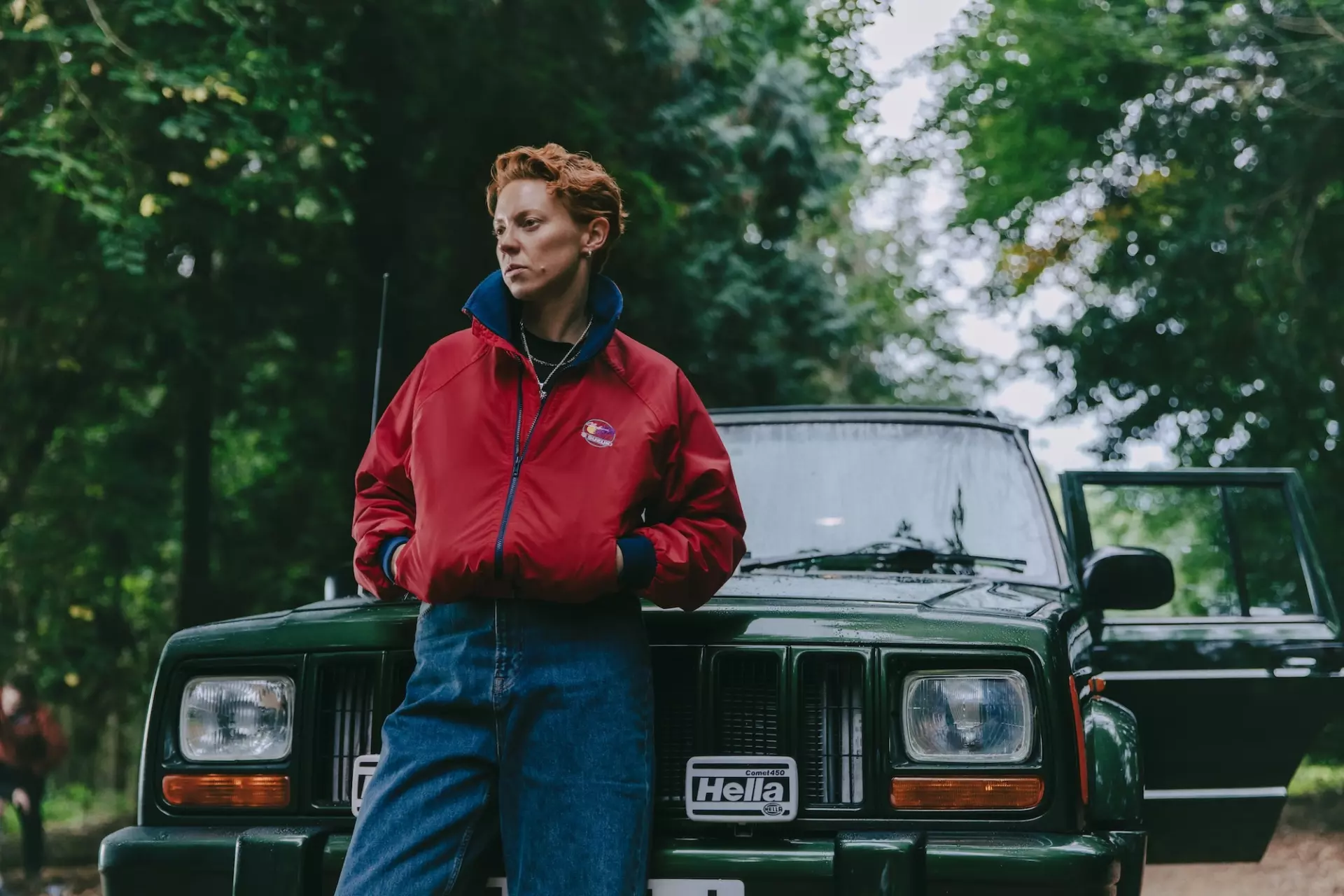
“I think what’s weird about writing songs is that they so often end up prophesying things in your life,” contemplates La Roux over coffee on a drizzly Thursday afternoon in Brixton, London.
It’s something that became all too clear when the singer – real name Elly Jackson – was making the brilliant Old Flames, her first album in six years. Written in the lead-up to her split from her partner of 17 years, its songs seem to predict exactly what was going to happen – even if Jackson wasn’t quite aware of it yet. On the woozy ‘To Make Our Love’, she laments that it “feels like you’re slipping right out of my life”, a line which sadly came true.
“We’d just got back together in the pandemic, and I started writing to make her laugh,” she says of that album standout. “There’s part of you that is in denial and there’s part of you that knows what is going to come true. It’s that defence mechanism of not wanting to face the reality when the reality is such a tough thing, I suppose. I thought this song would be written like a worst-case scenario, but it did come true.”
But at the same time, Jackson insists, it’s a song full of the hope she felt when she was writing the album, which teems with that very sentiment. Sadness be damned, Old Flames marks a very welcome return for one of Britain’s most celebrated pop stars.
It’s been six years since the last record, Elly. Why the gap?
My last record, Supervision, came out a few weeks before the first lockdown, and that was tough because I’d had a similar gap between that album and my second and it had taken me a lot to get there. I’d made half of another record, and I wasn’t allowed to release it for reasons I would rather not speak about. So, after that and then the pandemic happening, I found it quite difficult to get myself back on my feet again. I found it quite difficult to know what to do with myself, and the only thing that was remotely feasible was just getting back in the studio and making more music. But it’s been really hard.
You made this album amid the slow end of a 17-year relationship. How tough was that?
We can’t complain that we get to do what we love for a living, and it’s not the hardest job in the world, but it still requires a lot of you. It’s an incredibly joyous act, and we’re very lucky, but when you’re not in a good space, it’s very difficult to put something out and to want to make music in the first place. But look, La Roux isn’t about being low; they’re energetic records, and I always like to promote as much joy as possible in my records and feelings of freedom.
There’s a lot of sonic freedom to be found too…
I started learning more about modern production, and bigger beats became a really big focus of mine. I got re-obsessed with hip-hop just like I did when I was 14 or 15. It’s obviously through a La Roux lens, so I think some people won’t hear it and some people will, but ultimately it doesn’t really matter if it’s ended up remaining, it matters that it was inspiring and it matters that it taught me things and it led me down a path to where I am now. So yeah, I started in 2020 but I wasn’t intending on making a record at all.
On ‘Lose Myself’, you offer a frank look at your dependency on weed. What has giving that up done for your life?
I’m autistic and I experience a lot of sensory [overwhelm], and I think initially when you’re a teenager, smoking weed numbs a lot of the intensity of the world and creates a soft barrier between yourself and excessively loud noises. I became a very heavy weed smoker, and it was only when I stopped that I realised it was making things a whole lot worse.
I’d stopped for a few months for unrelated medical reasons, and my family just told me I seemed like a completely different person. This is something I want young people to understand, because you might be thinking it does you a favour, but it’s quite damaging and it lurks in the shadow of your nervous system. I have incredibly acute hearing, and I used to think it helped numb that, but ever since I’ve stopped, I’ve been the calmest I’ve ever been.
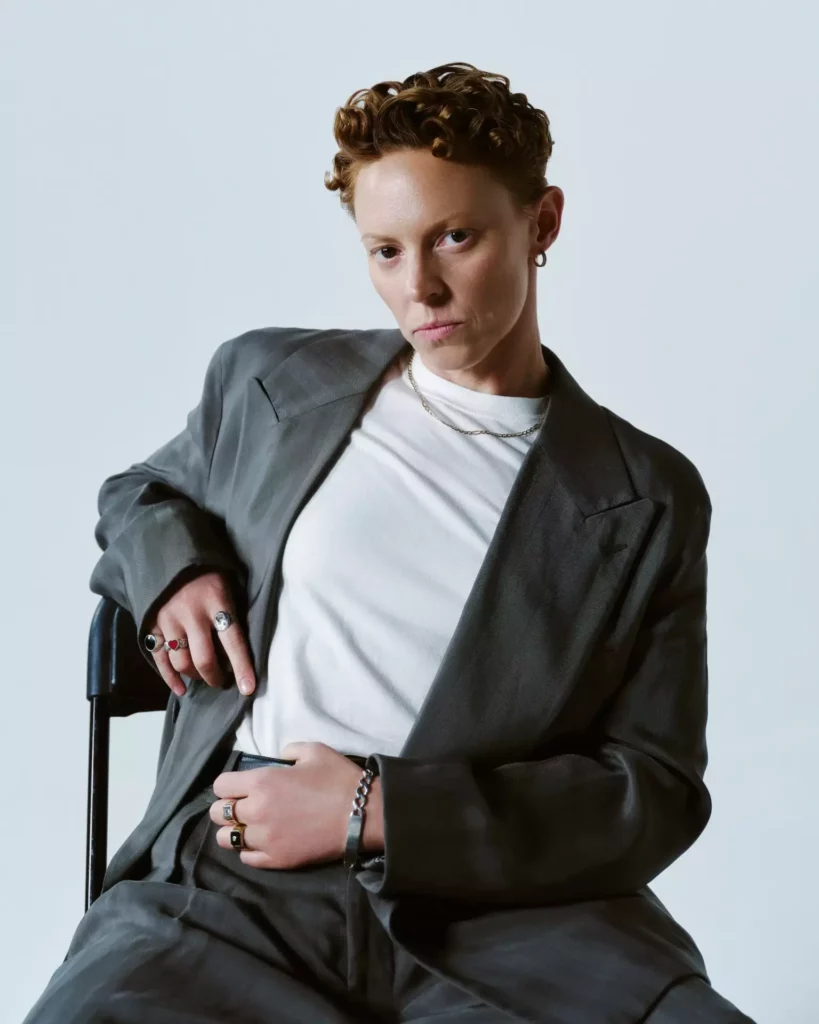
By extension, is this album the truest representation of where you are now?
Yeah, it is. My last two records were definitely more stuck in the past sonically and stylistically in a way that I really wanted them to be, but it also puts a cap on how many people that can reach. With this record, I wanted to do exactly what I wanted to do without compromising, but sonically have it be in a world where it can live in 2026 without it feeling out of place.
I still think that I’m going to be in my own lane to some degree, you know. I can’t sit here and say it fits into some category or zeitgeist of what’s going on now, but sonically for the first time probably since my first record, it competes with things that are happening now. That’s been nice to bring those two worlds together for the first time, and it’s a testament to me getting better as a producer as well and also just learning.
Oh, and ‘Babyline’ is my favourite song on the record. I’m really, really excited to get that energy out into the world be-cause it’s the most genuinely joyous and free that I’ve ever felt on a record, and I really hope that translates and that people can feel that for themselves because it was a very healing moment for me.
Taken from the August/September issue of Rolling Stone UK, out now. Order your copy here.