
Placebo: ‘Nancy Boy’ nearly never got written’
As their debut album hits 30, Brian Molko and Stefan Olsdal look back at legacy and life.
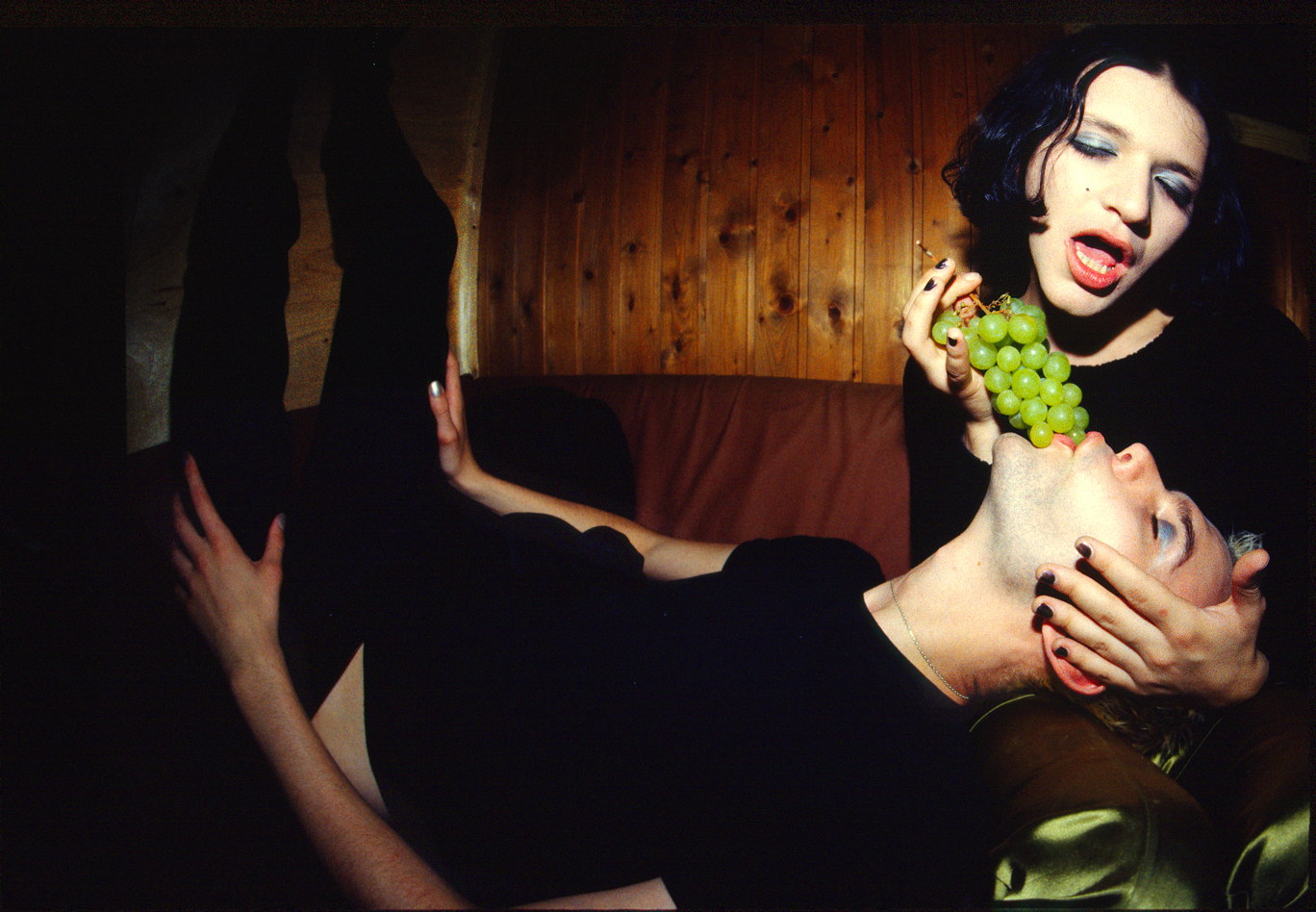
Three decades after the release of their self-titled debut album, Placebo are still finding new ways to revisit the record that changed their lives.
The band’s 30th anniversary project, Placebo RE:CREATED, is neither a straightforward remaster nor an exercise in nostalgia. Instead, Brian Molko and Stefan Olsdal describe it as a “director’s cut” – an opportunity to revisit the songs with three decades of additional experience while preserving the spirit of the original recordings.
As part of Attitude’s recent cover interview with the band ahead of receiving the Pride Icon Award at the PEUGEOT Attitude PRIDE Awards, Rolling Stone UK sat down with Molko and Olsdal to discuss the song that almost never happened, the surreal experience of becoming Top of the Pops stars and what they discovered when they returned to the album that started it all.
‘Nancy Boy’ remains the song most closely associated with Placebo. What do you remember about its origins?
Brian Molko: It almost didn’t get written! I remember Stefan had lent me a Tascam four-track cassette recorder and the first thing I demoed was 36 Degrees. Then I came up with the chords for ‘Nancy Boy’.
The problem was that I thought they were too mainstream for me. I was listening to a lot of Sonic Youth and I didn’t know if I was going to do anything with them. The next day I went round to Stefan’s and said, “I’ve got this idea, but I don’t even know if I like it. I’m going to play you these chords but they’re a bit major key, they’re a bit classic rock…”
By the time I finished playing Steph just looked at me with an enormous smile and just went, “That’s a fucking massive hook. We have to do something with it.”
Stefan Olsdal: I loved it. I’ve always had a penchant for pop music.
Molko: We’ve never been afraid of that. Something doesn’t have to be complex to reach you emotionally. Or be worth something.
The melody was just so immediate. It popped. It had to be done. But because I was such a Sonic Youth fan, I had to turn all my distortion pedals up a level. Just to counteract the sweetness and accessibility of the melody. I thought, “I’ve got to put maximum dirt on this.”
That’s really what made ‘Nancy Boy’ so exciting. It’s this combination of this really accessible hooky melody, that is very pop, with this brutal guitar sound. It was difficult not to like but, at the same time, it was very, very punk.
At what point did you realise the song was becoming something much bigger?
Molko: We were utterly gobsmacked when it made the Top 20, let alone when it made the Top 5. We listened to the Christmas chart countdown at the end of 1996 and discovered it had gone to Number Four. I remember sitting in Stefan’s house listening to it.
Then suddenly we were being invited onto Top of the Pops, which was very surreal. We got to meet Depeche Mode for the first time, which was fantastic.
Olsdal: That was a big moment.
Molko: Then after we performed on Top of the Pops, there were something like 43 complaints because people couldn’t work out whether I was a boy or a girl. We thought, “Okay, we must be doing something right.” Let’s just keep going. And at that point, we obviously didn’t know that we were going to have a 30-year career.
We weren’t even too sure how long it was all going to last. The amount of bands that end up on Top of the Pops and then fade into security… history is just littered with them. There was always that possibility, but obviously the universe had different plans for us.
RE:CREATED doesn’t feel like a traditional anniversary release. Was that intentional?
Molko: Absolutely. There are moments on the album where 53-year-old Brian is doing a duet with 22-year-old Brian. That’s fascinating to me.
We didn’t want to do something lazy with this 30-year celebration. Most bands remaster an album and make you try to buy it again. We wanted to offer something that had real meat on the bones, and we wanted to preserve the integrity and identity of the original album while dragging it sonically a little closer into the 21st century.
We’ve spent 30 years of experience playing some of these songs live. A song like ‘Bionic’, for example, is one of our most played songs live. We wanted to bring some of that energy – the energy people experience when they come to see us live today – back into the album.
It’s record that exists simultaneously in two different timelines. But I think music does that anyway. So perhaps we’ve tapped into something interesting there. You’re also dealing with your emotional memory of it. I was able to understand my emotional relationship with the album much better through this process.
Did revisiting the album change the way you see your younger selves?
Molko: It did. I’d created in my mind an image of this record being budget sounding and ineptly executed, and that was just a complete fabrication.
I realised this when I went back to listen to the album when I decided to do this project. There was nothing budget about the sound. There was nothing inept whatsoever about our performances. The only thing that didn’t sit 100% right with me was the fact we didn’t have the experience of being in a professional recording studio.
We didn’t know how to use the studio as an instrument. We were a power trio at that point. Drubs, bass, guitar. That’s it. And I wasn’t even the best guitarist in the band! But I had to play guitar because [Stef] was the best bassist in the band.
All we knew how to do when we got into the studio was to just record what we did when we played live. Sometimes that can work. But I thought the songwriting and the songs themselves deserved to be more completed.
To take our experience today back to that record and allow it to become what it was meant to be, that was my modus operandi.
Olsdal: We keep referring to it as the director’s cut. We don’t spend a lot of time listening to our old material, but there was always this feeling in the back of our minds, “Oh, could it be better?” Then suddenly the 30th anniversary comes around. And there’s a zero on the end of the number. You think, “Okay, we’ve got to do something.”
And Brian called me and said, “Maybe this is the moment to go back.” Just to readdress it and see if we can bring it up to date. Somehow it feels like we’ve come back and finished it without changing it. Because all the performances are still there. All the original takes are still there.
So what actually changed?
Molko: We haven’t really removed anything apart from one didgeridoo.
Olsdal: And a few bongos.
Molko: There’s that old joke that the Beatles were so high they even let the drummer sing. We must have been so high that we let the drummer record his didgeridoo. But apart from that, we haven’t removed anything. We’ve only added to it.
More life. More experience. Less didgeridoo.
Molko: Exactly. And that’s why “director’s cut” is the best way to describe it. Because there were even deleted scenes we were able to put back in.
There were things that we found on the original tapes that we decided not to use on that record. For some reason, we just weren’t courageous enough. But discovering these different things – these different vocals in different places – and bringing them back into this record was really exciting.
Olsdal: Also, a bit of a spoiler alert, but we took a hidden track on the CD and brought that to the forefront and finished that as well.
Molko: The instrumental piece at the end, ‘HK Farewell’. It was recorded as we wrote it, basically. We just sat around twiddling with stuff and they set up some microphones around us to record us. Thirty years later we had the opportunity to return to it and finish what we’d started. And that felt really satisfying.