
Lankum’s Radie Peat discusses her magnificent debut solo album, a decade in the making
The stunning ‘No Human Tongue Can Tell’ cements the Dublin singer as an unparalleled voice in modern folk music
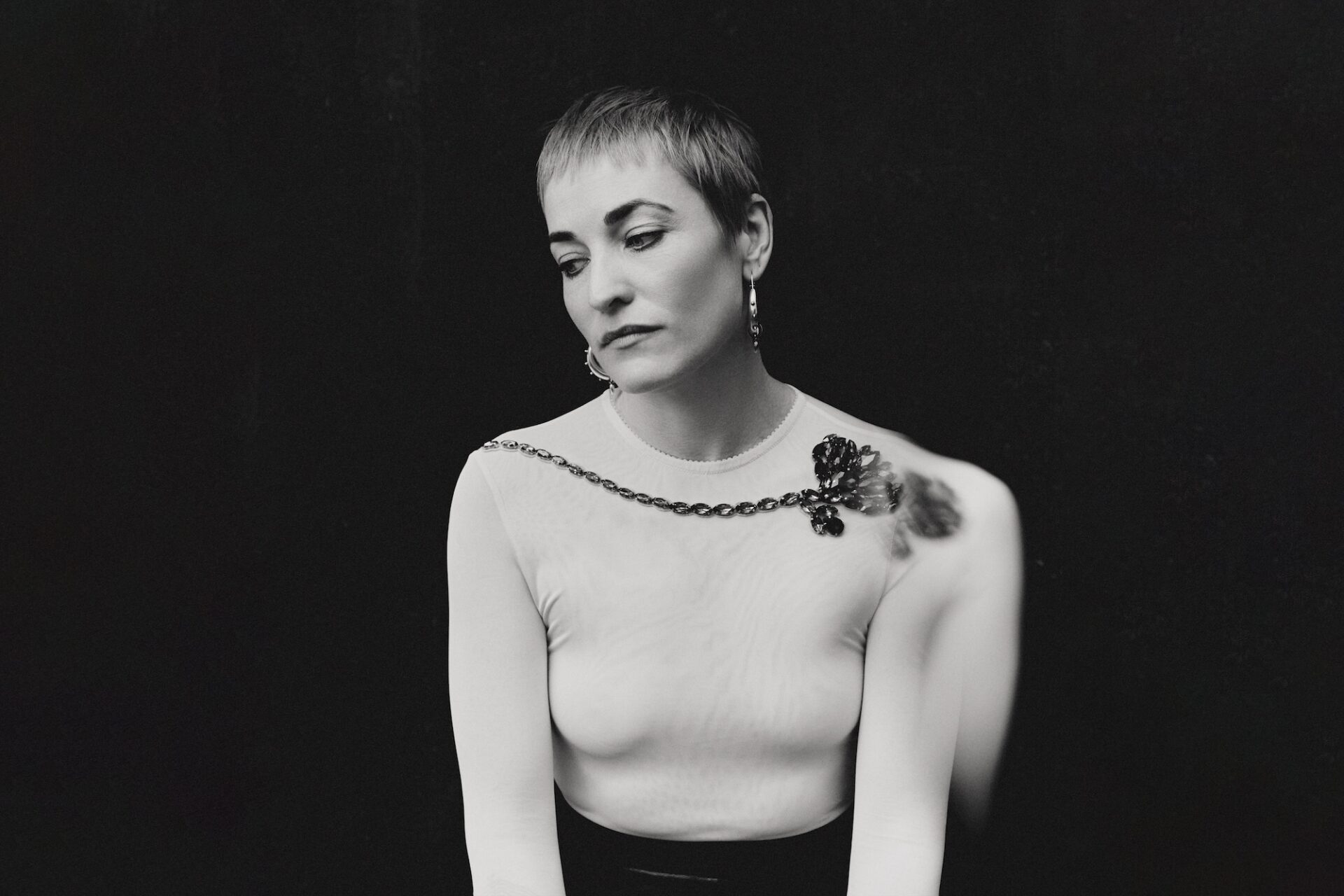
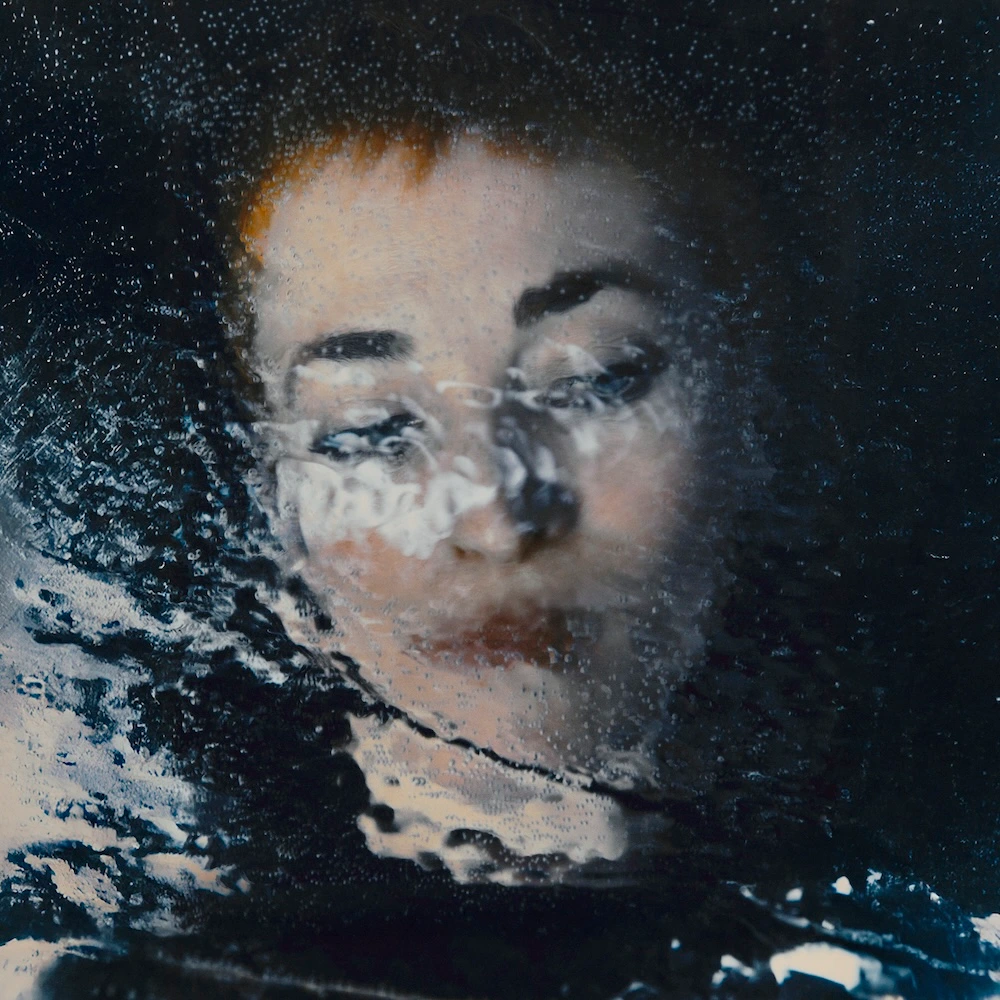
Radie Peat considers her first solo album a deeply personal record, but had a rule for the limited number of collaborators she invited into the process: don’t ask her what it’s about. The album, a decade in the making from the Lankum singer, picks out stories – often by or concerning women – from the folk canon and imbues them with her once-in-a-generation voice and gorgeous yet menacing instrumentation.
“I can sit here and try talk to you about this as much as I want, but I won’t really be able to explain to you what I was doing, what I was going for,” the folk singer tells Rolling Stone UK in London. It’s not said with a deliberate guard up or unwillingness to divulge the album’s thematic points. Instead, it’s an admission of music’s ability to bring forth feelings and emotions that words or explanations won’t do justice, even to Peat herself.
“If I did my job well enough, when you listen to it you’ll know what I mean,” she adds, a statement that proves stunningly true when pressing play. It’s why she titled the album, one of the year’s most striking releases, No Human Tongue Can Tell.
Peat has been playing with Lankum, the doom-influenced folk band from Dublin, since their formation in 2002, but it was in 2023 with their Mercury Prize-nominated masterpiece False Lankum that they gained a long-deserved boost in popularity. The band have since been rightly held up as a key figure in the boom in popularity of traditional folk music within younger listeners in recent years.
For Peat though, traditional music is for life, not whatever zeitgeist it might be currently rubbing shoulders with. Playing in sessions since the age of five, she learned the ropes far before ever considering putting any of it to tape or starting a band.
It was a decade ago when the seeds of No Human Tongue Can Tell began to take shape, but the burgeoning success of Lankum, the formation of her other band ØXN, and a fear of sharing such naked and personal work with the world put it on the backburner.
“It felt impossible to finish it at points,” she admits, with the urge to complete and release this long-gestating project only truly reaching her when she fell pregnant with her first child. “I had no idea what life was going to look like once I’d had a child,” she remembers, telling herself: “This might be your last chance to actually do this idea, whether you’re ready or not.”
In many senses, No Human Tongue Can Tell is Peat’s life’s work. Though she says the nine songs featured here essentially “chose themselves,” they came to her and resonated with her from decades of research, dedication and curiosity. “When you’re a traditional or folk musician, your whole life is just collecting your repertoire,” she says. “These songs felt very personal to me, and I think that’s why they made it onto this [album] and not into Lankum. Lankum is a collective. Maybe it’s because a lot of the songs are dealing with some particularly female struggles and are songs of love and betrayal and loss, they just felt too personal to [sing them with anyone else].”
While a singer labelling their new album a “personal record” might inspire images of lyrics about first-person heartbreak scribbled in a tear-stained diary, No Human Tongue Can Tell feels so personal to Peat because of the emotions that hit her when she first heard these tunes, the life she has lived alongside them since, and now the astounding twist she gives them on record.
“I actually find it easier to put really intense emotional experiences and things that have happened to me in my life into these songs,” says Peat. “I can be very honest in them because they’re universal vehicles for that. If I was sitting down to write a lyric, I’d probably be like, ‘That’s too personal. I’m not going to write that’. But you can just put it into the setting [of an existing song].”
The lack of outside input also allowed these songs to retain their deeply personal feeling. Peat played almost every instrument on the record, and kept the emotional core of the album at arm’s length from its collaborators, namely Lankum’s Cormac Mac Diarmada, who adds delightful strings to a number of tracks, ØXN’s Eleanor Myler, who drums on ‘The Moon and Stars’, and ØXN member and longtime Lankum producer John ‘Spud’ Murphy who was behind the desk.
Folk songs have been passed down for centuries, changing shape and sound as they bounce between different generations and cultures. Along that time, an informal code of ethics has developed regarding what you should or shouldn’t change from a song you take on.
Peat says: “If someone came along and they got into folk songs, and then within a year, they were like, ‘I’m gonna reinvent these folk songs’, I think that would be bad form, right? Because they haven’t put in enough time learning about them.”
Her own dedication and history with the form allows what she self-describes as the “liberties” she took on the album’s standout track, ‘The Moon and Stars’. “I’m not saying I get a free pass, but I have been playing traditional music since I was five years old. I do know the folk song form and idiom, so I know how I can adapt it to make it still sound like it’s from that time. I’m trying to be in keeping with the crux and emotional thrust of the song, and you do have to be respectful to it – you can’t just come in and decide to do anything you want.” She pauses and laughs. “I don’t know… I feel a bit like a hypocrite now just after saying how much I changed that song!”
The song in question first came to Peat’s attention when sung at a late-night party by the folk legend Eliza Carthy. “I only remembered a couple of lines because it was late and I was kind of drunk!” Peat laughs. Titled ‘The Maid’s Lament’, it concerns a woman abandoned during her pregnancy and contains lyrics with veiled references to abortion.
“There’s these little hidden language clues a lot of time in folk songs,” Peat explains, telling how she then discovered a reference in the song to the herb Rue, which causes miscarriage but can also result in death. “That gave me a very different understanding of the rest of the song,” she says. To Peat’s mind, the song’s subject “hasn’t just been abandoned; she’s not just upset. She’s been put in this terrible situation and been driven to such desperation that she might end up dying herself.”
With this knowledge at hand, Peat imbued ‘The Moon and Stars’ with her own anger on behalf of the subject through dark and swirling instrumentation, also adding the line: “I wish I’d never seen your face or heard your lying tongue.”
Though the final product, released on wax and performed on stage, might seem like the ultimate version of these songs and Peat’s creativity, it only exists because of the grounding and history in traditional music that birthed it.
“A lot of being a traditional musician is that you have to keep your entire repertoire in your head,” she says. “It’s hundreds of tunes that you learn from when you’re a child all the way through your life, and you don’t forget any of them.” You can’t forget any of them, she says. If that tune begins to be played at a trad session in a pub, you need to be ready.
As such, the half-remembered couple of lines from what became ‘The Moon and Stars’ became a seed of an idea that then blossomed into a seven-minute epic. “Music is a lifelong obsession for me, and for most people who play it,” she says. “No one’s on the fence about this!” She describes music as “an internal meter propelling me forwards,” a feeling that is weaved into every second of the album.
In a world that’s increasingly frightening and unknowable, Peat suggests that tradition and folk music allows a comforting realisation that, actually, we haven’t changed that much. “I find it intensely comforting whenever I’m connecting with these songs and singing them,” she says. “When I can identify with them and then put my lived experience into them, it connects you to you the universality of the human experience that hasn’t actually changed that much.”
When she was a teenager, Peat says it would be seen as embarrassing to play traditional music, as well as to speak Irish. Through Lankum themselves, as well as the rise of Kneecap, both embarrassments are beginning to be shed, she says. “It’s a lot healthier that we don’t feel embarrassment about it anymore,” she says. “It’s something to be proud of.”
While this big-picture shift is most often seen on festival stages and landmark studio albums like No Human Tongue Can Tell, it begins in pub sessions. “That’s more important than making albums,” Peat, who still regularly joins sessions, says of her own experience. “It’s music as a social function, and that’s what is propelling the tradition to go forward in generations. That’s what’s keeping it alive.”