
Miu Miu celebrates Japan’s jazz legacy
To mark the reopening of its Ginza flagship, Miu Miu staged a one-night Jazz Club in Tokyo spotlighting Japanese talent
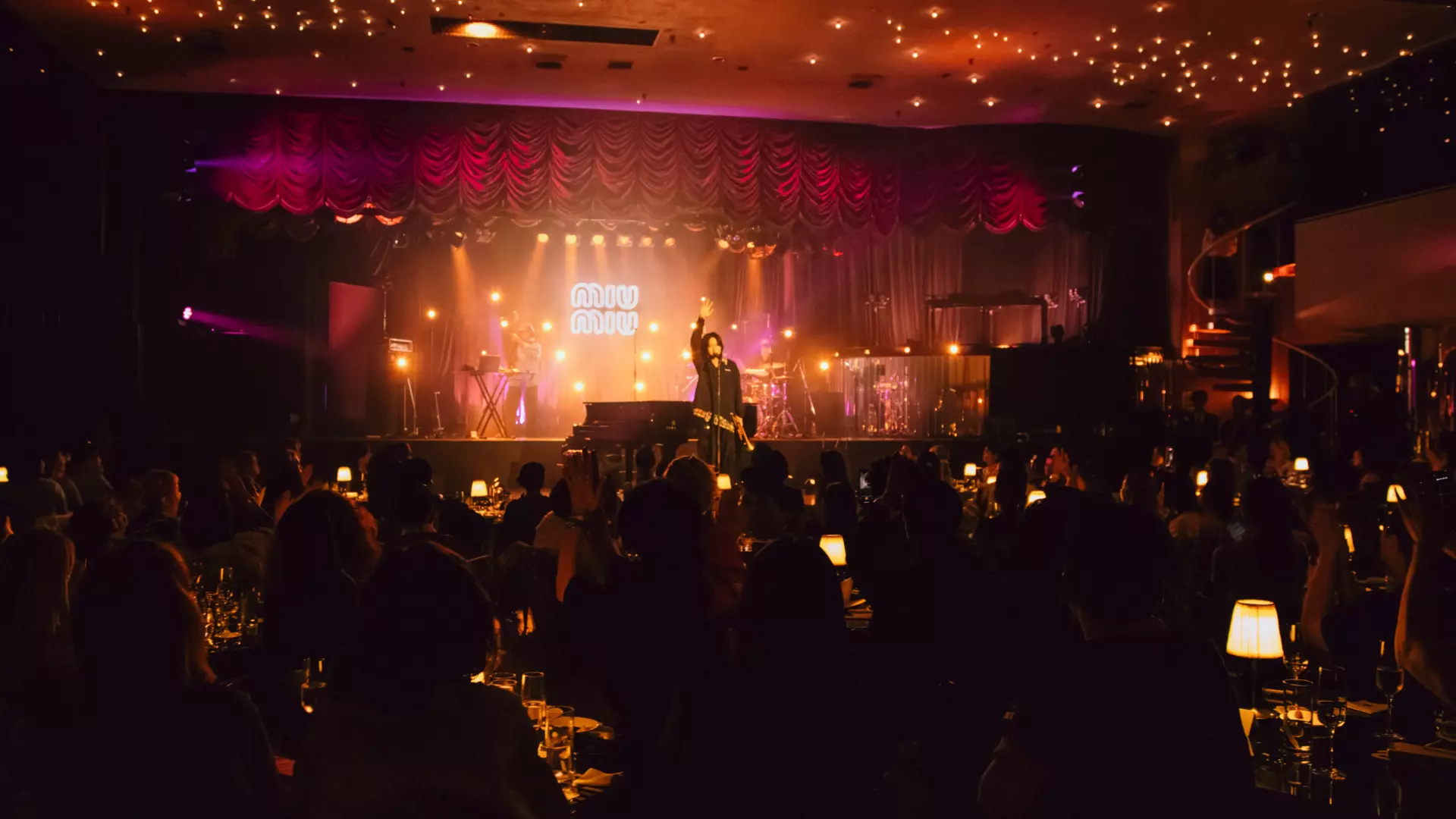
Japan’s creative scene has long bent genres, absorbing influences from around the world and reshaping them into something distinctly its own. Miu Miu founder Miuccia Prada embodies a similar spirit, with an iconoclastic, often irreverent approach that has made the brand one of today’s biggest names in fashion.
This thread came together with the unveiling of the Miu Miu Jazz Club in Tokyo. To celebrate the reopening of Miu Miu’s Ginza flagship, the event brought together musicians like Grammy-winning pianist Hiromi and UK’s very own Arlo Parks for a one-night celebration of sound and style.
Set against the backdrop of Japan’s long relationship with jazz, the evening traced how the genre took root and evolved into something distinctly its own. When jazz arrived in the early 20th century, Japan quickly absorbed it into its cultural landscape, and it reached peak popularity in the 1950s.
It was here that Japan began to make its own mark on the genre, with musicians like Toshiko Akiyoshi pushing jazz into new creative territory. Akiyoshi, a pianist, composer and bandleader, redefined the possibilities by fusing traditional jazz structures with Japanese musical influences, intricate arrangements and a distinctly personal compositional voice.
Across the evening, the programme unfolded as a study in listening. Opening the night was Tokyo-based musician Lily, whose vinyl set drew from her “After Hours Sessions” at vintage record store Ella Records. Known for high-fidelity selections that move fluidly between deep house, soul and jazz, she framed jazz not as a fixed category but as an evolving language.
The night continued with Reiya Terakubo, the Hokkaido-born trumpeter, singer-songwriter and producer whose work resists easy classification. His performance extended jazz into a broader sonic field, weaving together hip-hop, R&B and experimental production, reflecting a new generation of Japanese artists for whom genre boundaries are increasingly porous.
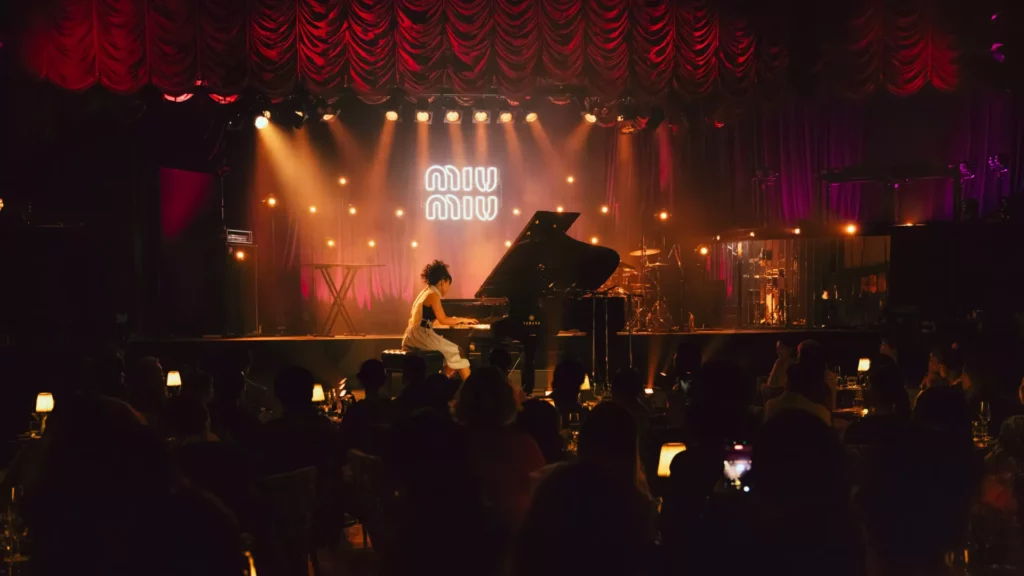
Closing the evening was Hiromi, whose virtuosic, genre-defying approach has made her one of Japan’s most internationally recognised jazz figures. Her performance anchored the night in technical precision and emotional intensity, underscoring jazz’s enduring capacity for reinvention.
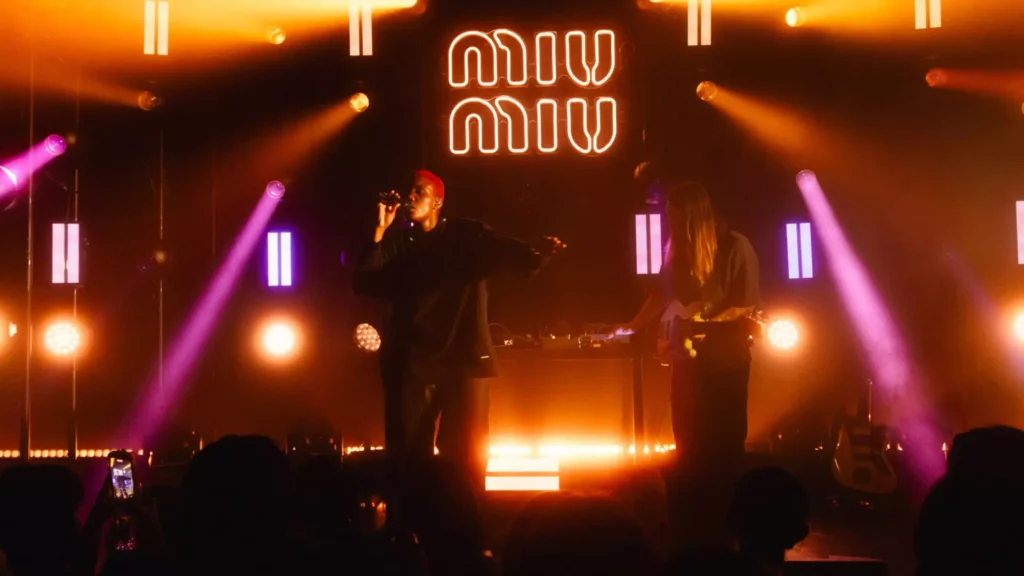
The afterparty continued at Tokyo’s Kinema Club with Arlo Parks taking to the stage, bringing her signature blend of intimate lyricism and understated emotional clarity. In a setting defined by movement and conversation, Parks offered a moment of stillness, her performance anchoring the night in feeling rather than spectacle.
Ultimately, the event extended far beyond the reopening of the Ginza flagship and its three floors of ready-to-wear and accessories. While the store itself marked a renewed physical presence in Tokyo, the evening was about something less tangible: the intersection of music, memory and cultural exchange.