
The A to Z of Timberland: the boot beyond the beats
The brand's latest campaign celebrates the people, places, music and cultural moments that have shaped its identity and enduring influence on fashion
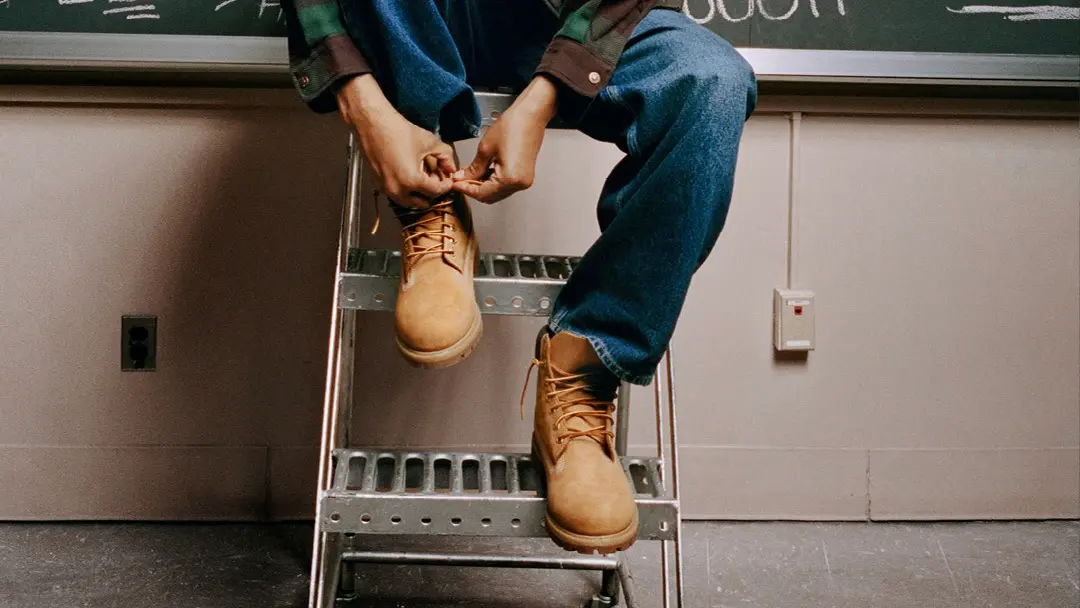
Every genre of music has its signature shoe. Disco has platforms, rock ’n’ roll has motorcycle boots, and even emo has its trusty high-tops. But in hip-hop, few styles are as synonymous with the culture as Timberland’s iconic 6-Inch Boot. From Biggie Smalls to Wu-Tang Clan, Nas to Aaliyah, the unmistakable wheat-coloured, nubuck leather boot has been a fixture in hip-hop wardrobes for decades, becoming as much a symbol of the genre as the music itself.
But Timberland’s cultural legacy stretches far beyond hip-hop. Since the Original Yellow Boot was introduced to the world in 1973, it has transformed from a construction site staple into a cultural icon for artists and subcultures around the world, becoming a tool for self-expression both on and off stage. Now, the A to Z of Timberland campaign traces that rich history, charting the people, places, sounds and moments that have helped shape the brand’s identity.
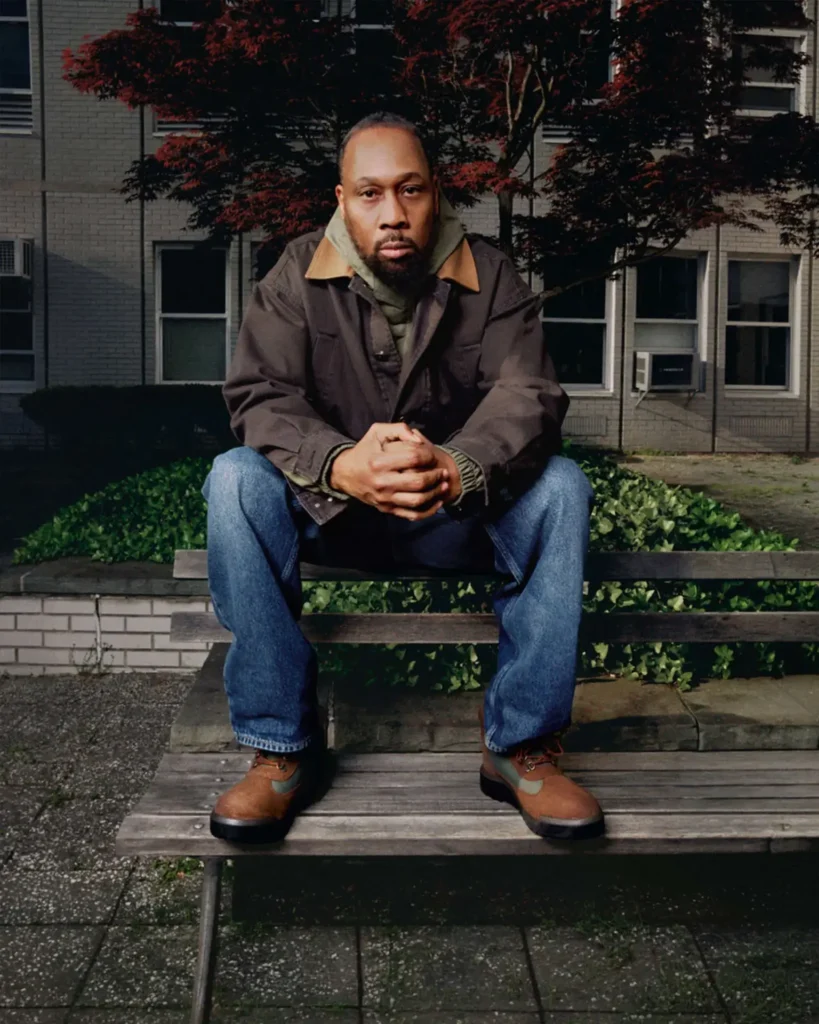
Spanning decades and crossing continents, the campaign serves as a visual dictionary of Timberland’s legacy, with each letter revealing a different chapter in the brand’s story and its enduring connection to music, fashion and culture.
So how did Timberland find its footing with style tribes around the globe? Far from setting out to make a fashion statement, Timberland’s popularity began with practicality. The original 6-Inch waterproof leather boot was introduced and quickly adopted by blue-collar workers across New England. Consider them the original trendsetters.
The boot’s padded collar, thick lug sole and waterproof construction meant it could take on whatever the elements threw at it, earning a reputation for craftsmanship and durability. That rugged DNA lives on today, from the original wheat-coloured boot to the sleek black Timbs that have become a streetwear staple in their own right.
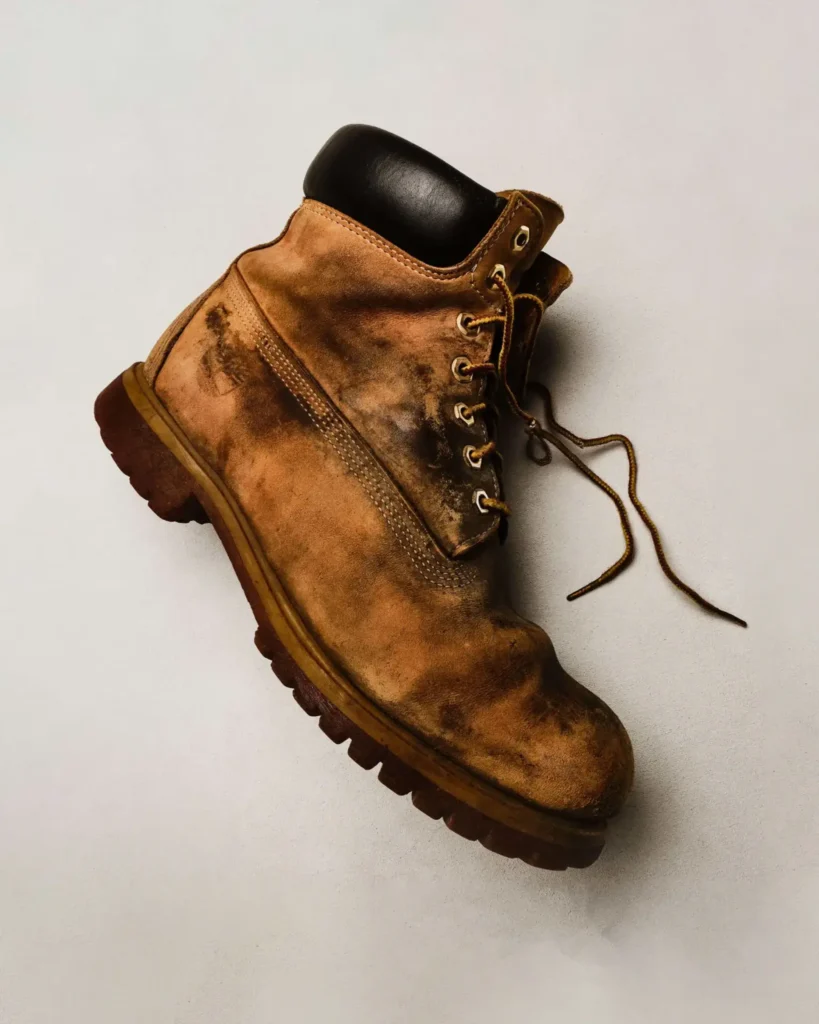
By the 1990s, that rugged appeal found an unexpected second life on the streets of New York. As hip-hop evolved, so did its look, with fashion and function working in tandem. Streetwear was flashy, but it was also practical; clothes had to look good, but they had to withstand the realities of winter in the Big Apple.
The Timberland 6-Inch Boot became a defining part of that uniform. Its combination of rugged practicality and unmistakable style made it a natural fit for New York’s hip-hop scene. Jay-Z wore Timberland long before becoming a global superstar, while Nas cemented its place in hip-hop history on his debut album Illmatic, name-checking “suede Timbs” in ‘The World Is Yours’.
But the 6-Inch wasn’t the only streetwear boot that Timberland has become synonymous with. The Timberland Field Boot also found its way into streetwear, earning the now-iconic nickname “Beef and Broccoli” thanks to its brown-and-olive colourway – a playful reference to the colours of a classic Chinese takeaway. Lightweight yet hardwearing, with a hiking-inspired silhouette built to tackle everything from muddy trails to New York’s concrete jungle, it was another example of Timberland’s knack for making function look good.
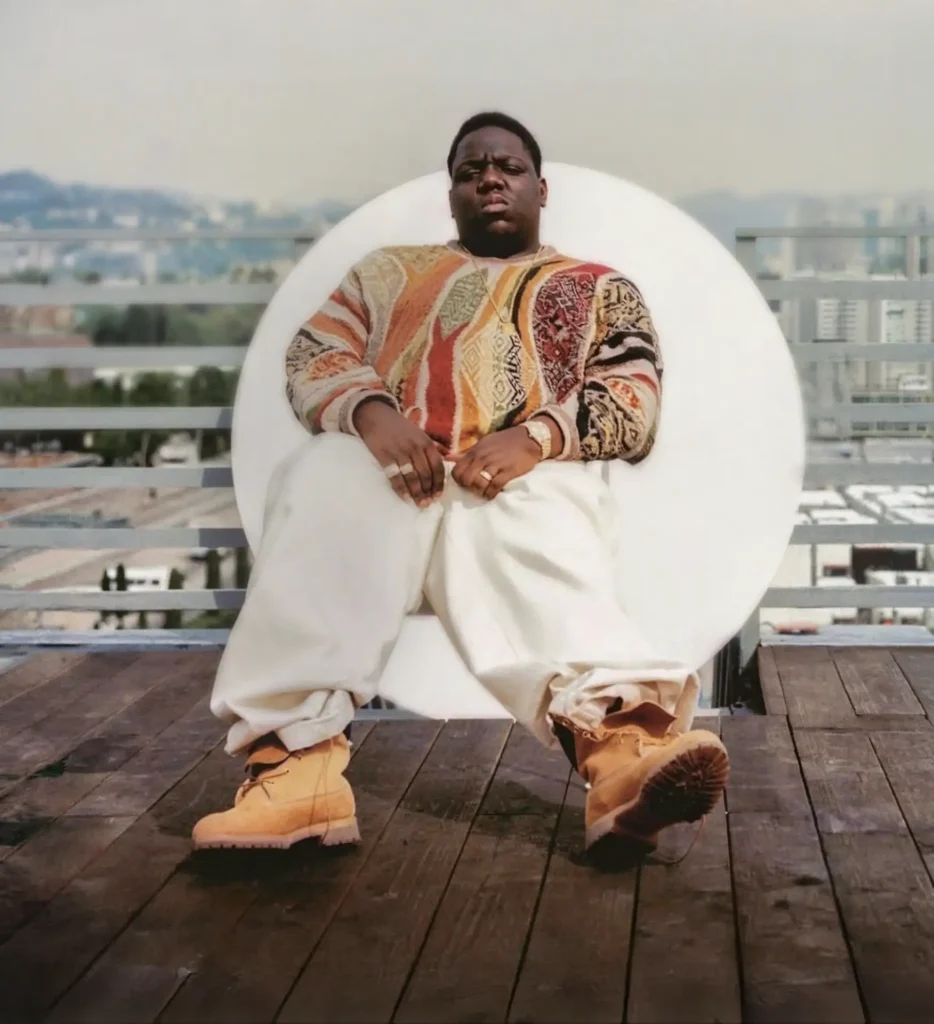
The key point is that Timberland never set out to create a hip-hop shoe. Hip-hop made the boot its own. Artists and their communities took something rooted in American workwear and craftsmanship and transformed it into a symbol of identity, status and self-expression. And perhaps that’s the purest form of authenticity: not something a brand can manufacture, but something a culture chooses to embrace.
Still, Timberland’s role as a cultural icon doesn’t stop in New York. Across the Atlantic, the brand found another natural home in London, where its style was adopted by a generation of ravers, musicians and creatives rewriting the city’s style codes.
As British club culture exploded through the 90s and early 2000s, Timberland became part of the uniform. From jungle and garage to grime, the boot offered something that London’s nightlife demanded: hard-wearing practicality without sacrificing style.
London style has always been about irreverence, a blurring of genres shaped by a metropolis of fashion rule-breakers. Here, tracksuits, denim and oversized silhouettes collide with tailoring, subculture and streetwear, creating a style language that refuses to play by the rules.
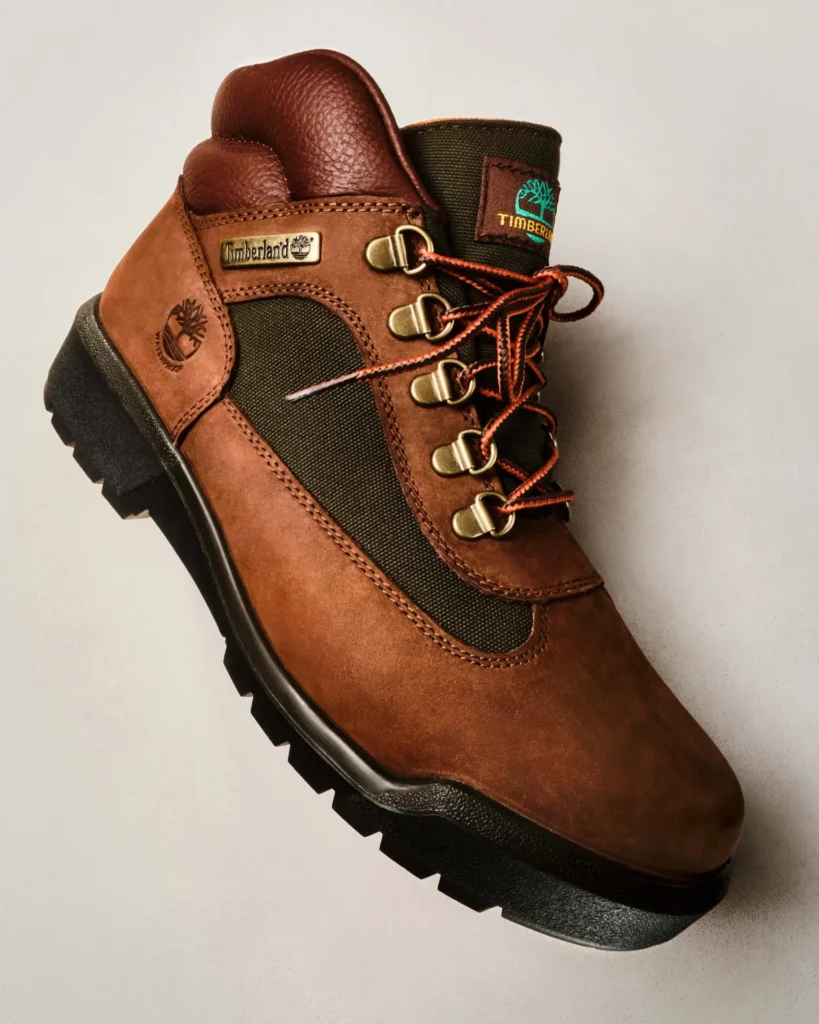
In London, the 6-Inch Boot took on a distinctly British character, becoming as at home on the dancefloor as it was on the street. That same versatility can be seen in styles like the cross-terrain Euro Hiker boots for men and women, which take their cues from classic hiking boots but feel just as at home in the city. Blurring the boundaries between town and country, it proves that outdoor-inspired design doesn’t have to stay outdoors.
But London’s relationship with Timberland has always been about more than simply wearing the boot. Much like hip-hop before it, the city’s creative communities understood that even the most recognisable pieces could be reinterpreted. For the brand’s ICONIC campaign in 2024, Timberland tapped UK talent across the creative spectrum, including supermodel Naomi Campbell, poet and musician Kai-Isaiah Jamal and multi-disciplinary artist Slawn. Because being iconic doesn’t mean being untouchable. Timberland knows its enduring appeal lies in its ability to evolve with whoever wears it.
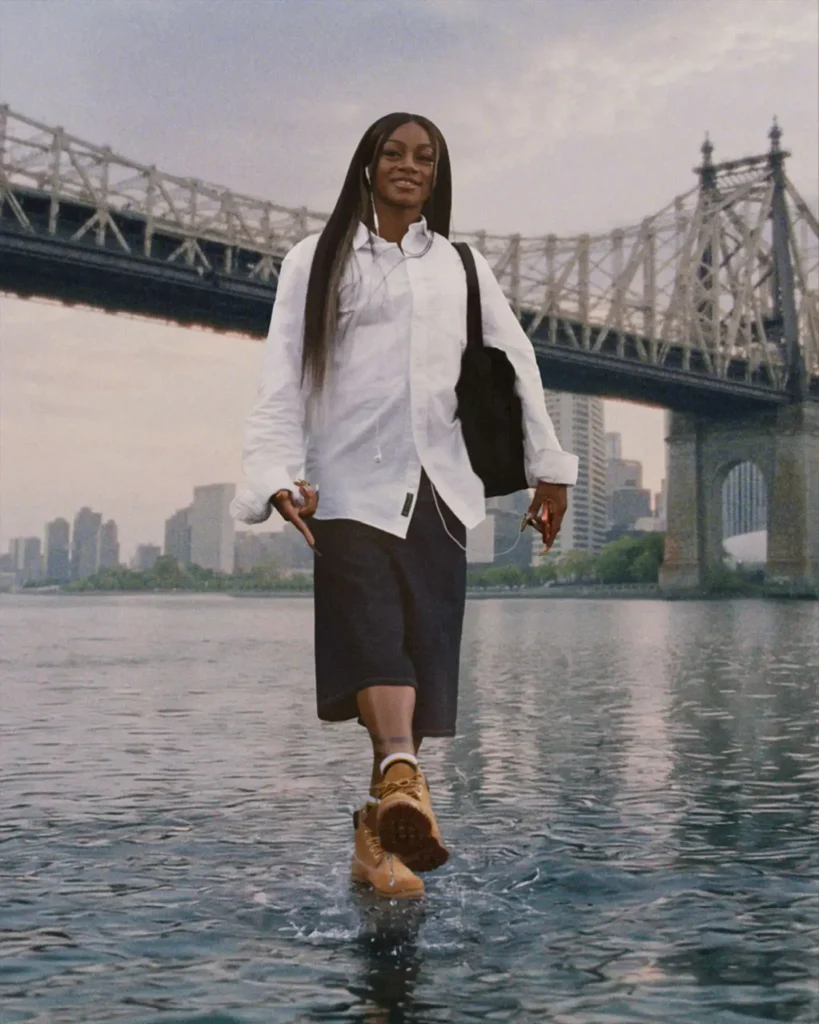
For the Big Smoke’s designers and artists, Timberlands have become something of a creative canvas: a familiar silhouette that can be deconstructed, exaggerated and transformed. Skepta put his own spin on the icon when he reimagined Timberland boots for his MAINS fashion show, bringing the classic silhouette into his vision of contemporary London menswear.
Lagos-born, London-based artist SOLDIER puts his own wild spin on the classic with The Tiger, reimagining the iconic 6-Inch Boot in bold camouflage stripes. With its militaristic pattern and unmistakable silhouette, the design transforms the rugged workwear staple into something artistically expressive.
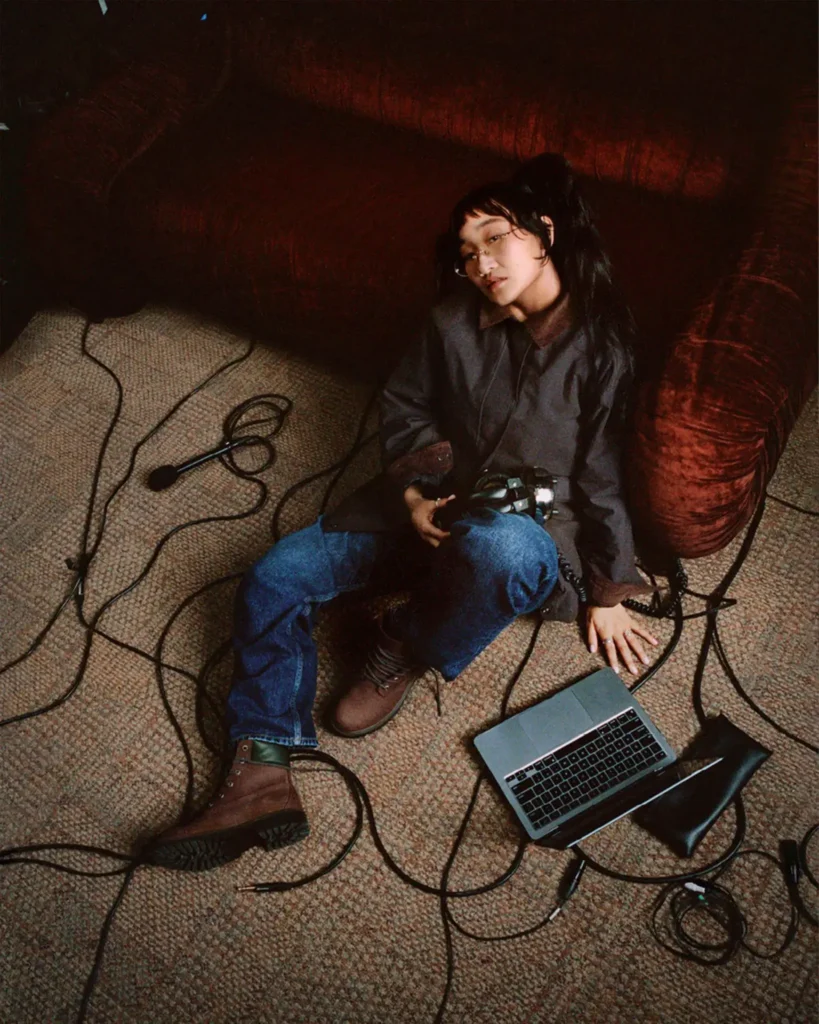
It’s this ability to cross boundaries that makes Timberland so enduring in London. The same boot can mean something entirely different depending on who is wearing it. A raver heading to a warehouse party, a grime artist stepping onto a stage or a designer turning it into something altogether unexpected.
And that’s the secret to Timberland’s longevity in the capital. London has never been particularly interested in following the rules of dressing; it would rather rewrite them. The Timberland boot simply gives it something worth starting with.
For more than five decades, Timberland has continued to innovate and refine, evolving its iconic silhouettes while finding new relevance with each generation of creative visionaries.
And that influence has always stretched far beyond one genre. From Ozzy Osbourne stomping around in his 6-Inch Boots to today’s boundary-pushing musicians and artists, Timberland has become a fixture across music’s many subcultures.
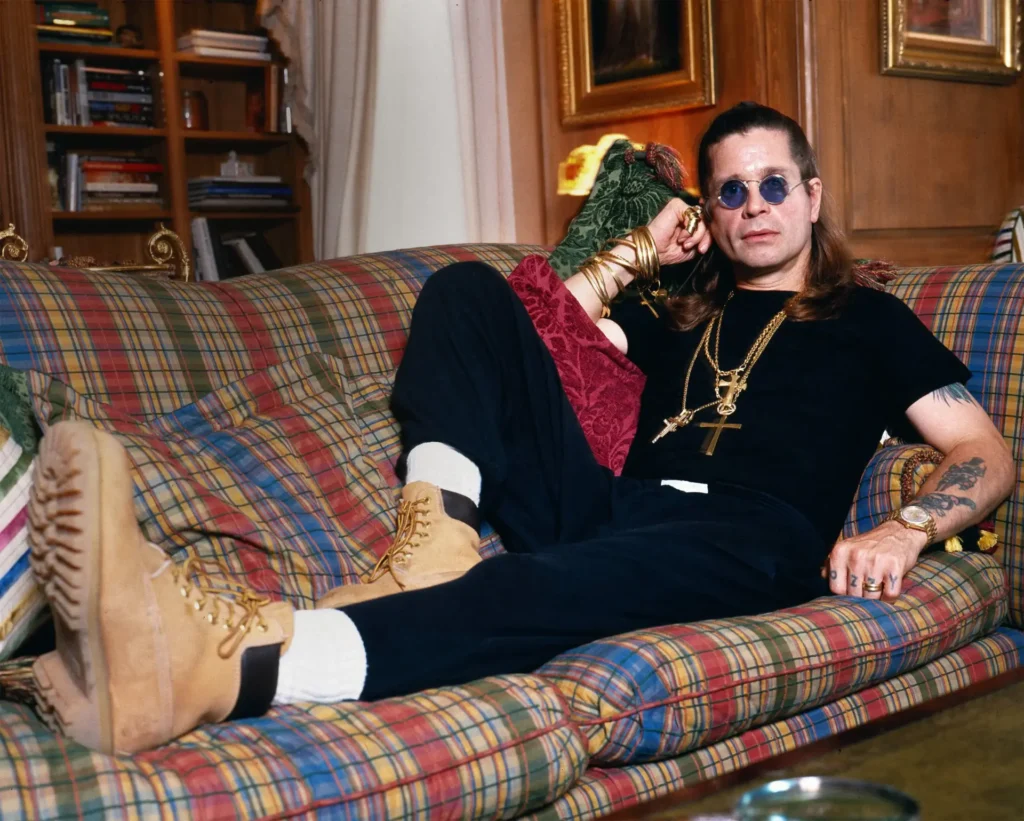
Now, Timberland is looking to the future with a campaign that brings its past and present together. Pairing archive imagery with a series of new portraits, it explores not just the enduring appeal of the boot, but the people, ideas and creative movements that continue to give it new meaning.
Among them is Yaeji, whose genre-defying approach to music and style feels perfectly in step with Timberland’s own restless spirit. Because if the past five decades have taught us anything, it’s that the most enduring icons are those that leave room for reinvention. The boot may be instantly recognisable, but what it represents is always changing.
Discover The A to Z of Timberland at timberland.com.