
Polestar’s new Formula 2030 concept previews the future of its electric cars
The concept is the first show car developed under the leadership of the Swedish brand's head of design Philipp Römers
By Callum Wells
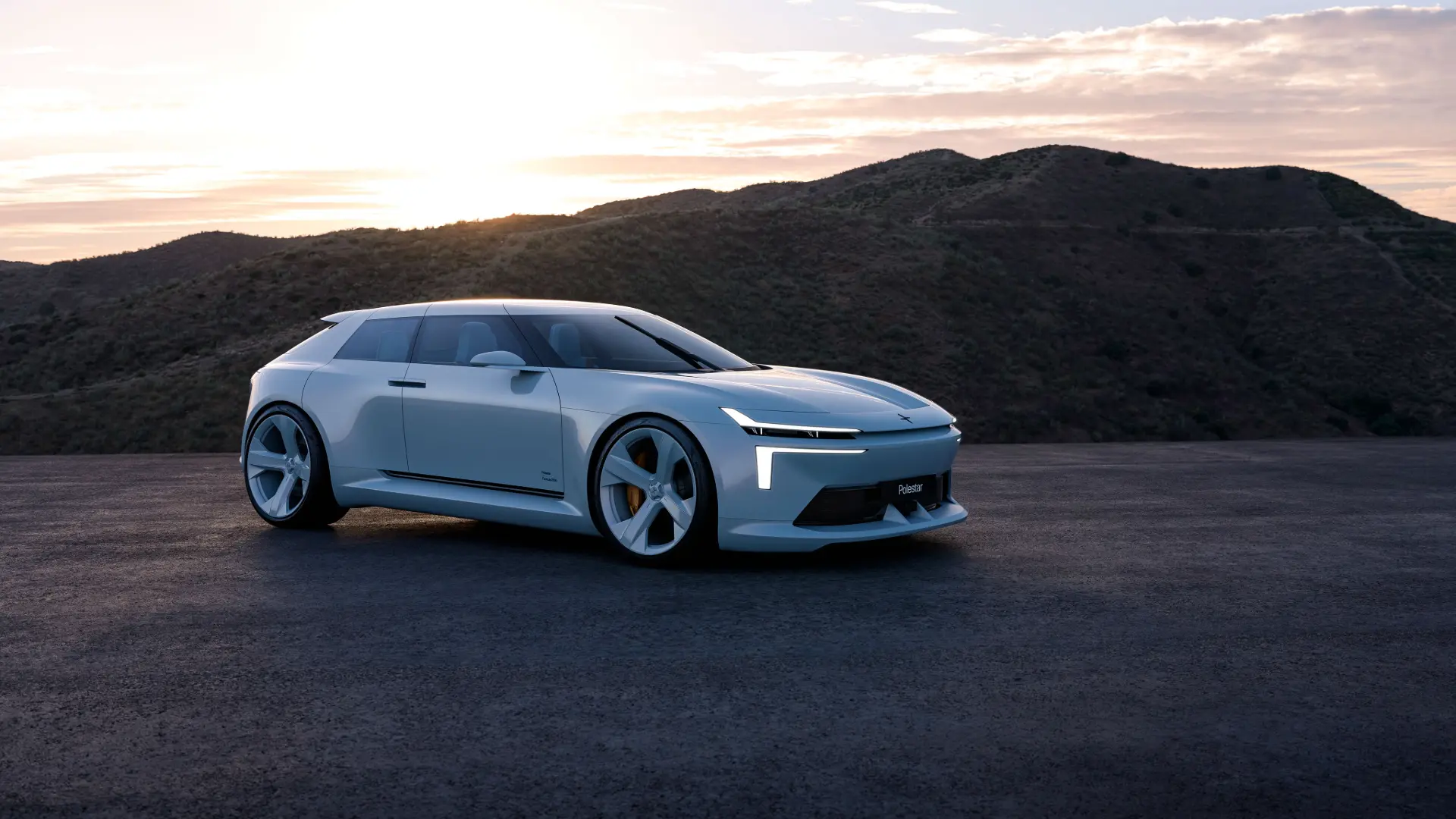
Polestar has unveiled its Formula 2030 concept car, offering a first look at the future design direction of the Swedish electric performance brand.
Revealed today (10 November), the concept is the first show car developed under the leadership of head of design Philipp Römers.
Although the Formula 2030 is a concept rather than a production model, several of its design features are set to appear on future vehicles, including the next-generation Polestar 2, planned for 2027, and the forthcoming Polestar 7.
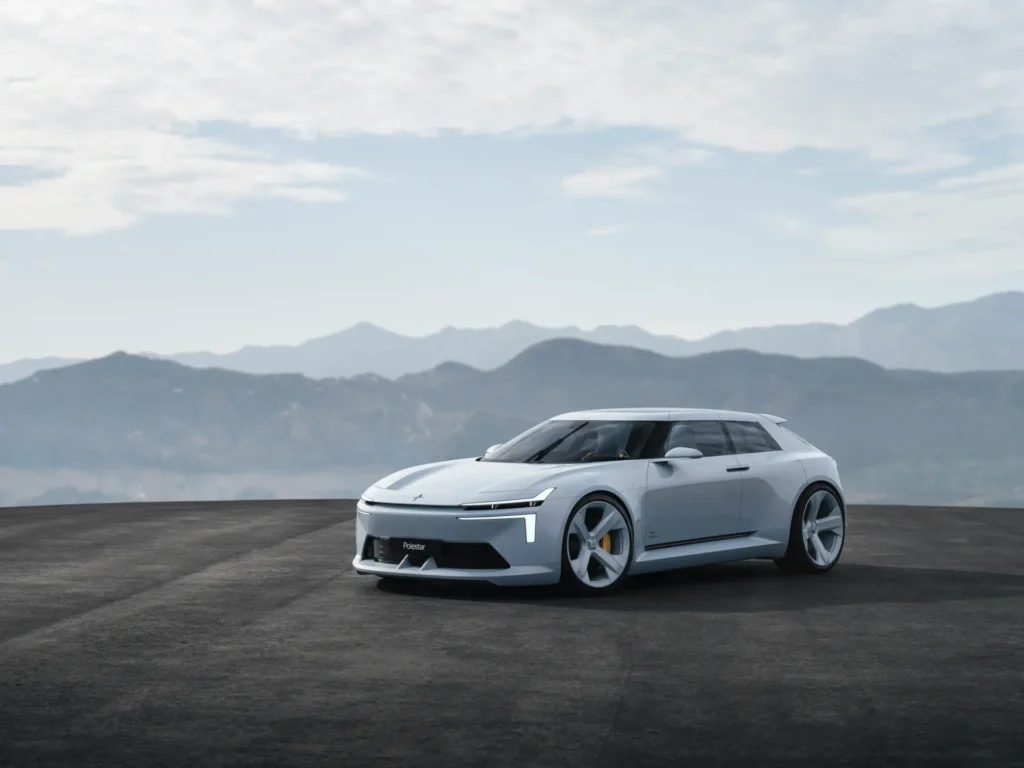
The four-door sports car measures 4,680mm long, 2,021mm wide and 1,350mm tall, with a 2,780mm wheelbase. Its exterior features a long bonnet, short overhangs, pronounced rear haunches and 22-inch wheels, creating a low-slung silhouette designed to emphasise performance.
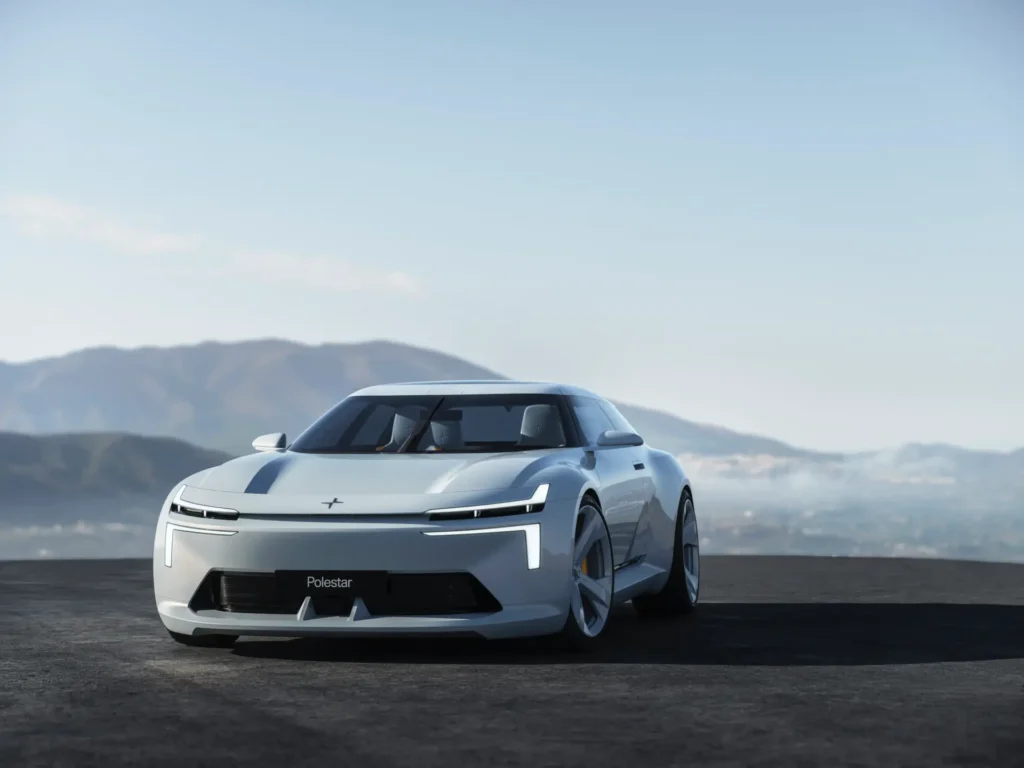
At the front, the concept introduces Polestar’s Dual Blade headlights, which preview the styling of the next-generation Polestar 2. The headlights are integrated into an aerodynamic front wing, alongside a shark-nose design and deep front splitter.
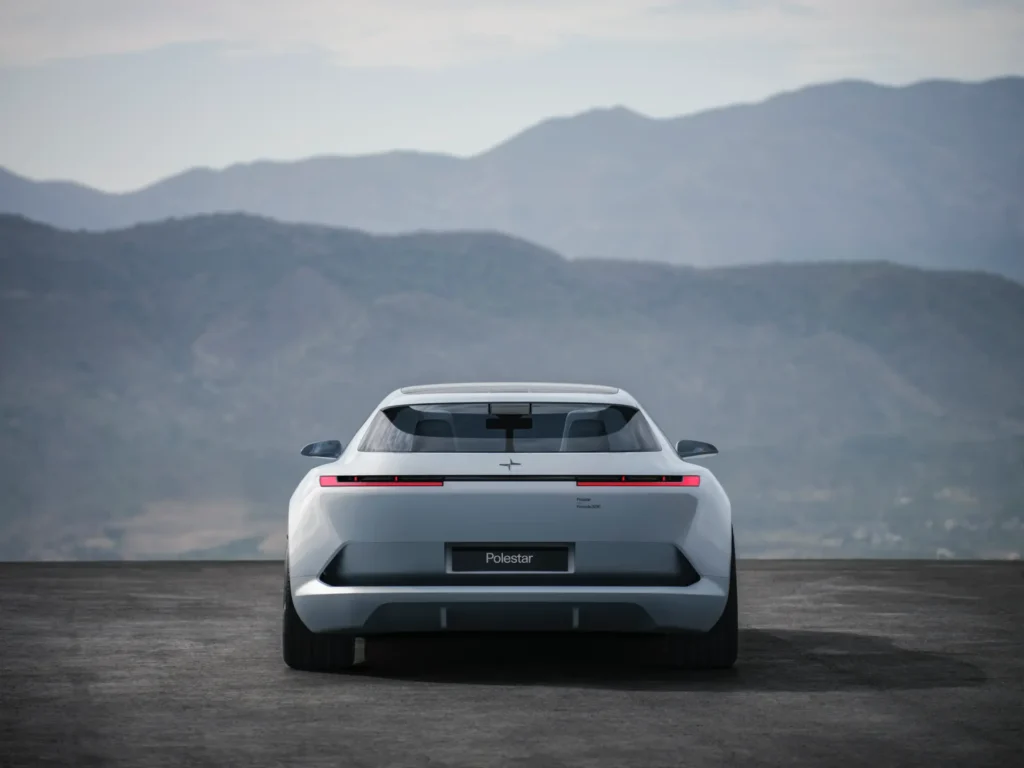
At the rear, Polestar has replaced its familiar lightbar with a new Single Blade lighting signature, which is also intended to influence future production models.
Römers said: “Design should always reflect the values and mission of a brand and that is exactly what we did with Polestar Formula 2030 concept.”
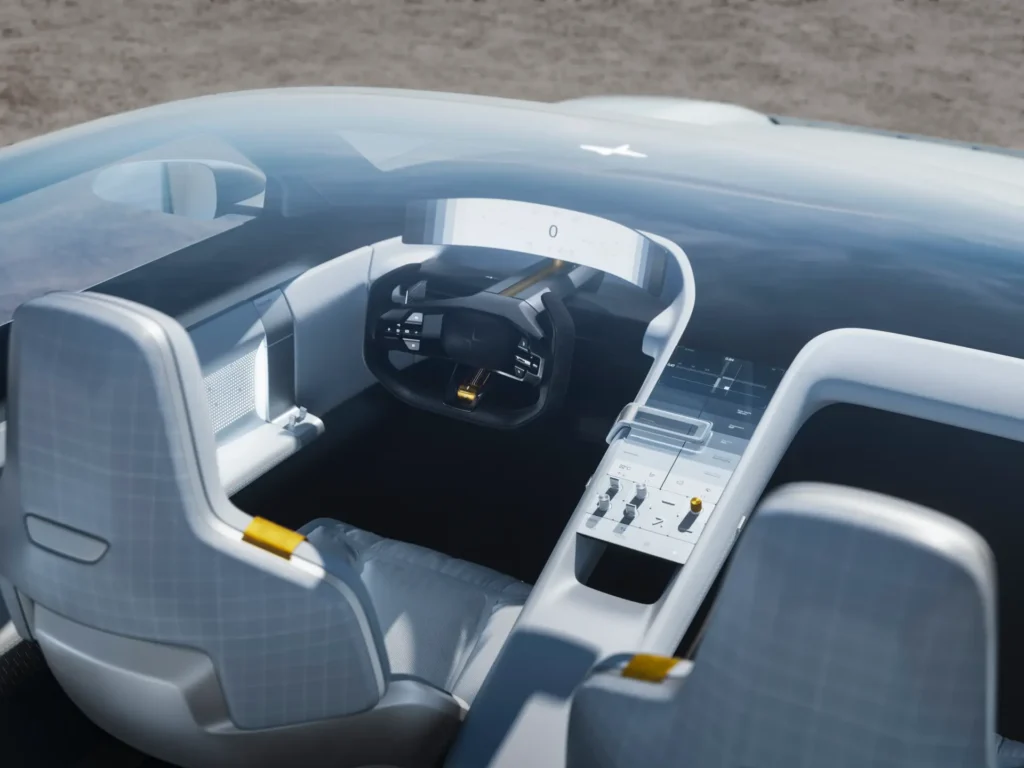
Inside, the concept features a driver-focused cockpit with a curved 20-inch Driver Information Monitor mounted to the steering column and a 12.2-inch central display.
The cabin includes four individual seats with inflatable bolsters and cushions designed to adapt to each occupant. Drivers can choose between Performance, Normal and Autonomous modes, with the seating position, steering wheel and central display adjusting accordingly.
Polestar has also introduced eight customisable physical controls beneath the central screen, allowing drivers to choose between different switches and rotary controllers. Google Gemini is integrated into the infotainment system, providing a conversational voice-controlled experience.
Sustainability is another key part of the concept. Materials include bio-based composites made using European flax and bio-based polypropylene, while structural components incorporate low-emission galvanised steel produced using recycled materials and renewable energy.
Its exterior is finished in the newly-introduced Nitrogen, designed to react to natural light. Swedish Gold detailing features across the brake calipers, seatbelts and interior.
The Formula 2030 concept made its global debut during a recent media drive of the Polestar 4 SUV, which also influenced its design.
Polestar currently has five models in its line-up: the Polestar 2, 3, 4 coupé, 4 SUV and 5. The brand plans to introduce a successor to the Polestar 2 in 2027, followed by the Polestar 7 compact SUV in 2028.