
‘We became the underdog’: backstage at ‘Saturday Night Live UK’, the show that electrified British TV in 2026
Announced to a particularly British reception of scepticism at the start of the year, ‘Saturday Night Live UK’ has proved a triumph in 2026, ushering in a brilliant new age of vital British television
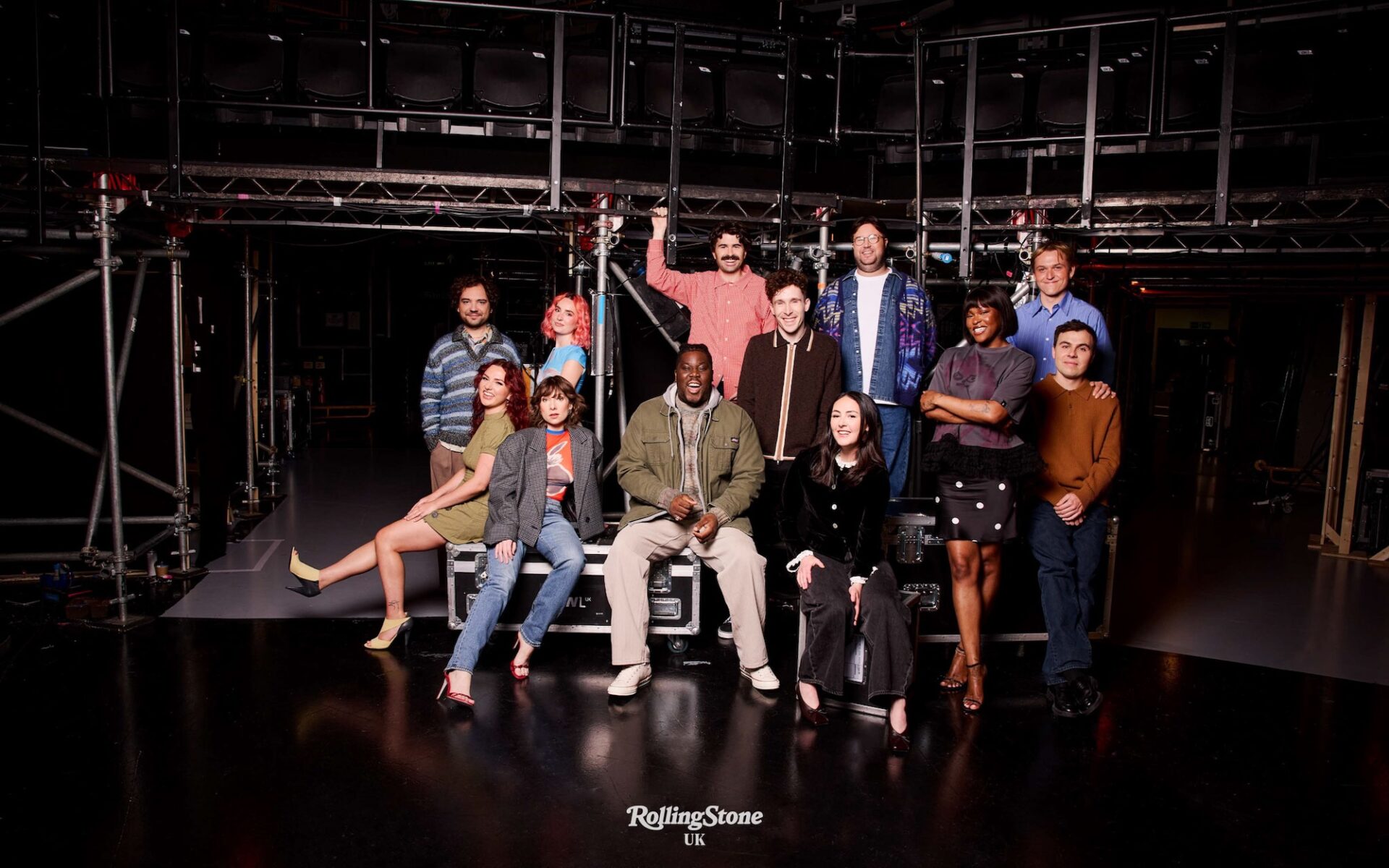
Rolling Stone UK arrives at London’s legendary Television Centre on a Monday morning in October, and we’re told we need to be quick. For the past eight months, the main studio in this storied building has been home to Saturday Night Live UK, the long-touted British take on the New York late-night TV institution.
It’s the week of the final show of 2026, and in a few hours the cast will meet this week’s host, the inimitable Cynthia Erivo, and make an entire TV show from scratch with her in the next six days. The slim timeframe we’re given feels entirely reasonable.
Featuring 12 of the best and brightest new faces in British comedy and acting, alongside a stellar cast of writers and producers, SNL UK has been making headlines all year. The first of them revolved around pessimism or sheer bafflement that this show was being launched; the majority of the rest have focused on the triumph it has become. It is in recognition of this that it is the winner of The Television Award, supported by ZYN, at the ZYN Rolling Stone UK Awards 2026.
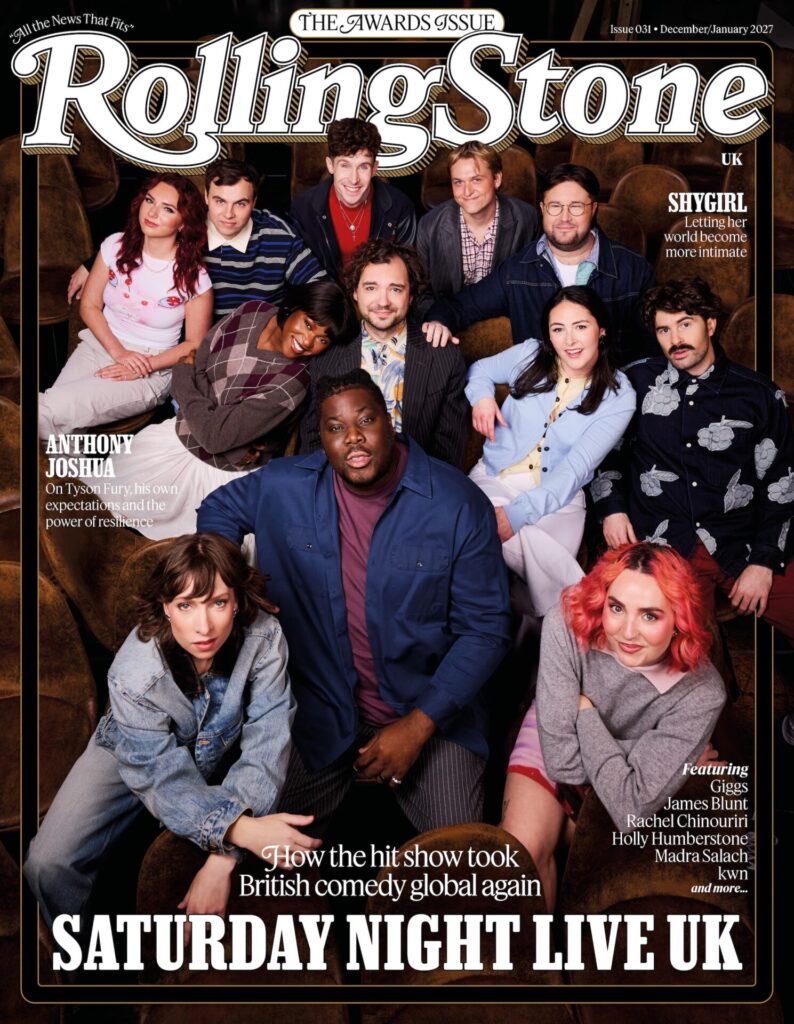
In the short amount of time since its first episode aired back in March, SNL UK has become appointment viewing, with comments sections online flooded with variations on the same theme: “Oh, this is actually good.”
Upon its announcement, though, people thought it would be far from good, and not totally without reason. Transatlantic remakes of successful and beloved shows have largely fallen flat, whether it’s painful American attempts at Peep Show or The Inbetweeners, or a previous unauthorised UK attempt at SNL called Saturday Live, which launched in 1985 and failed to catch fire.
“Everyone assumed SNL UK would be bad because most modern attempts at those sorts of things over here are bad,” Jamie Demetriou, host of a standout season two episode in October, tells Rolling Stone UK. “The show disproving that assumption is fucking exciting.”
“We were definitely made aware of the cynical audience before it started,” cast member and Scottish stand-up comedian Larry Dean says from the studio benches. As we speak, his castmates are being cycled through Rolling Stone UK photoshoots and video interviews downstairs with the type of military precision that they rely on come Saturday night.
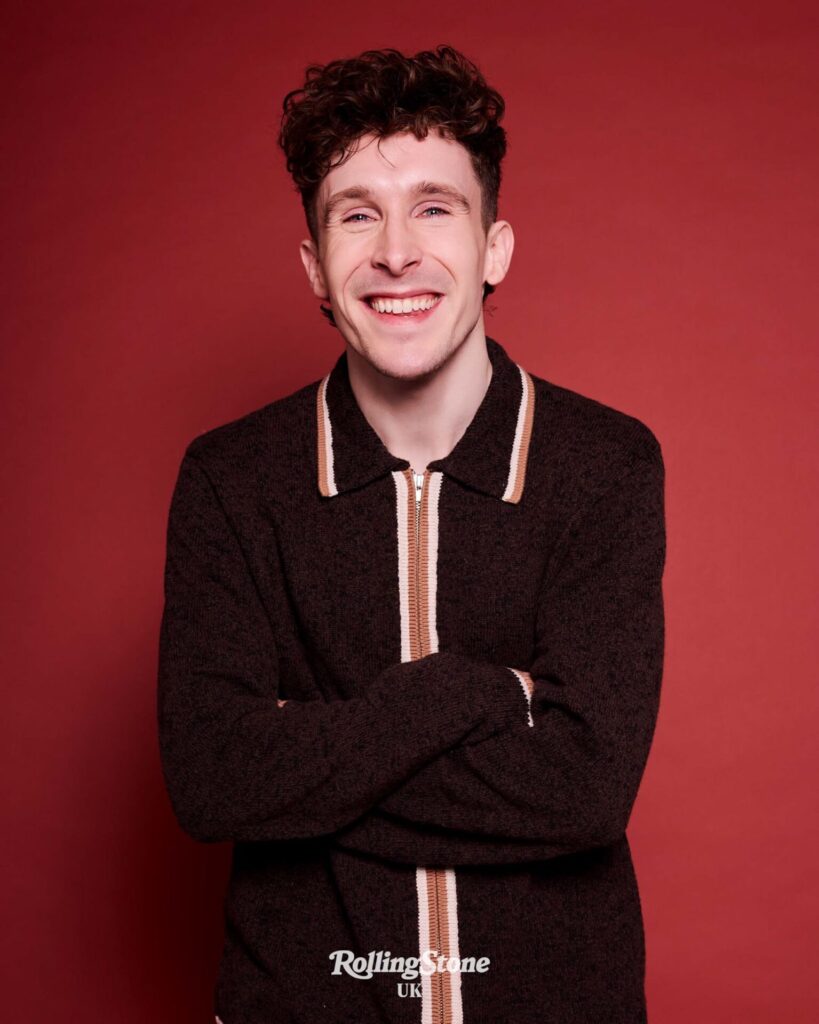
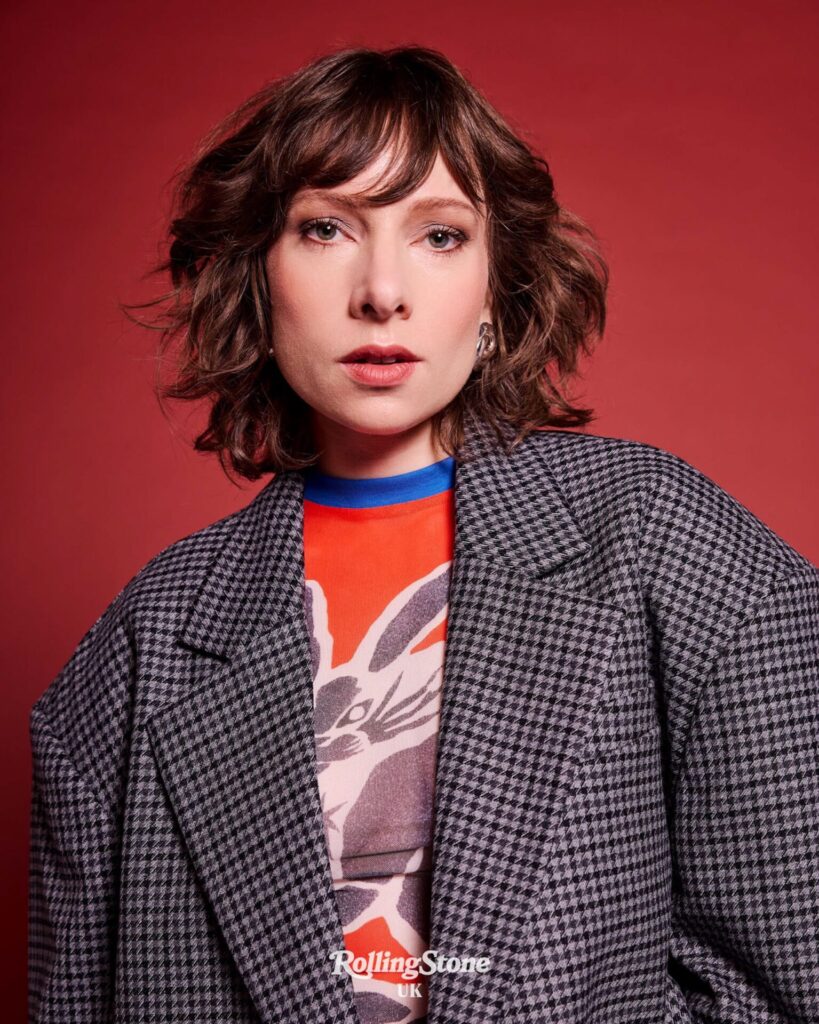
Fellow cast member Celeste Dring describes her reaction to the frosty response to the launch of SNL UK: “We were in workshops before we started, finding each other so funny and really enjoying each other’s company. It was so exciting that it almost felt jarring that people were being like, ‘This is going to be shit.’ At the moment, we’re getting paid to have fun and make the best work that we can. Why would we ruin it by worrying about that stuff?”
While there is a natural and very British inclination against anything too shiny and overtly American, doubts about SNL UK’s ability to develop its own identity away from the US show now seem somewhat laughable after a season and a half. “We had so many interviews at the start asking, ‘How are you going to give it a British twist?’” says Paddy Young, one of the hosts of the show’s Weekend Update segment. “Well, we’re British. We can’t help it! It’s like if films had only ever been made in America. ‘How are you going to make a film made here British?’ It’ll be a British film.”
“As a writer, to get your idea made in this industry is virtually impossible. [On SNL UK], even if you have a half an idea, it’s taken so seriously and it could be in the show on Saturday.”
Freddie Meredith
After acknowledging the negative reaction to the show’s announcement, the cast spent their first weeks together in deliberate isolation from any outside noise or opinion. “We thought, ‘What’s the best thing to do this week? What’s the thing that’s going to be the funniest for the audience in here?’” Dean recalls.
For Jack Shep, the cast member and TikTok comedian who gave the show its first viral moment as Princess Diana in the opening episode, the cynicism around the UK launch has ended up working in their favour. “We became the underdog,” he says, “and if there’s one thing that British people love more than hating something, it’s repping an underdog.”
Across its first 14 episodes (the show is currently on a three-month break between six-episode “blocks” of its second season), SNL UK has harnessed its underdog status and blossomed into a superb show and an advert for dynamic British comedy. Often mixing high and low culture (Victoria and Albert in Berghain; Shakespeare on a Lime bike with a “c**ty little earring”), the show is plugged into current cultural touchpoints but also unafraid to go completely off the wall (see a full-length remake of an unintentionally terrifying advert for British pork from the 1980s).
Creasing his way through that particular sketch was George Fouracres, the Black Country actor who has become the show’s standout star. Announcing himself by actually managing to make the beige Keir Starmer funny, his 45 Seconds with Fouracres segment then harked back to the uninhibited and absurd heyday of British comedy with the immortal song/sketch, ‘What kind of Irish is your grandad?’.
When I ask Fouracres about developing this exaggerated version of himself for the screen, he laughs and calls the wording “extremely flattering”, clarifying: “It’s genuinely what I’m like. I’m quite a lot, and generally a sort of strange nightmare. That leaking out on stage can be a catharsis in some respects.”
“That’s why a lot of your stuff works though,” cast member and online comedian Al Nash tells him. “There’s an authenticity to it. People can really tell when something is authentic and comes from a real place. People really connect to it in that way, rather than just like, ‘I’m being kooky for no reason.’”
For Fouracres, the real task is to rein it in and be the “normal” one in a sketch. “I’ve still never mastered that, and now people just don’t ask me to do it anymore, which I think is very wise,” he laughs. “I’m trying to work on being a better normal guy. I’m not having much luck.”
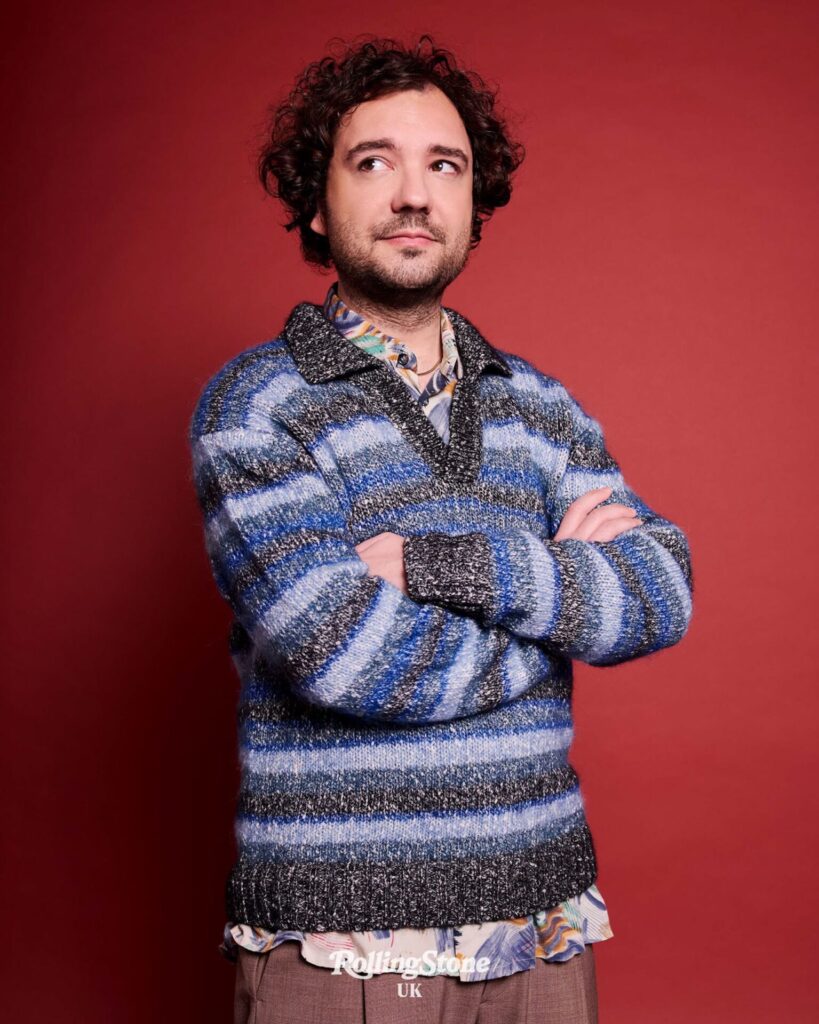
While season one saw the show finding its feet, the latest batch of episodes have seen it enter an unstoppable groove. Its best sketches home in expertly on minute specifics, most notably a 2000s boyband parody performing the irritatingly catchy song ‘Older and Wiser’. The tragic death of a member, drug problems, illegitimate children, stereotyping of its queer and Black members, host Danny Dyer “fighting Duncan from Blue” and plenty more pitch-perfect stereotypes from the era are all ticked off.
A parody of The X Factor on an earlier episode manages to nail its specifics so well that it succeeds without containing a single punchline, while the show’s crowning glory so far comes in the final week, with Erivo and razor-sharp cast member Ayoade Bamgboye starring in a ludicrously entertaining Nigerian take on Wicked.
“We became the underdog, and if there’s one thing that British people love more than hating something, it’s repping an underdog.”
Jack Shep
The show’s larger body of work has also allowed it to develop a self-referential quality across season two as the cast become better known to their audience. Through recurring characters (Shep’s nightmarish “dating expert” Scrimpch), acknowledgements of the online lore and shipping of Weekend Update hosts Young and Ania Magliano, and Fouracres admitting on screen that he wrote himself into a sketch simply because it was his birthday and he didn’t have much screen time that particular episode, a satisfying deeper narrative is beginning to emerge.
“There’s a textural quality to it,” writer and actor Emma Sidi agrees. “There are Easter eggs everywhere – if you can be bothered to get into it, it’s there for you.”
Despite this, Shep says the meta commentary only makes the show “if we feel like the joke is strong enough,” adding: “We definitely don’t want to be patting ourselves on the back too much.”
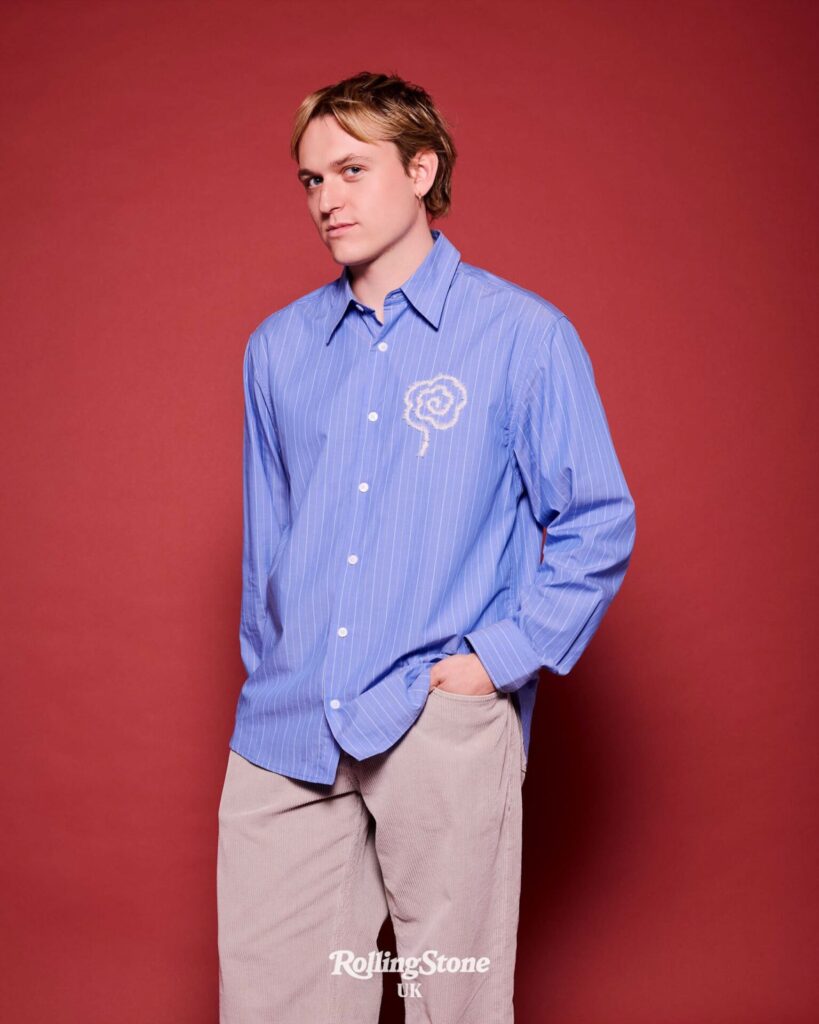
Evidence of SNL UK’s growing footprint and beloved status was seen in costumes people put together for Halloween, a quick and accurate temperature check of the biggest and most buzzy cultural touchpoints of the moment. In the days following 31 October, the internet was littered with couples dressed as Magliano and Young in their Weekend Update uniforms, and even more who had recreated Bamgboye and Erivo’s characters from Nigerian Wicked.
Though SNL legend Tina Fey was the host of the UK show’s first-ever episode, it was only in the fifth episode of season two that the US and UK shows collided again. In the episode’s cold open, Fouracres (as Andy Burnham) and new cast member Freddie Meredith (Volodymyr Zelenskyy) were joined by SNL alumnus James Austin Johnson to give his notorious Trump performance.
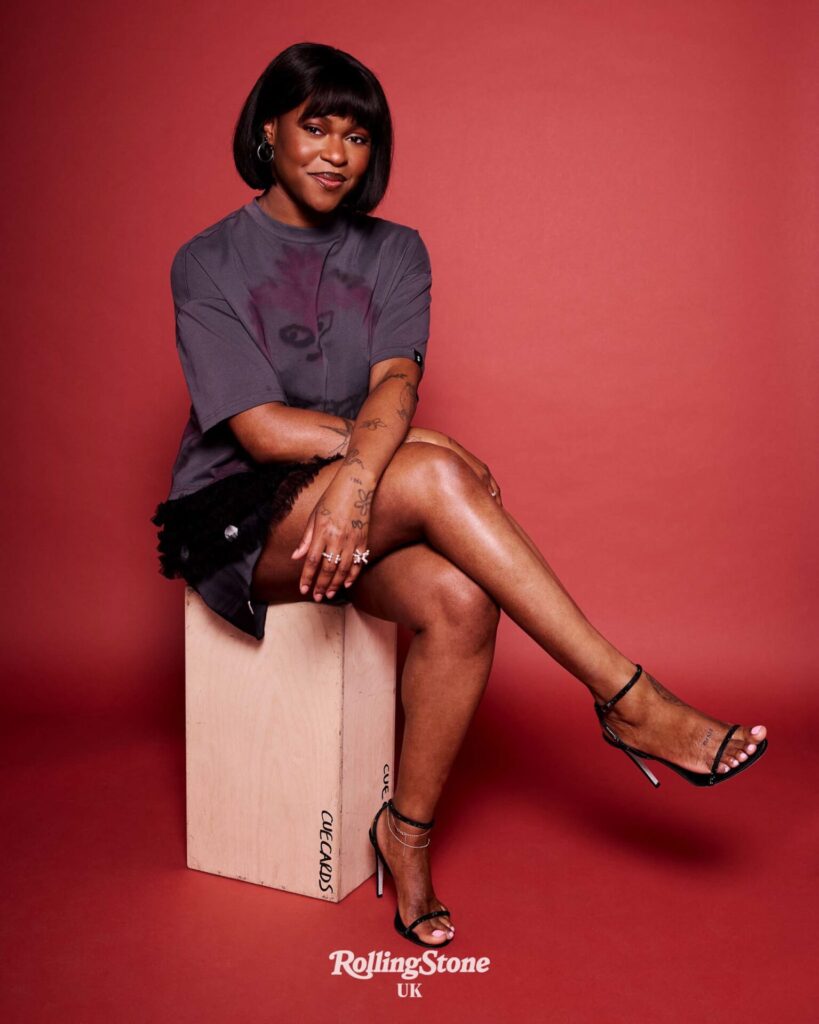
“It’s such a gift to get to collapse those two worlds into one,” says Bamgboye, whose background is in stand-up comedy. “It’s a luxury to have these two things that exist alongside each other, and at certain points can then overlap.”
“It’s a way of breaking new ground,” Dring agrees. “There’s a third thing now – there’s US SNL, there’s SNL UK, and then there’s a cross-pollination between the two, which is a totally new thing.”
This combination of the two shows, alongside the self-referential nature of SNL UK itself across season two, points towards a rich and deep well of possibilities for the future of the show. “I imagine it’s what people who like Marvel are into,” Magliano says with a grin, ushering in the age of the SNL cinematic universe.
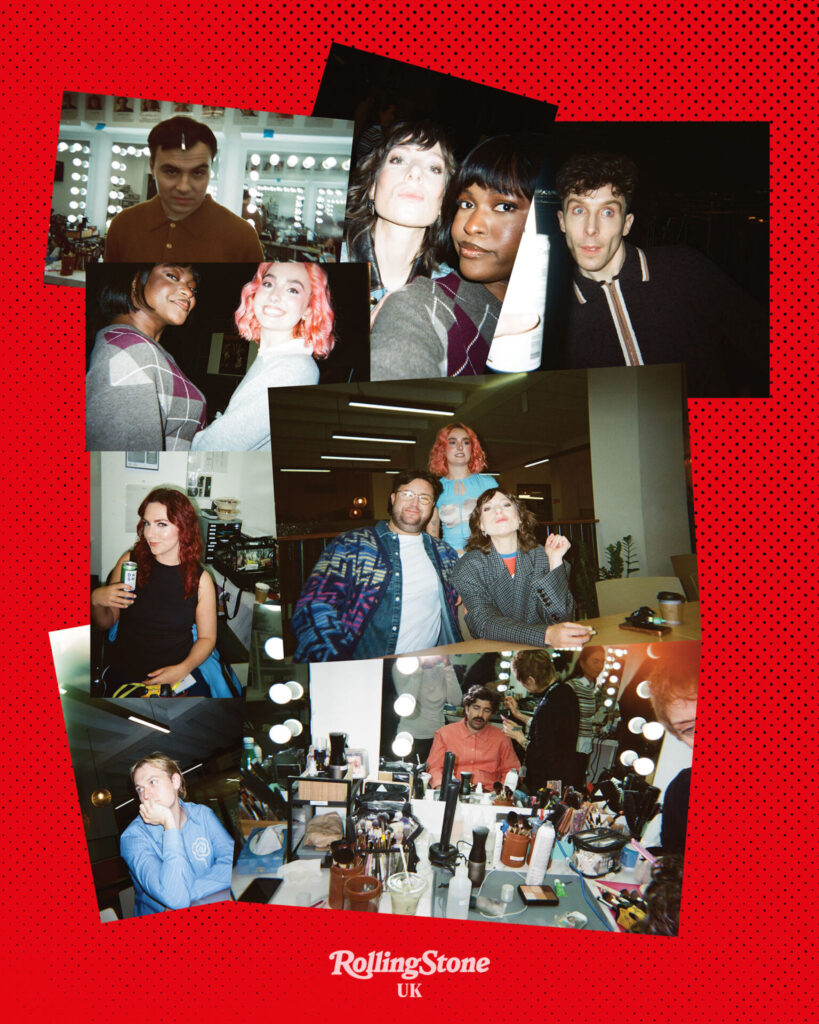
When the cast of SNL UK was announced, the usual suspects of Millennial British comedy and TV panel shows were notably and refreshingly absent. The casting has given an enormous platform to a new and diverse generation of comedians, actors and writers. Some (Shep, Nash) made their name through online sketches, some as stand-ups (Bamgboye, Meredith, Young, Magliano, Dean), while Fouracres came from the world of Shakespeare, and Annabel Marlow was a stand-up comedian, singer and actor.
There are some familiar faces among them – some may recognise Magliano from Taskmaster, or Hammed Animashaun from the BBC’s excellent sitcom Black Ops. For others, it represents an unexpected second chance at comedy. Dring singles out herself and Fouracres – both in their late thirties – as having “done Edinburgh Fringes and sketch groups and then hit that wall development-wise”.
“Everyone assumed SNL UK would be bad because most modern attempts at those sorts of things over here are bad. The show disproving that assumption is fucking exciting.”
Jamie Demetriou
Such diversity of disciplines makes SNL UK a more rounded product, but also suits its dual purpose as a 75-minute TV show, as well as a series of sketches posted onto the internet stripped of context. Many viewers – especially those outside the UK – will experience the show through these disembodied clips, but the narrative and Easter eggs are also there for weekly viewers.
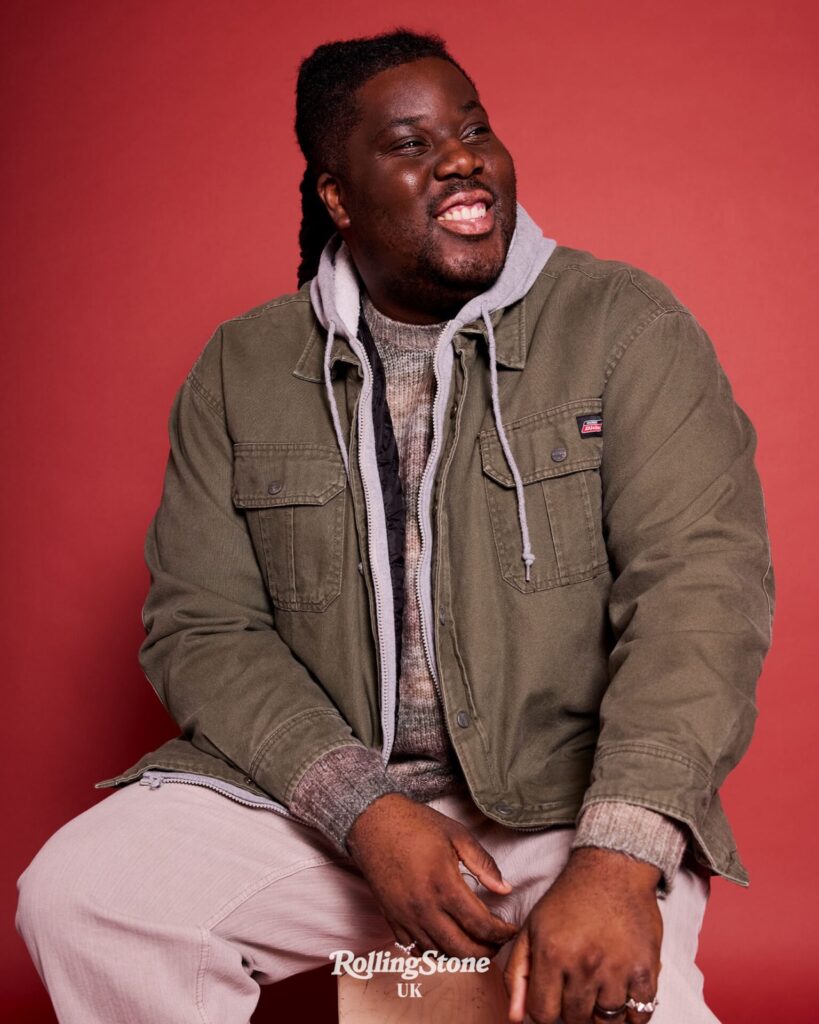
Moon.
Despite being born into a social-first world, the cast insist that the show’s performance online won’t define its success or failure. “There’s this [perception] that an online reaction to something is an automatic litmus test of taste or reaction,” says Shep, “but the beauty of the sketch show is that not everything is going to be for everyone. It’s designed to be water-cooler talk.”
“There is a freedom to not have [to worry about] likes,” Sidi agrees. “Of course, there are likes when stuff comes out, but it’s not all determined on that number being as high as possible.”
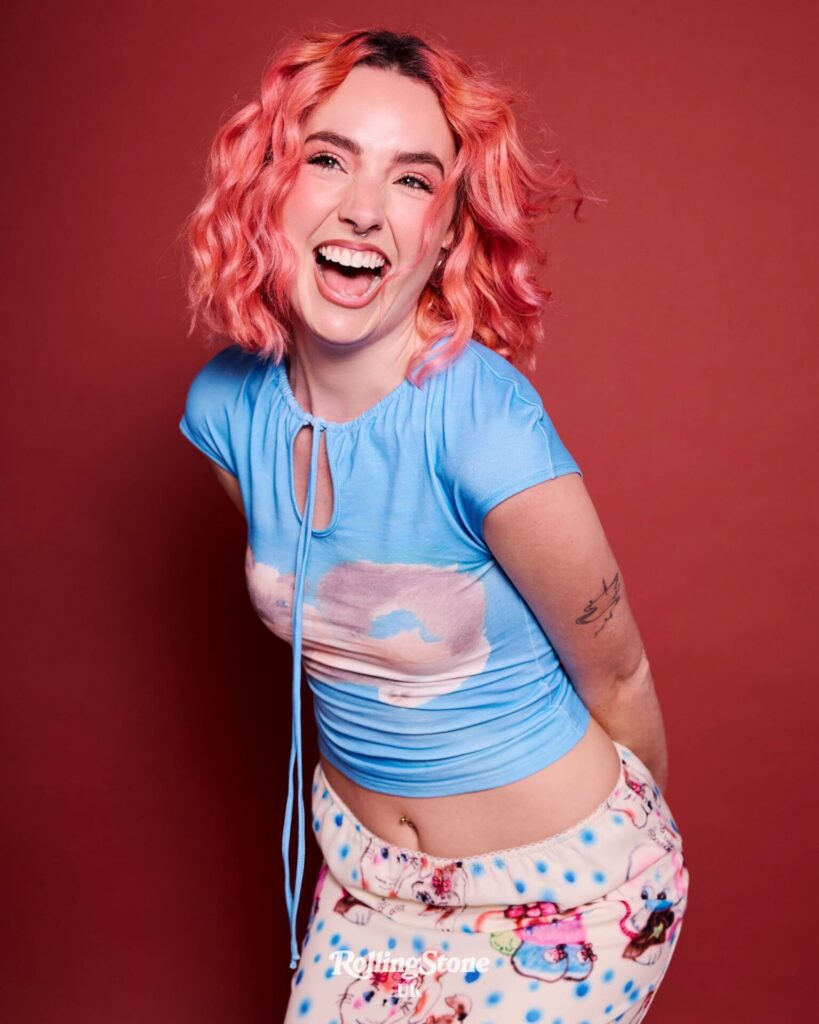
Moon (Picture: Eva Pentel for Rolling Stone UK)
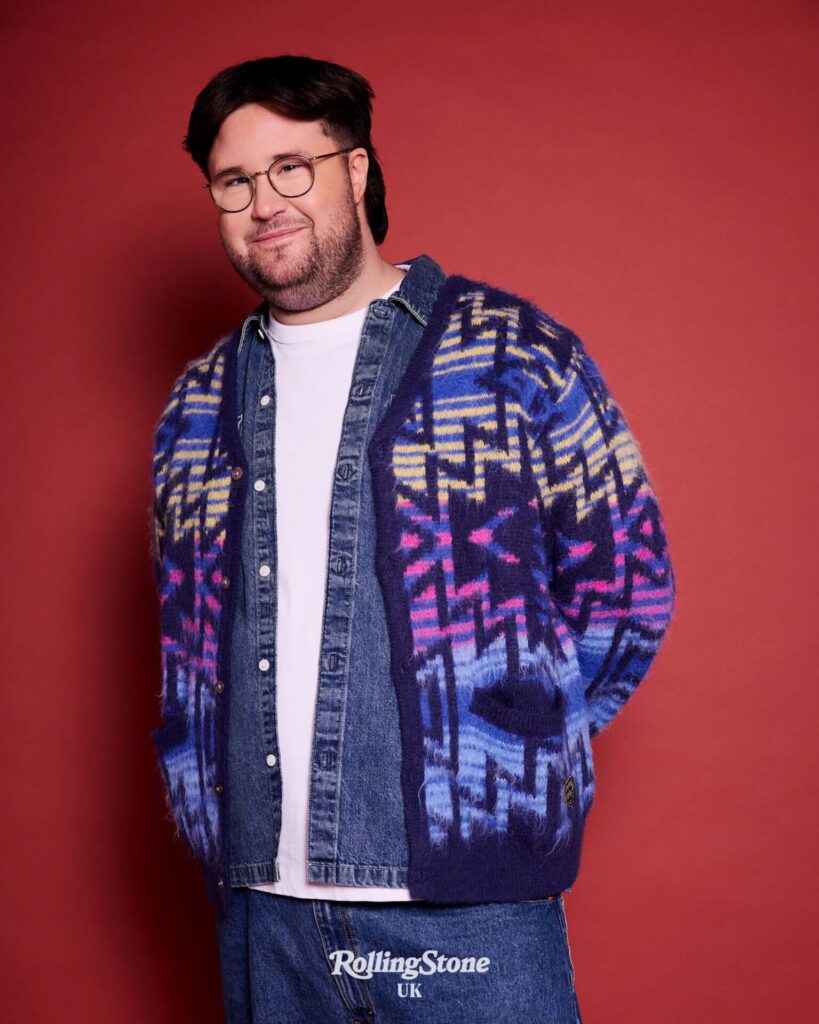
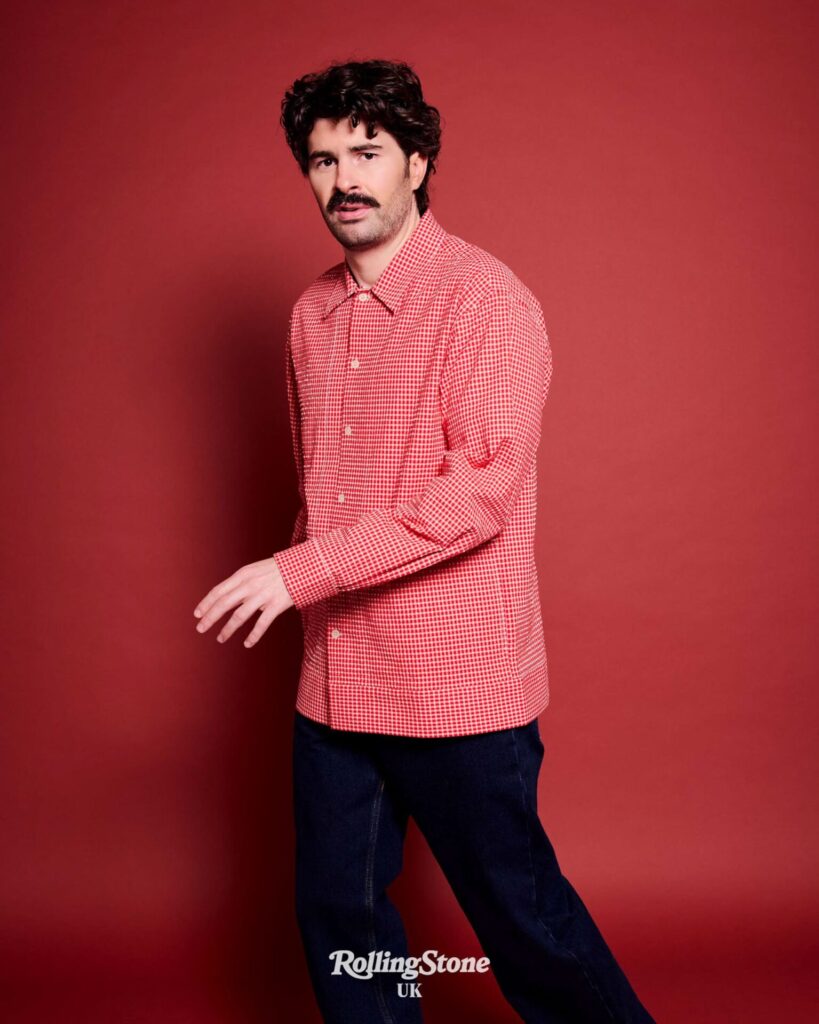
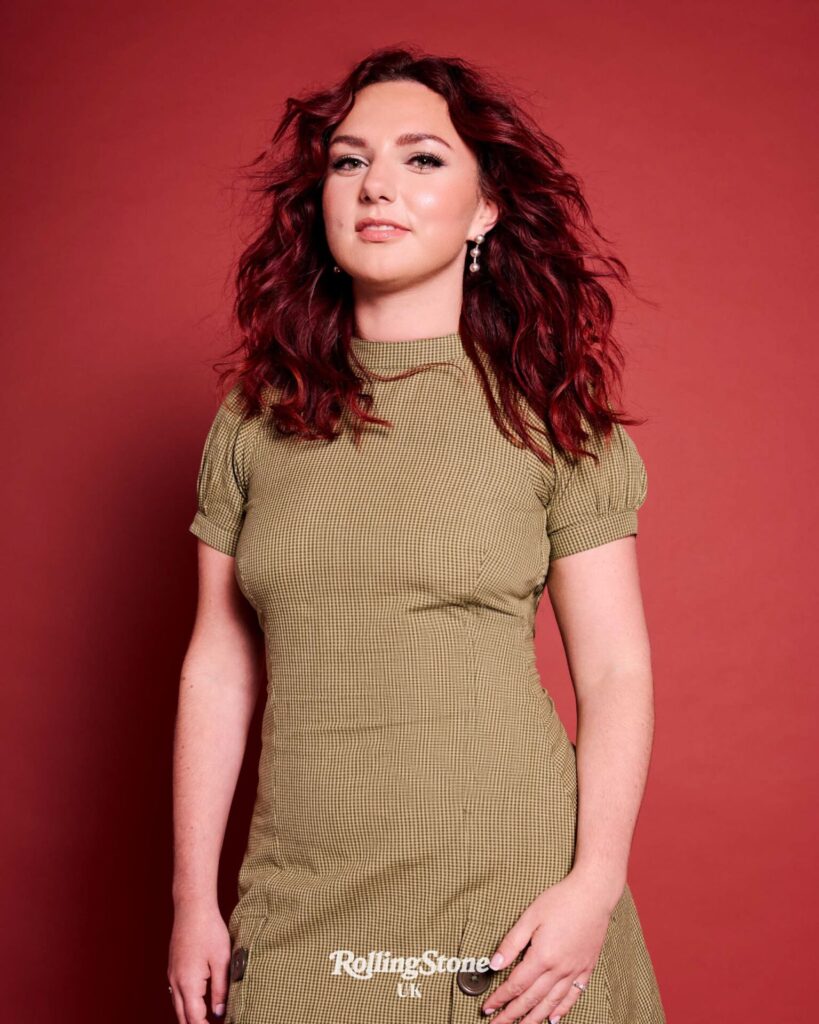
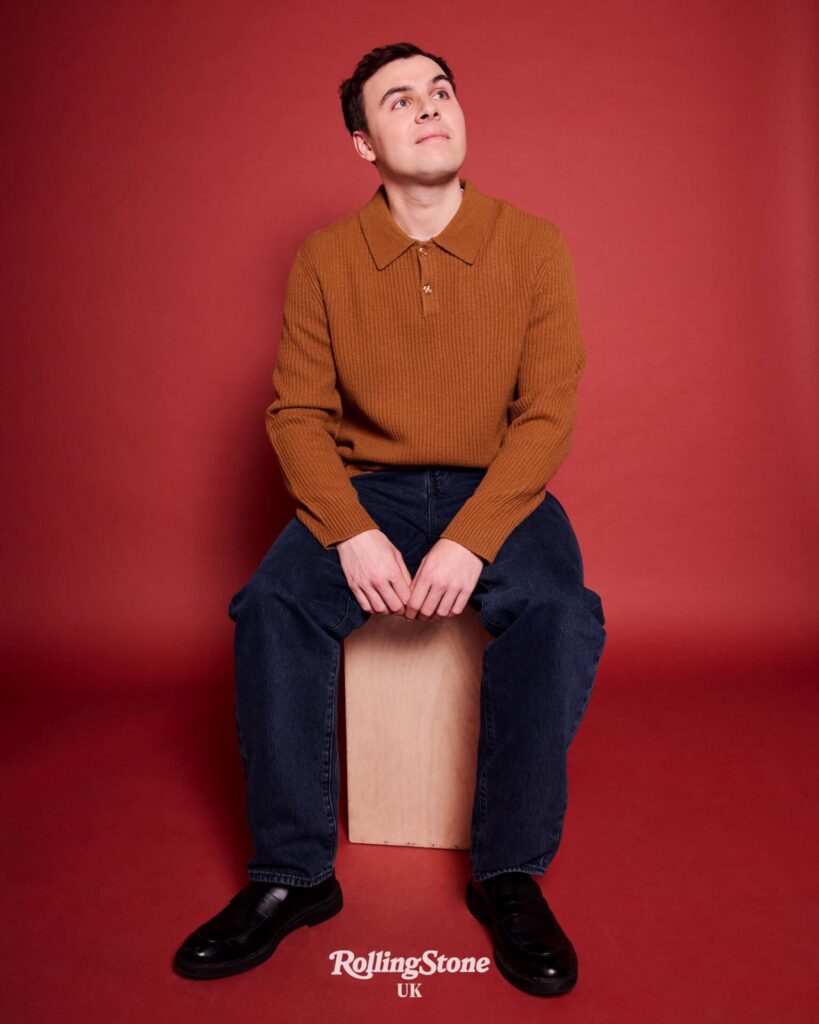
Moon (Picture: Eva Pentel for Rolling Stone UK)
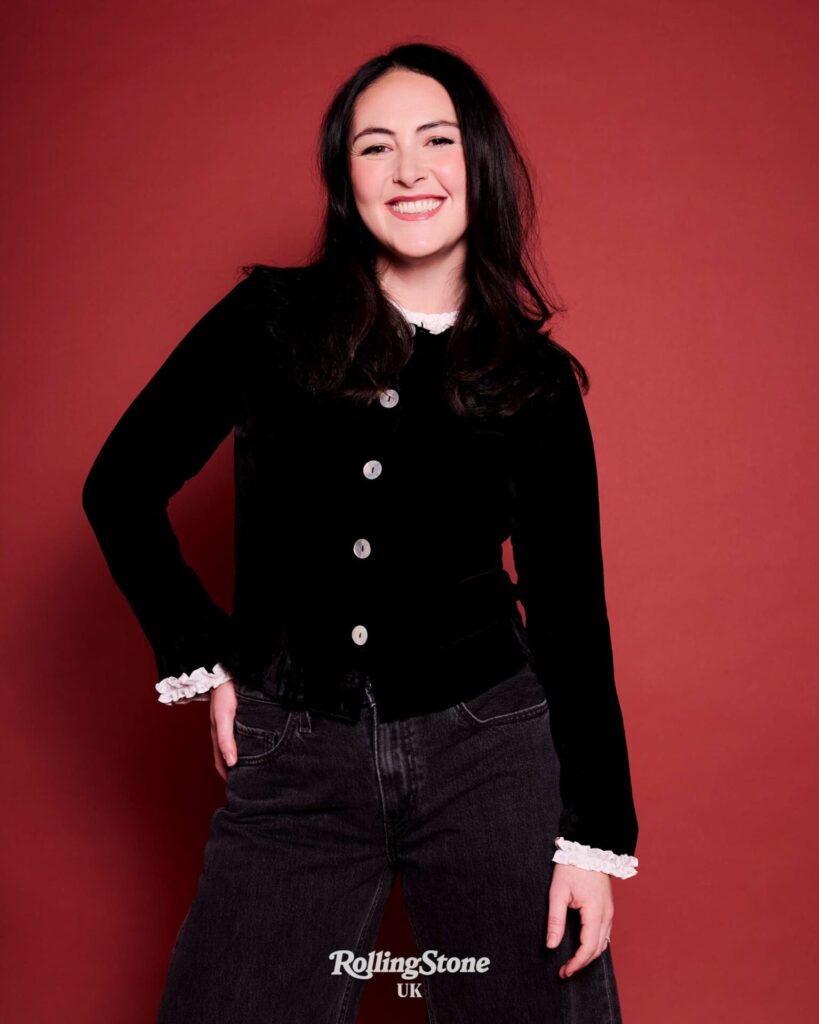
jeans by Levi’s (Picture: Eva Pentel for Rolling Stone UK)
jeans by Levi’s (Picture: Eva Pentel for Rolling Stone UK)
“We had so many interviews at the start asking, ‘How are you going to give it a British twist?’ Well, we’re British. We can’t help it!”
Paddy Young
The distinctly analogue traditions of Saturday Night Live, adopted by the UK show, also add to this sense of raw and real comedy rather than feeling like something forensically designed to stop the scroll. From the use of cue cards to the sublime house band, experiencing the show live in the room feels like its truest and most natural home.
The show is also giving a generation of young British musicians invaluable experience of playing live on television, a vital new avenue of exposure for these artists in their home country. “It felt very different from a lot of the other shows that I had been a part of,” Holly Humberstone, musical guest on season one of the show, tells Rolling Stone UK. “It felt very much like a family.”
The Monday that Rolling Stone UK arrives on set at SNL UK is the first day the cast have been back at work since making headlines with a scything takedown of US comedian Shane Gillis and his controversial opening monologue on an episode of SNL on 10 October.
During the UK show two nights previously, Magliano made a deft segue during Weekend Update between an ‘unrelated’ story about women in gym shorts – the topic of the joke that Gillis was rightly vilified for – and the apology he gave for swearing during his SNL monologue.
“Oh Shane,” Magliano said directly into the camera. “You’re not allowed to say that, you stupid fucking c**t.”
If the internet was ablaze with praise for Magliano and the show’s political bite, as well as rubbernecking at a perceived intra-SNL beef, it receives little more than a shrug from the cast when I raise their skewering of Gillis’ comments.
“The US is a separate show at the end of the day,” Magliano says matter-of-factly. “[Weekend] Update is just about the news, right? So if something from the US show is in the news, then it’s in the news. It’s up for being written about.”
Dring adds that the show doesn’t want “to make cheap shots or try to be gimmicky in any way,” but that people do respond to the truth. “They respond to things that feel a bit naughty or not too sanitised, and that haven’t been through layers and layers of bureaucracy.”
For Sidi, the show’s independence from their big brother has “felt freer than I could ever have imagined”, with Dring adding: “As much as there is an SNL brand, we’re not [having] advertising execs going, ‘This is what the show has to be.’”
“[Weekend] Update is just about the news, so if something from the US show is in the news, then it’s up for being written about.”
Ania Magliano
As SNL UK settled into its skin across the first part of season two, the jokes on Weekend Update especially have developed more character and bravery, with an increasing sense that nothing or nobody is off limits. Both Marlow and Magliano say they have received the same comments from family and friends but that, internally at least, the shift is just a sign of stronger and more streamlined writing, rather than a beefier mandate to be politically bold.
“We are incredibly picky with what goes out, and it’s a really tough process for a joke to make it onto Weekend Update,” Magliano says. “If even one writer says, ‘I’ve heard something like that before,’ or, ‘I saw one thing online of someone saying something similar,’ it can’t go out. Every joke is scrutinised. We’ll debate wordings, or ‘the’ versus ‘a’, for 30 minutes. We all care so much about the magic and the craft of a good two-sentence joke.”
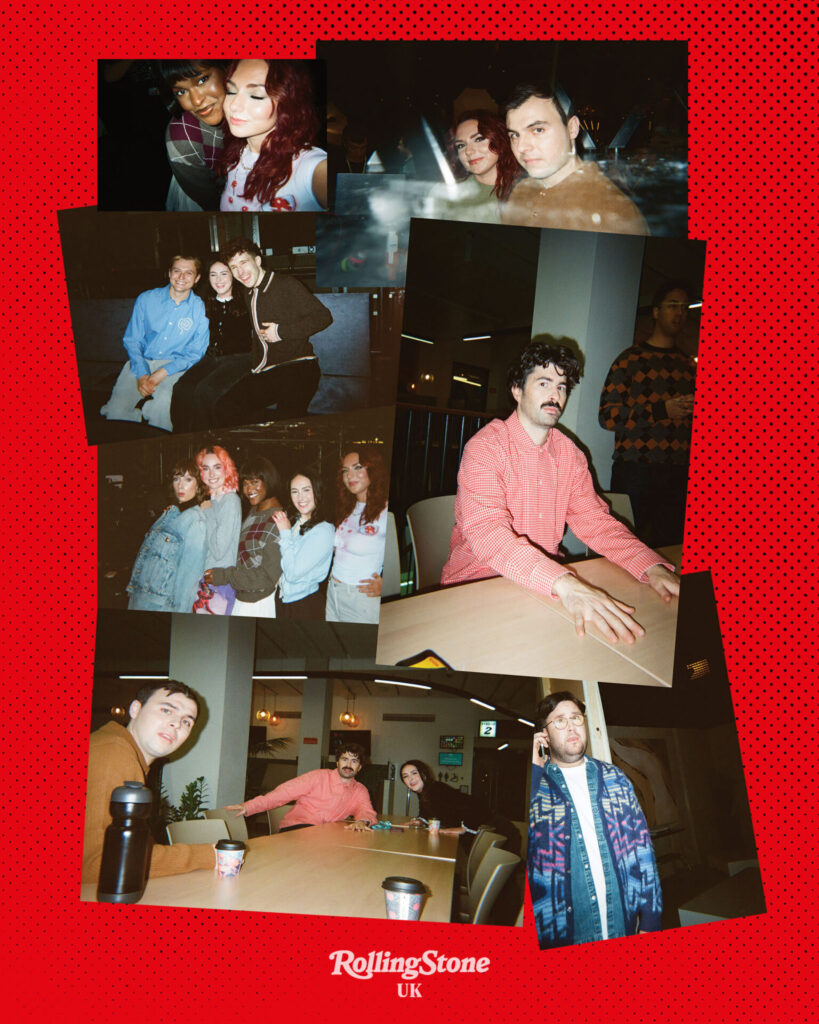
Though SNL UK is an incredibly expensive show to produce, it serves as an incubator for new talent as well as a Saturday-night TV show. “I’ve never had that before, where your ideas are so facilitated,” Dring says. “I know it can seem self-indulgent from the outside, but it just means that you can be so much more ambitious.”
Fouracres laughs in disbelief at his own example of such: “They let me have a full lightsabre fight with CMAT!”
Dring says: “We are so lucky that week in, week out, we can play different characters, experiment, write what we want to write. There is nothing else like that in the industry at the moment, and there hasn’t been for a long time. Creatively, it’s such a privilege.”
It’s an excitement echoed by the show’s hosts too, with season two standout Danny Dyer telling Rolling Stone UK: “The show is such a machine, and I think that it’s so inspiring to be wrapped around so many talented people. The cast are so, so strong, and I thoroughly enjoyed just being part of that process.”
Dyer describes the hectic weeks as “difficult”, but following a method where you are “organically learning what you’re doing as the week goes on”. There was a dynamic and spontaneous energy to the British legend’s performance that night, and he explains that performing live in that way “really put a fire back in my belly”.
Working on such a uniquely produced show also gives invaluable training and insight into new parts of the industry for the cast, crew, writers and producers of the show. “We’re all multi-hyphenates – we all write a bit, we all do character work, we all perform,” Dring says. “A lot of us are actors, and if we weren’t actors before, we’re learning to be actors now. The process itself is upskilling us.”
Meredith, for instance – a new introduction for season two described as a “breath of fresh air” by his castmates – had no experience in the world of sketch comedy, while Marlow had never been on a TV set before recording a VT for the first episode of SNL UK. “I was like, ‘Oh my god, this is what a TV set like looks like?!’” Marlow remembers. “Emma said to me, ‘This is your first TV job? Girl, if this is your first TV job, then you’re going to be fine!’”
“It’s essentially like going to school,” Hammed Animashaun says, before paraphrasing a quote from SNL cast member Leslie Jones: “You get to learn how to be a producer, director, writer, all in the space of six days.”
For Meredith, “being thrown in at the deep end” also allowed him to move past overthinking and self-doubt. Because of the sheer time pressure of creating the show, “you have to get rid of that part of your brain which is judging yourself about not being perfect,” he says.
“We’re all multi-hyphenates – we all write a bit, we all do character work, we all perform. The process itself is upskilling us.”
Celeste Dring
This facilitation of creativity is a revelation in an industry with dwindling budgets and increased hesitancy over risk-taking. “As a writer, to get your idea made in this industry is virtually impossible,” Meredith says. On SNL UK, “even if you have a half an idea, it’s taken so seriously and it could be in the show on Saturday. There’s nothing else like that in terms of how it’s produced and the level of quality it’s produced to.”
Conversations with the cast and those in the Saturday Night Live UK orbit reveal a consistent determination shown to not only prove the doubters wrong, but remind the world why the UK is the home of sketch comedy and does top-tier live television better than anyone else.
“No one does comedy like the UK, and that’s been forgotten slightly,” Dyer says. “Shows like this are not made much anymore. Our comedy should be celebrated all around the world, and there’s no better place for that than SNL UK.”
The radical thing about SNL UK, that is also the anachronistic thing about it, Sidi says, “is that a live studio audience and laughter at sketches hasn’t seemed, before this year, like a British thing anymore”.
The show’s success, and the clear joy its creation brings to the energetic rabble at its heart, is what drives them to keep going bigger and better. Despite all the noise and naysayers, its brilliance comes from a very simple place, says Sidi. “Rather than numbers, work towards humans laughing in a room.”
Taken from the December/January issue of Rolling Stone UK. Order your copy here.
Photographer: Eva Pentel
Stylist: Raphael Castelmezzano
Styling Assistant: Victoria Popova