
Charles Onyeabor: Carrying The Flame of A Generational Torch
In partnership with Rapid Groove Records
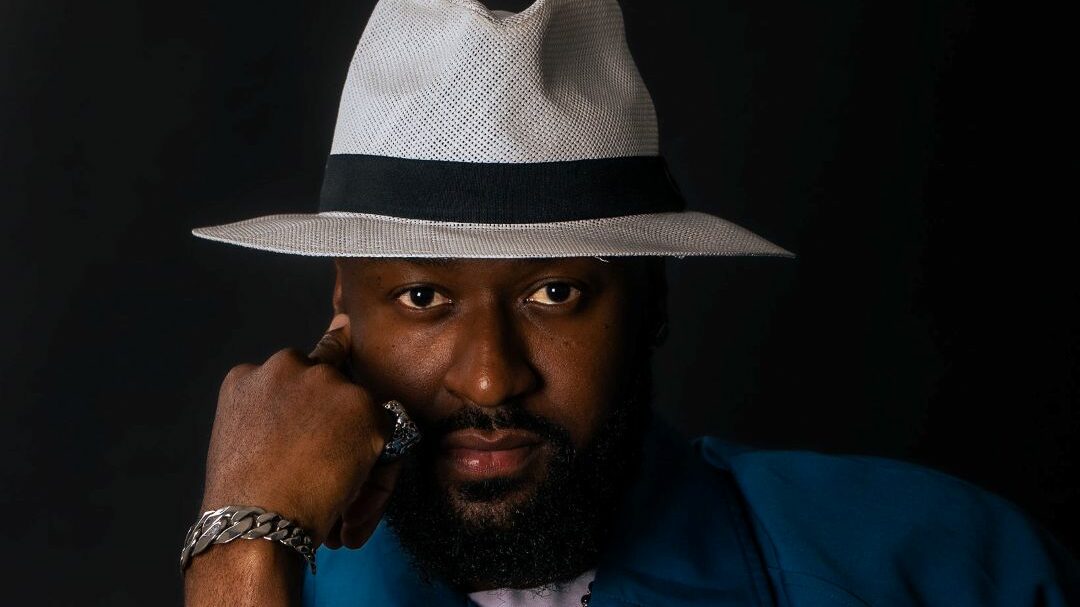
It’s not surprising how deeply growing up around a dad who didn’t only teach you about music, but was actually a genre pioneer and icon of the 70s, could shape one’s life direction.
Yet, nearly two and a half decades ago, Charles Onyeabor, Nigerian Afro-funk pioneer William Onyeabor’s first child, picked up a life behind the microphone after his father’s death and hasn’t looked back ever since. “My father influenced my music a lot. I watched him write, compose and deliver. That shaped me more than any classroom could have,” his tone airy with nostalgia.
Raised in the Eastern Nigerian city of Enugu, Charles’ migration to Italy exposed him to more diverse world-views and cultures, shaping his pool of influences which have since distinguished his catalogue as a cultural totem of sorts. After debuting in 2020, with a striking solo “They Can’t Pull Us Down (with Miriam Taylor)”, in 2023, he released an uplifting Afrobeats-focused album titled, Like Father, Like Son. In the album, he soaked in his father’s zen and radicalism, while tributing his late father’s legacy in the statement-making 20-tracker spin. Sung in Igbo, Italian and English, the record screamed his uncanny virtuoso, flagging off his own solo run, with songs like “We All Need Love”, “They Can’t Pull Us Down” and “Dance Your Troubles Away” highlighting his renaissance revolutionist and hope-inspiring themes.
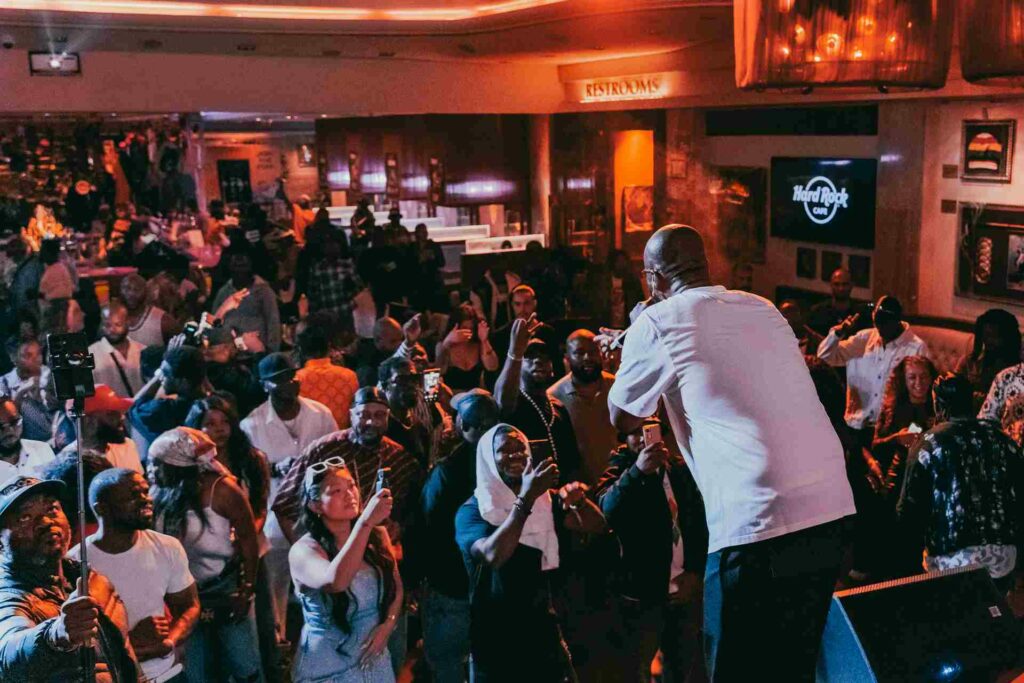
With a line-up featuring continental heavyweights like Nigerian rapper Magnito, Italian singers Miriam Taylor and Creep Guiliano, respectively, Charles Onyeabor’s multicultural spin quickly caught on within the West African and Italian music scenes. “I don’t want to be boxed into a genre,” he comments. “If I feel reggae, I’ll deliver reggae. If it’s Afrobeat, soul, or R&B that’s how it will come.”
Despite having gained some underground popularity with his earlier solos between 2021 and 2023, including participating at Eurovision song contest known to locals as Una Voce per San Marino, and winning the Africa’s Diaspora Artist of the Year award at the 2022 SCREAM African Women awards, Charles Onyeabor’s debut excited both the diaspora and the homefront, especially the latter, with intrigue. “My father was a pioneer whose music broke boundaries long before the world was ready to fully understand it. So, I have never felt like an upcoming act; I started from a legacy, so I understand the anticipation that trailed my debut. I’m grateful for the acceptance!”
Seeing as his father recused heavily from touring his music during his lifetime, Charles Onyeabor’s love for the stage stretches the family legacy with a twist. This year, he sold out his first live concert, The Charles Onyeabor Show, at the Hard Rock Café in Florence, Italy, performing his catalogue with vibrant gusto to an intimate audience which included celebrity Afrobeats podcaster Adesope ‘Shopsydoo’ Olajide.
“My journey is the continuation of a remarkable legacy; so when I’m on stage I feel like I’m carrying two lifetimes: mine and my father’s. He rarely performed publicly, so every time I step out, I’m not just entertaining; I’m honouring the voice he never fully shared with the world,” he said.
Since he dropped his sophomore album, Onyekachi, last year, which sprawled with similar themes and more hypermelodic Afrobeats fusions, he’s fully embraced this life of stagecraft and spotlight. Last year, he actively performed in Europe, from supporting Nigerian dancehall act Ruger in Bologna, during his European tour, to performing at the Kwaku festival, in Amsterdam. He’s also shared the same stage with several Afrobeats global stars, including opening for Phyno (Milan), Kizz Daniel (Cologne) this year, and performing alongside P Square, Otile Brown, May7ven, and DJ Abrantee, during 2023’s Afrobeats Invasion concert, in Munich.
Both on and off the stage, he’s using his voice to fan the flames of a generational legacy that has kept audiences awe-inspired for decades. “I’m here to carry a torch, not just light one. Honoring my father does not mean I am claiming his achievements as mine. I am building my own sound, my own fanbase, and my own impact. I can never erase my father’s impact on my life,” he further clarified.
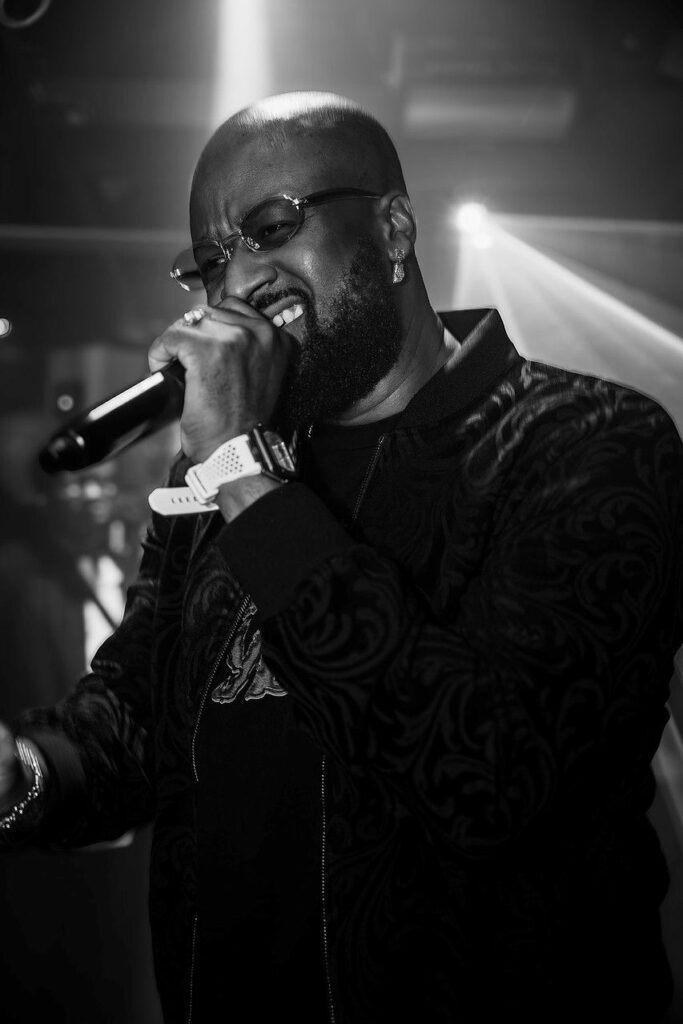
Music, for legacy drivers like Charles Onyeabor, arrives with an urgency, a distinct rush for the road less travelled. In spite of a university degree, a thriving car dealership business, and the measured ease of white collar careers, Charles Onyeabor turned his late-night part-time songwriting sessions into a full-time journey with the same passion that reverberates throughout his music. “With me, the fulfillment would never come otherwise; I inherited a spirit, a purpose, and a responsibility. It’s beyond profit making. And that’s why my music heavily preaches happiness and togetherness. Without purpose, we are empty. Without each other, we’re nothing.” Onyeabor already has his global imprint coursing beyond the studio booth and stages. He’s been critically acclaimed by tastemaker global media, and his genre-fluid songs also featured in Nigerian-Canadian filmmaker Lonzo Nzekwe’s flick, ‘Orah’, which screened at the 2023 Toronto International Film Festival (TIFF) and Cinéfest Sudbury International Film Festival.
From Europe to West Africa, Charles Onyeabor is building a truly soulful legacy, knotting ties between a generational legacy and his own distinct creative artistry into a sound that combines his family spirit and his fusion-driven sprint to stardom. Across the year, he has been busy recording and planning upcoming tours, only releasing the Amapiano-charged optimistic bop, “Akanchawa”, last month. “I want my music to stand the test of time. I’m not rushing for contemporary hits. My race, my legacy is tied to impact. So, in 2026, we’re rolling out more of the goods. It’s a marathon, and I’m never getting tired.”