
King Mohammed VI and the Making of a New Morocco
How a generation of reform, investment and ambition is reshaping a country at the crossroads of Africa, Europe and the modern world
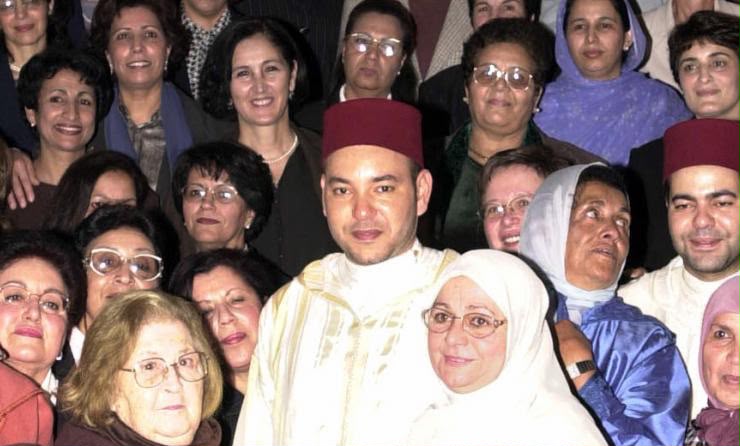
Morocco is changing, and the scale of that change is becoming harder to overlook. Over the past quarter-century, the country has moved steadily towards a more diversified economy, stronger infrastructure and a more confident role in Africa and globally. Much of that transformation has taken place under King Mohammed VI, whose leadership has been defined less by the pursuit of the spotlight than by reform, institution-building and a focus on what Moroccans can build for themselves.
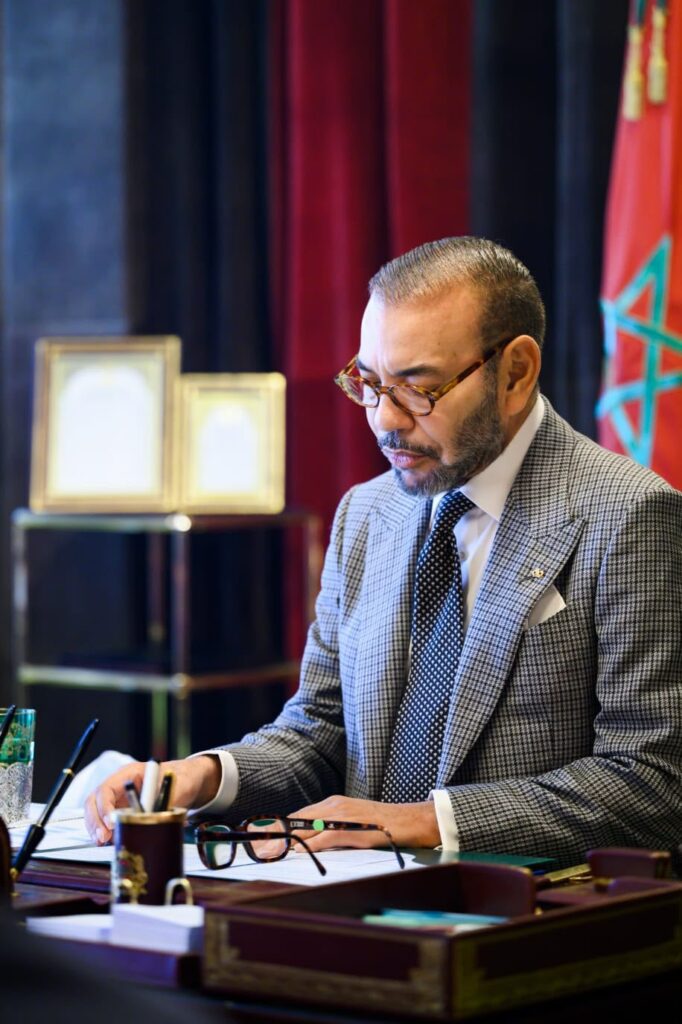
An interest in art and culture has always been part of the King’s public identity, but his leadership has increasingly been expressed through what has been built around him. Since taking the throne in 1999, Mohammed VI has pursued modernisation through a succession of reforms that have gradually changed the country while retaining a strong sense of Morocco’s cultural and national identity. His approach has often meant challenging convention while finding new ways to bring tradition and modernity together.
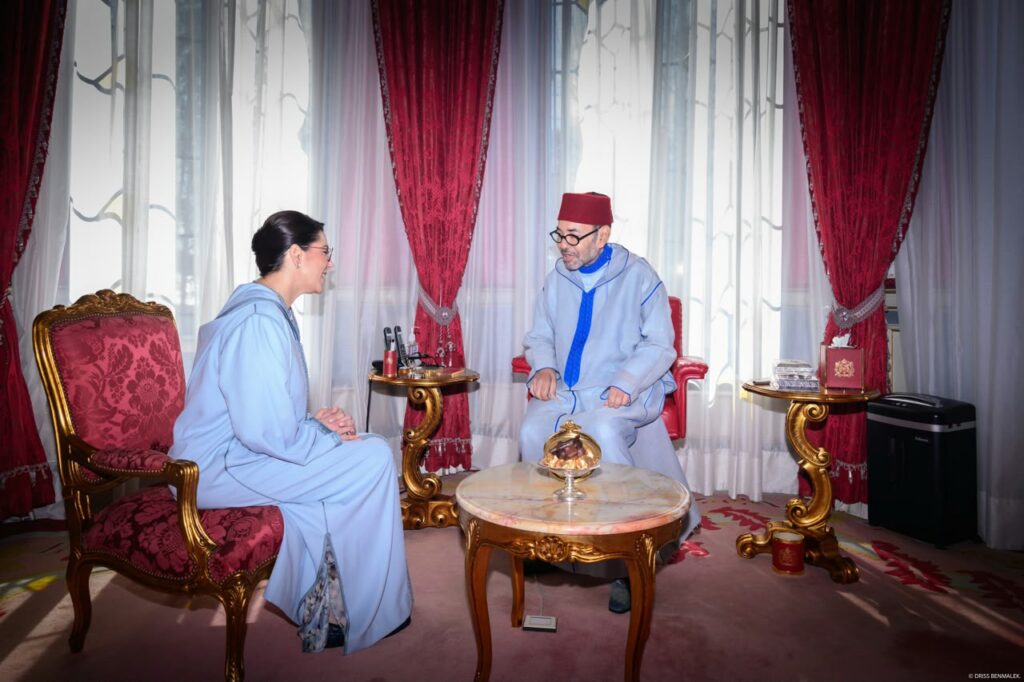
The appointment of Fatima Ezzahra El Mansouri as Morocco’s first woman Head of Government offers a striking illustration of how far that transformation has travelled. Following the 23 September legislative elections, in which the Authenticity and Modernity Party (PAM) emerged with the largest number of seats, King Mohammed VI appointed El Mansouri.
Her career, which began with her election as Mayor of Marrakech in 2009 and continued with her appointment as a minister in 2021, reflects an electoral, local and governmental pathway that has developed over years.
The trajectory of women’s rights is another example. In 1999, the King questioned how Morocco could achieve progress and prosperity while women, who make up half of society, had their interests disregarded. In 2001, he established a Royal Commission to reform family law, leading to the 2004 Moudawana. The reforms strengthened women’s position within marriage and divorce, raised the minimum marriage age to 18 and established greater equality between spouses. A further revision of the Family Code was launched in 2023.
Since 2007, Moroccan mothers have been able to pass their nationality on to their children. In 2018, women were admitted to the profession of adoul, traditionally reserved for men, while women have also been trained as mourchidates, or religious guides. The 2011 Constitution subsequently enshrined equality between women and men and established an Authority for Parity and the Fight against All Forms of Discrimination.
The same philosophy was visible during the regional upheavals of 2011. As protests spread across the Arab world, Morocco experienced demonstrations calling for political and economic reform. Mohammed VI responded by initiating a constitutional reform process that produced the 2011 Constitution, strengthening Parliament and the Head of Government and establishing a clearer relationship between parliamentary elections and the formation of government.
More than a decade later, El Mansouri’s appointment provides a tangible example of those institutional changes. The Constitution requires the King to appoint the Head of Government from the party that comes first in elections to the House of Representatives. PAM’s first-place result therefore directly preceded her appointment.
Women have meanwhile reached senior positions across the state. In 2021, a woman became Minister of Economy and Finance for the first time. Women have also headed the ministries responsible for Energy Transition, Digital Transition and Tourism, while women have been appointed to lead major national institutions including the National Human Rights Council, the High Authority for Audiovisual Communication and the Higher Council for Education, Training and Scientific Research.
But the transformation of Morocco has never been limited to social and political reform. For a generation of young Moroccans, economic development may be even more tangible. They are coming of age in a country with high-speed rail, major international ports, global manufacturing, expanding digital industries and a growing social-protection system. Moroccan companies operate across Africa, while international manufacturers have made the country part of global supply chains.
On the northern coast, Tanger Med has developed into a major logistics and manufacturing centre connecting Morocco to European, African and global markets. Around the port has grown an industrial ecosystem encompassing automotive manufacturing, logistics and a network of suppliers. Companies such as Renault and Stellantis have established major operations, while Morocco’s aerospace sector has also expanded.
Industrial ecosystems create demand for engineers, technicians, designers, logistics specialists, managers and entrepreneurs. Highways, railways, ports and industrial zones are intended to create the conditions in which businesses can invest, trade and employ people.
Morocco’s geography gives that strategy an unusual advantage. It sits close to Europe while remaining deeply connected to Africa. Moroccan banks, telecommunications companies, insurers and other businesses have established a growing presence across the continent, expanding the potential horizons for Moroccan professionals.
The next phase is to translate that economic expansion into opportunity on an even wider scale. Creating enough opportunities for Morocco’s young population is now a central priority, while the country’s digital ambitions are opening the way for new industries and a growing pool of digital talent. For younger Moroccans, the emerging economy offers possibilities that did not exist for previous generations.
The King’s approach has also increasingly focused on young people themselves. Ahead of this year’s elections, reforms made it easier for under-35s to stand for Parliament, with the state covering up to 75 per cent of campaign costs. New parties must also include young people among at least a fifth of their founding members. Alongside expanded social protection and the New Development Model, the measures reflect an effort to respond to the expectations of a younger generation.
This is where Mohammed VI’s legacy enters its next phase. The first part of Morocco’s modernisation was about building foundations; the next is about what Moroccans can build with them.
The appointment of El Mansouri is significant in precisely this context. At 50, she represents a new generation at the top of the executive, but also brings established political experience. Her appointment combines generational renewal with continuity. The broader story is therefore not simply about a woman reaching the highest political office. It is about the institutional and social trajectory that made that appointment possible.
Mohammed VI has rarely been a leader who seeks attention through grand rhetoric. His approach has been quieter: build institutions, invest for the long term and gradually expand the opportunities available to Moroccans. The results of that approach are increasingly visible — from women reaching senior public office to the infrastructure connecting Morocco to the world and the opportunities emerging for a younger generation.
Morocco’s transformation is now entering a new phase. For the generation born around the beginning of Mohammed VI’s reign, the question is what they can build with the country they have inherited. The foundations are there; the next chapter belongs to them.
Rolling Stone UK publishes articles from a variety of contributors which express a wide range of viewpoints. The positions taken in these articles are not necessarily those of Rolling Stone UK.