
Marco Nobel Plays Tomorrowland and Builds a Housing Company That Runs on Its Own Software
In partnership with Jon Stojan (Fuse Stays)
By Matt Emma
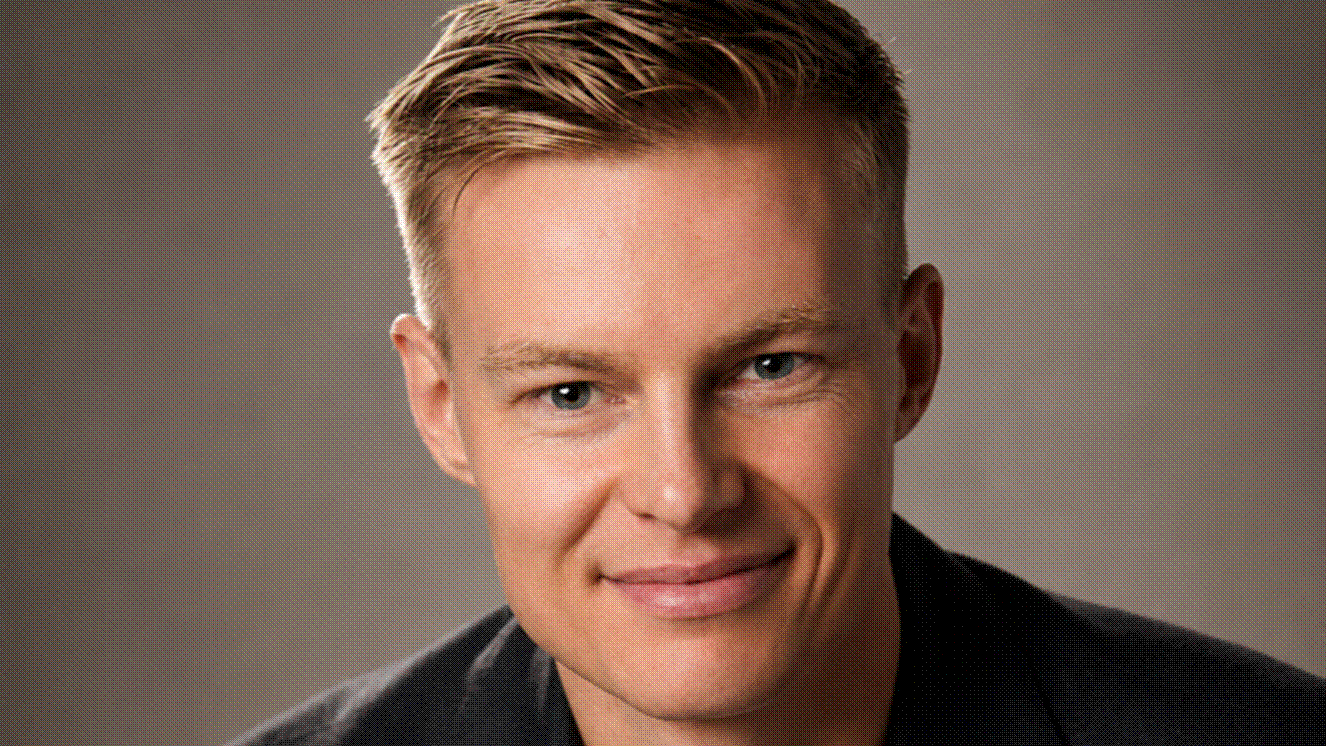
From a student community platform to music and Fuse, Nobel’s work centers on helping people feel at home somewhere new.
Marco Nobel, an artist who has played Tomorrowland, Ultra and EDC, builds places where people who have just arrived can feel they belong. That idea connects his first student community platform, his music, and Fuse. In his view, the first week can decide whether an unfamiliar city begins to feel like home.
Fuse, the housing company he founded in 2024, operates 33 locations in Riga, Budapest and Vienna. In November 2026 it won Best Affordable Housing Initiative at The Class Foundation’s Best in Class Awards. It offers flex living: furnished rooms and studios with flexible terms for students and young professionals. Its own software handles property operations, while its communities help residents meet people beyond their front doors.
From Studying Abroad to Building a Community
During a semester abroad in Asia, Nobel arrived in a city where he knew no one. In his experience, universities did little to bring international students together, so people from the same country tended to stick to one another. He wanted more opportunities to meet people from different backgrounds.
He built a community platform for students studying abroad, then began organizing events. According to Nobel, the platform grew to more than a million students a year across more than 200 cities, with events drawing as many as 3,000 people in Toronto and Melbourne. In 2023, he appointed a CEO to run the platform day to day, which gave him room to start Fuse.
The platform also revealed a need that events alone could not meet.
“The biggest problem in our community was always finding a house,” he recalls.
Fuse extended that work from helping newcomers find people to helping them find a place to live.
Reading the Room in Music and Business
Nobel has recorded music with Lil Wayne and Juicy J. His music has more than 100 million streams, and he has new releases coming through Armada Music.
For him, the connection between music and entrepreneurship is practical: both involve understanding an audience and trying something on a small scale before committing to it.
“Reading the room is looking at the crowd and understanding which tracks need to be played to get the crowd right. It is also how you test new music. Before you release a song, you play it in a show and see how a sample of that wider audience reacts. Building a company is the same. You test it on a small audience before you double down.”
Making Existing Buildings Work Harder
Fuse began in Riga, Latvia, renting apartments by the room. Budapest and Vienna followed. Poland is the current expansion focus, with Kraków and Warsaw identified for growth; Germany and the Netherlands are next.
Fuse takes buildings ranging from a few units to hundreds. Its model accommodates former offices, hotels, apartment hotels, and residential buildings with empty units. Rather than requiring large common areas inside each property, it organizes community activities across the city: running clubs, film nights, gym sessions, club nights and tours.
That approach broadens the properties Fuse can consider. Residents do not need to live in the same building to join the same community, and owners do not need a purpose-built student complex to work with the company.
Nobel points to a 51-unit residential building in Budapest as an example of the business model in practice. He says revenue per unit rose sharply within six months of Fuse taking over the underperforming property, on the same floor area He attributes the improvement to a smarter configuration and demand from Fuse’s own prospective tenants. “We make buildings worth more.”
In November 2026, Fuse won Best Affordable Housing Initiative at The Class Foundation’s Best in Class Awards. Its rooms are furnished, bills included, from around €350 a month. Nobel says that comes from three things: the company reuses buildings that already exist, it has no staff on site, and its software does the manual work.
“Software runs the building, people run the community. That is why owners earn more and residents pay less.”
Using AI and Its Own Software to Run the Buildings
Fuse’s system was built by its own team, which combines experienced real estate professionals with people focused on AI. Prospective residents can browse accommodation and begin renting online. In Nobel’s example, someone signs up late at night, and the identity check and contract run automatically. The next morning, the team sees only the exceptions that need attention.
“We have no staff on site, no receptionist, only a small team per city. Our own software lets that small team run many properties.”
He describes the same division of work beyond applications.
“The manual parts of support, sales and finance are done by AI. People step in where it gets personal.”
That leaves the city teams handling the resident questions, problems, and relationships that need personal attention as the company adds properties.
A Bigger Vision With the Same Purpose
“Real estate is the biggest asset class in the world, and most of it still runs on people and spreadsheets. We’re building the company that runs it on software,” Nobel says.
From its current 33 locations, Nobel’s plan is to reach thousands, expanding into European cities where young people arrive and eventually beyond Europe. He expects property managers that don’t make the move to AI to run on Fuse’s system or become part of Fuse.
Nobel continues to run Fuse alongside his music career, and recently returned from performances in Sydney, Tokyo, and Bangkok.
“Both are about putting strangers in a room and making them feel they belong.”
Prices and availability are accurate as of the time of publication and are subject to change without notice. Please check Fuse’s website for the most up-to-date pricing information.