
Meet Dermot Henry, the folk singer thriving off happy accidents
There’s a delightful freedom and looseness to ‘Bad Throw, Good Catch’, the funny but impactful debut album from this impressive young songwriter
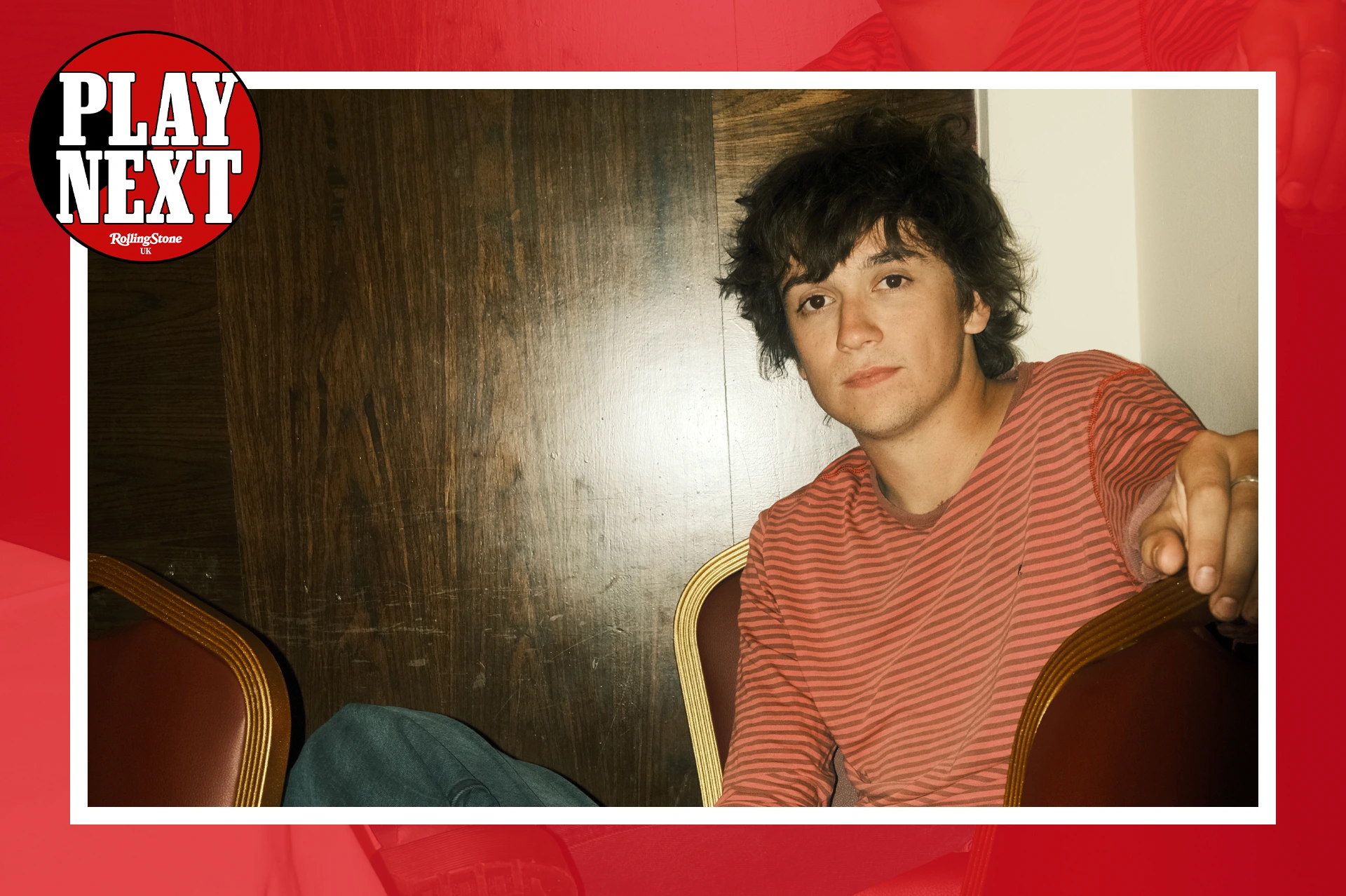
Dermot Henry’s favourite songwriters are those whose work never stands still. Tom Waits and Big Thief’s Adrianne Lenker are just two of the writers he namechecks when discussing the shapeshifting music that he aspires to make. On his debut album, Bad Throw, Good Catch, Henry writes music that similarly feels loose and fluid, matching humour with some disarming honesty thrown in when you least expect it.
While debut albums are often meticulously planned and tinkered with to the nth degree, Henry arrived at his first full-length with a new sense of freedom and experimentation. “I just naturally get taken by whatever’s happening,” he tells Rolling Stone UK. “People who have concepts and are able to fulfil that, I find very impressive. But for me, at every decision and every juncture, [I] made the decision that felt like the right thing to do. From there, you end up in a place where you look back and you made all the right decisions in that moment.”
Here, we speak to the young songwriter about drawing inspiration from real-life conversations and why the rendition of a song you hear on the album is never the final or definitive version of the tune – it’s always evolving.
Read our interview and listen to Henry’s music via our Play Next playlist on Spotify below.
You recorded Bad Throw, Good Catch live to tape with Dom Monks. Tell us about the process of recording that way.
Up until two years ago, I feel like I was such a… not a perfectionist, but really anal about specific things being specific ways. Recording always stressed me out because I always thought that the recording had to be the ultimate version of the song, the perfect version of the song. Through the first couple of days of meeting Dom and having these conversations with him, I realised that that doesn’t exist. The song is the song, and it’s always this other thing that isn’t physical or a thing that you could listen to. This is just the version of the song that you’re playing at this point in time, and that’ll always change. The live version will always be different. The version you play by yourself will always be different. As soon as I had that realisation, it made it the easiest thing in the world and made it so fun. To stress over specific things would have made the process a lot less enjoyable, which I think would make listening to it a lot less enjoyable.
How did you come to that place of surrendering control over the process?
All the people that I’ve loved who have made music have always talked about music-making as that type of process, and it’s always the way that I’ve written and played music. I had previously been in the studio just for random sessions, and we hadn’t worked like that. I just find it hard to not get really frustrated and retreat within myself and be protective. It’s a natural instinct when you’re showing things to be really protective, but I think because of the albums that [Dom had] worked on and because of the people we had there – all my friends were playing – it just became the easiest thing in the world.
Your lyrics are often very funny and tongue-in-cheek but also sneak in really meaningful and deep lines within that – how did you develop that balance?
I was having a conversation with some people recently, and we were talking about hope. Someone was like, “Oh, none of your songs are very serious,” or something to that effect. I said that hope and joy is a serious matter. That’s always been the thing that I’ve been interested in with songwriting. My favourite movies or books or songs are always things that are able to hold those two – the comedy and ridiculousness of life, with the sadness and hard stuff. It’s always impressed me when people are able to carry those things off together, but they both work. When songs are just sad or just funny or just one thing, sometimes that loses something. It’s less sad because it’s been sad the whole time.
A lot of your lyrics are also lifted from overheard conversations. What is it about people casually chatting away that inspires you?
It often is word-for-word what people say [that goes into a song]. The best songwriting happens by accident is what I have learned, and sometimes you get given a gift by someone. I speak about my grandad so much, but I have this song called ‘I Think You’re Right’, which isn’t on the album. We were talking about the world, and I was just like, “Everything’s bad” or whatever. And he was like, “Yeah, everything’s always bad. Sometimes you have to keep fixing the door and feeding the cat.” I just ripped that off verbatim! Often, it’s things that make you laugh or things that make you smile, and then it’ll get your cogs churning. It’s the biggest hack.
And you have to be quite attuned to conversations in order to take those things in…
You’ve got to have the Notes app at the ready! I often feel bad when I’m chatting to my grandad. I’ll have my phone out, waiting for him to say something good! [Laughs] We do also spend quality time together, promise…