
Propulse Your Career: Why the Future of Artistic Success Begins Beyond the Stage and Into Career Design
In partnership with APG
By Matt Emma
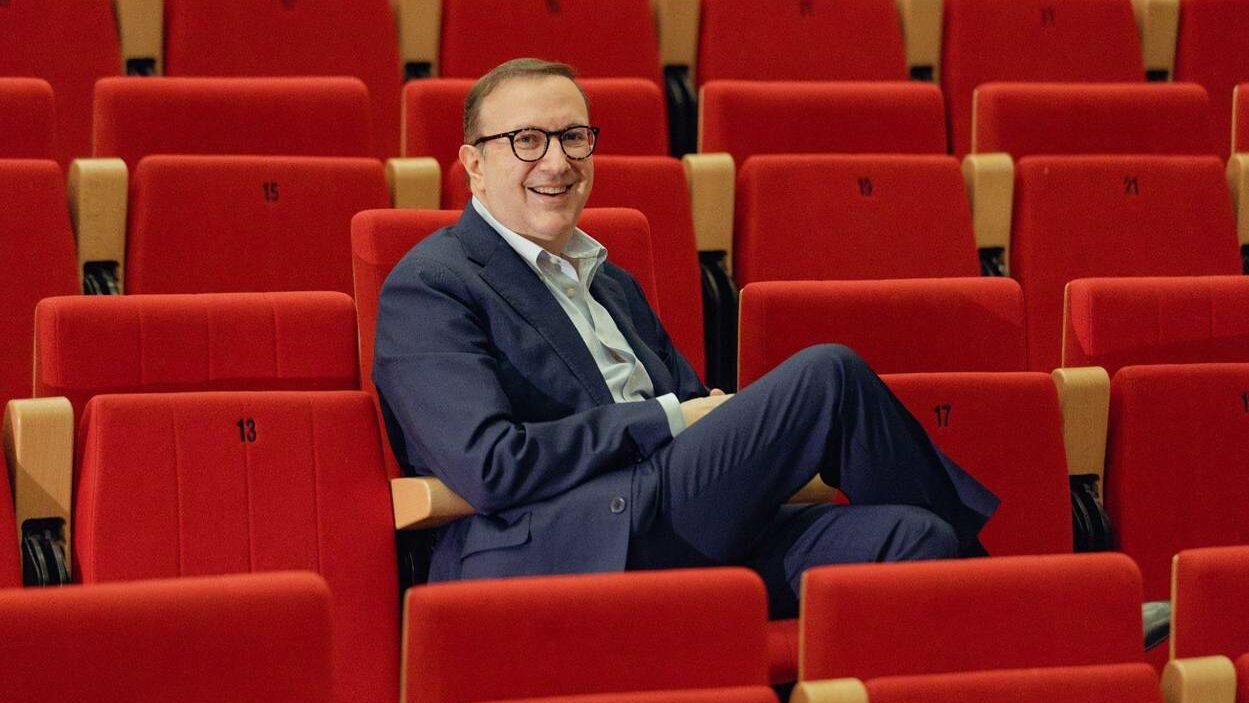
The creative industries appear to continue cultivating remarkable artistic talent, and Propulse Your Career, a career‑development consultancy for artists, has observed an opportunity to extend that journey even further. Alongside years of specialist training, it sees growing value in preparing artists for the wider realities of building a sustainable professional life, complementing artistic education with practical career guidance.
Founder Robert Saltz notes that conservatoires, academies, and higher‑education institutions have long played an important role in developing technical excellence. He emphasizes that years of dedicated study equip artists with the discipline, creativity, and performance skills needed to excel on stage. Yet professional life often extends far beyond rehearsals and performances, bringing decisions around relationships, visibility, financial planning, communication, and long‑term direction.
“Artistic education has achieved something extraordinary by helping artists master their craft. Career development deserves the same thoughtful attention, because an artistic journey continues long after the curtain falls,” he states.
This complementary role sits at the centre of Propulse Your Career’s work. Instead of extending artistic training, the consultancy aims to support artists with structured guidance around career planning, professional communication, networking, visibility, personal artistic identity and practical organisation, helping them make informed decisions throughout their careers.
Such commitment has become increasingly relevant as the creative landscape continues to evolve. Saltz notes that following the COVID-19 pandemic, artists seem to have experienced changing business models, greater responsibility for building their own professional presence, and a growing emphasis on digital engagement.
According to a 2026 report, 85% of surveyed countries now include the cultural and creative industries in their national development plans. The report also highlights that digital revenue streams now account for 35% of creators’ total income, underscoring the growing role of digital platforms in artists’ livelihoods.
A Pattern Across Professions
Saltz’s perspective developed across more than two decades in hospitality, where mentoring teams and supporting professional growth became one of the most rewarding aspects of his career. Later, while leading career services for hospitality schools in Switzerland, he encountered graduates with impressive technical capabilities and strong ambition, alongside understandable questions about translating those qualities into lasting careers.
Living alongside his wife, an opera singer, offered another perspective. “Performances were just a single chapter in a much larger story that involved auditions, preparation, contracts, networking, and constant adaptation between engagements,” he shares. “As time passed, I began to see a familiar pattern across hospitality, education, and the performing arts. Talent thrived, but career preparation often needed more attention.”
The Unseen Profession
For audiences, performances often represent the most visible part of an artist’s work. Saltz stresses that behind every appearance sits a professional life shaped by auditions, conversations, financial decisions, contracts, and continual learning. Alongside these practical responsibilities, artists may also encounter moments of self‑doubt, particularly when opportunities become highly competitive.
He says, “Questions such as, ‘Do I belong here?’ or ‘Am I ready for this opportunity?’ can become part of that experience, especially when creative work is closely connected with personal identity.” Saltz believes emotional and social intelligence deserve greater attention within career development because they help artists respond constructively to professional challenges while continuing to nurture creativity.
“Every audition offers information, every conversation opens a possibility, and every experience contributes to the artist you are becoming. A career grows through each of those moments,” he adds. This philosophy is reflected in Propulse Your Career’s work with artists through areas such as audition preparation, resilience, public speaking, relational intelligence and practical planning, providing support that complements artistic ability with professional confidence.
Becoming the Architect
Saltz also observes that the traditional ideas of waiting to be discovered are gradually giving way to careers built through purposeful decisions, meaningful relationships, and a clear understanding of personal identity. Therefore, he encourages artists to think of themselves as architects designing the blueprint of their professional future.
A blueprint can provide direction while leaving room for growth, adaptation, and new opportunities as careers develop. It may include defining an authentic artistic identity, strengthening professional relationships, refining communication, and making thoughtful decisions about which opportunities best support longer‑term aspirations.
Through personalised coaching, Propulse Your Career helps artists develop this blueprint in ways that reflect their own aspirations, recognising that each career evolves differently as opportunities, interests and the wider industry continue to change. Saltz compares this process to navigating open water. He says, “Artists already possess the creativity that moves them forward. I hope that Propulse becomes a lighthouse, offering guidance that helps them recognise their own direction while continuing the journey confidently.”
Expanding Artistic Education
This philosophy reflects Propulse Your Career’s wider purpose. Its support extends across every stage of an artist’s journey, whether someone is preparing for their first professional opportunities, refining an established career, or strengthening collaboration within an ensemble. Through personalised consultations and structured coaching, the emphasis remains on helping artists build confidence in the decisions that support their long-term development.
The broader creative landscape continues to reinforce the importance of this balanced approach. An industry report highlights continuing growth across the global recorded‑music market while also describing an increasingly complex professional environment shaped by evolving technology, licensing, and digital platforms. These developments indicate that artistic excellence and career capability may be increasingly moving in tandem.
Overall, as creative industries continue to evolve, artists at every stage of their careers may benefit from guidance that extends beyond performance alone. When artistic ability is accompanied by confidence, considered planning, and gradual professional development, opportunities can contribute to a career that feels more coherent and sustainable. With this in mind, Propulse Your Career aims to complement artistic training by offering practical guidance that helps artists shape professional paths grounded in clarity, confidence, and community.