
Spribe Reports This Campaign Reached 600 Million People, but the Number Isn’t the Point
In partnership with APG
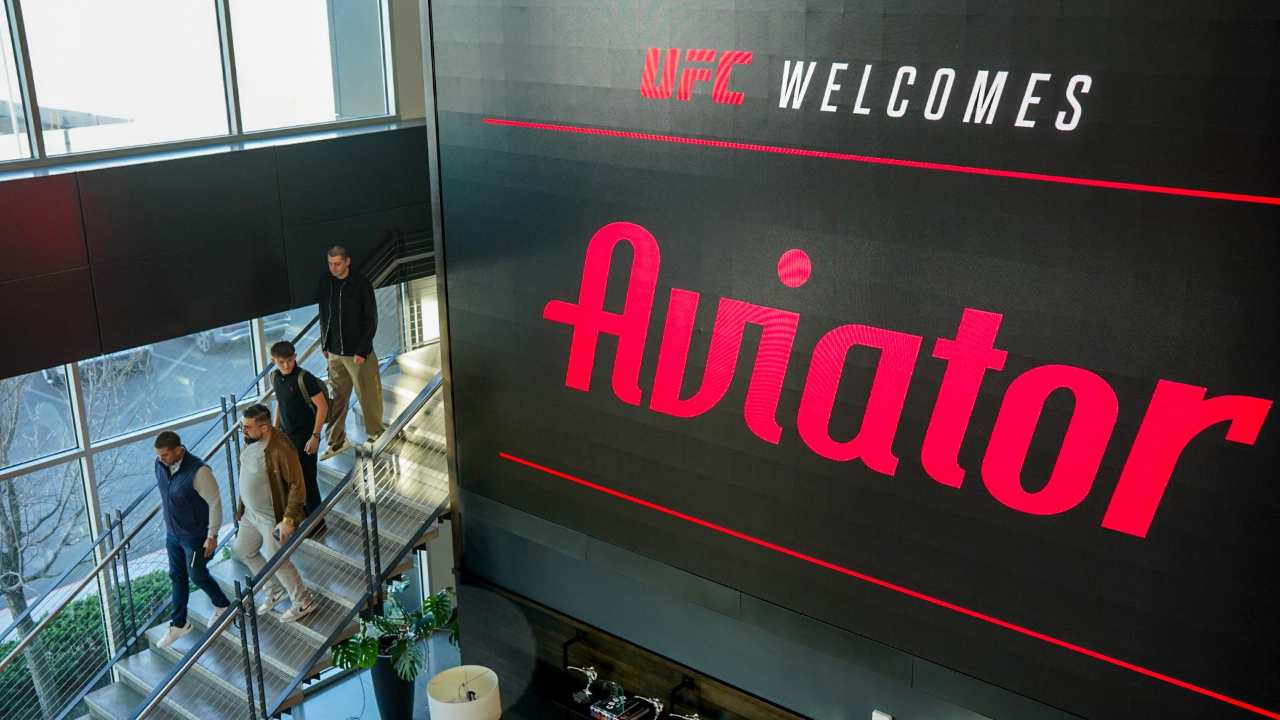
Six hundred million is a large number to walk away from.
According to SPRIBE’s self-reported internal campaign figures, that is the approximate combined global reach that SPRIBE generated through its UFC and WWE partnerships over the course of 2025, according to the company’s internal campaign reporting. The campaign spanned UFC events throughout the year and WWE’s premium live events, including WrestleMania, combining live viewership, social media impressions, and video completions across both properties, the company says. Many companies at that scale of reach might lead with the number. SPRIBE seems more interested in what comes after it.
A B2B company in a B2C spotlight
To understand why the reach figure is not the point, it helps to understand what SPRIBE actually is. Unlike direct-to-consumer entertainment platforms, SPRIBE operates as a B2B software developer, building the underlying technology that powers interactive entertainment experiences for more than 6,000 operator clients worldwide, according to the company. Its flagship product, Aviator, is not sold directly to players. It is integrated by operators into their own platforms, where it is then discovered by the players those operators serve.
That structural distinction can be important for how the partnership strategy should be read. When a B2B company invests in consumer-facing brand visibility at the scale of a UFC or WWE sponsorship, the goal is not direct conversion in the way a consumer brand would measure it. The logic is several layers deeper.
“This partnership isn’t about immediate ROI,” SPRIBE founder and CEO David Natroshvili said when the deals were first announced in early 2025. “It’s about long-term positioning. We want to further cement our leadership as a top software developer, as well as an entertainment-tech market leader capable of holding its own alongside global powerhouses like UFC and WWE.”
That framing signals something specific: the primary audience for a 600-million-reach campaign is not the 600 million. It is the operator community watching how SPRIBE shows up in the world.
How brand trust travels upstream
In B2B markets, particularly those involving software, brand credibility functions differently than it does in consumer markets. An operator evaluating which interactive entertainment products to integrate into their platform is weighing dozens of criteria: technical reliability, regulatory standing, player retention data, commercial terms. What is harder to quantify, but often decisive, is the question of whether a supplier is perceived as a category leader or a commodity provider.
High-visibility partnerships with organizations like UFC and WWE do not directly answer any of those technical questions. But they may shift the context in which those questions get asked. SPRIBE’s logo appears on the Octagon canvas at UFC events alongside brands like Monster Energy and PRIME Hydration, placing it among the sponsors UFC selects for its global broadcasts.
The ambassador layer
Alongside the institutional partnerships, SPRIBE built out an ambassador roster over 2025 that added another dimension to the campaign architecture. By year’s end, Aviator had signed a roster of UFC athletes including Alex Pereira, Johnny Walker, Alexander Pantoja, and content creator Nina Drama, whose social media following sits within the same Millennial and Gen Z demographics that drive Aviator‘s player base.
The ambassador program serves a different function than the institutional deal. Where the UFC canvas placement is a brand signal to operators, the athlete partnerships are designed to generate recurring content in markets where SPRIBE is building player awareness. Arman Tsarukyan’s campaigns, according to SPRIBE, were oriented toward his fanbase across Central Asia and Europe. The program appears geographically targeted, not simply additive.
What the metrics actually measure
The campaign results SPRIBE reported for 2025 include figures across several different categories: live viewership, digital impressions, social engagement, YouTube completions, and homepage takeover days on UFC.com. Each measures something different, and none of them, individually, captures what the strategy was actually built to achieve.
What the aggregate does reveal is consistency of presence across an extended period. SPRIBE’s UFC activations spanned a one-time sponsorship moment – by the company’s account, a sustained backdrop to an entire season of global sports broadcasting. Combined with WWE’s marquee events calendar, the Aviator brand was embedded in the visual landscape of combat sports and sports entertainment for the duration of 2025, at a frequency that some brand recall research associates with longer-term recognition rather than short-term awareness spikes.
That is distinct from what a single viral campaign achieves. It is slower, more structural, and harder to attribute to any one quarter’s operator conversion data. It is also, by design, not meant to be.
“The relationships we have forged with UFC and WWE are meaningful building blocks in our roadmap to global expansion and market penetration,” Natroshvili has said. “We look forward to building on this momentum to deliver maximum upside for our key stakeholders.”
For a company that reports reaching 70 million monthly active players by the end of 2025, representing a 55% year-over-year increase in player count, the 2025 campaign picture suggests the strategy may be gaining traction. Not because 600 million people saw the logo. But because, in SPRIBE’s telling, the operators watching closely took notice.
Please play responsibly. If you or someone you know has a gambling problem, help is available. Call 1-800-GAMBLER.
(Most states in which gambling is legal also have state-specific “Help” resource disclosure requirements.)