
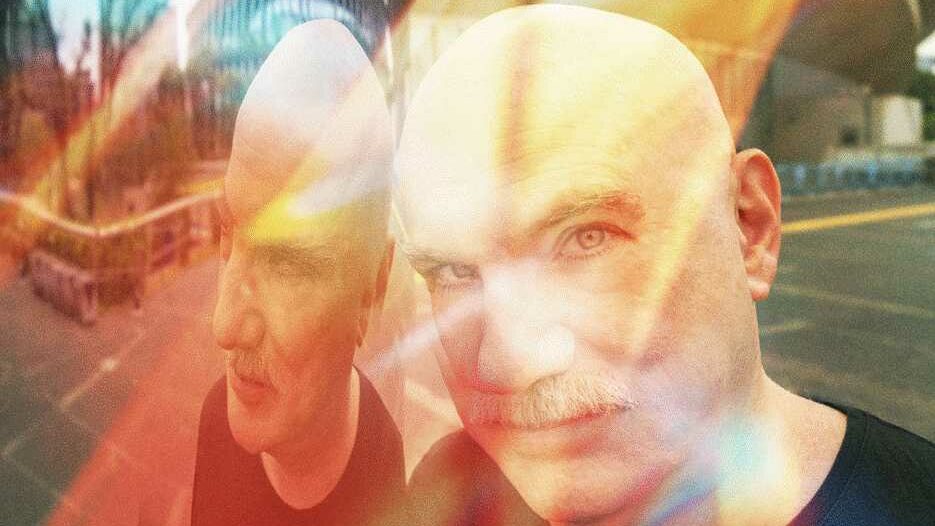
Matthew Waldman has spent decades moving across physical and conceptual borders, evolving from a freckled, long-haired kid who faced bullying to an artist, designer, and educator teaching innovation at a graduate school in Tokyo. Recording under his childhood nickname BUTCHIE, an ironic moniker born from being constantly mistaken for a tomboy, he treats identity as an adaptable architecture.
Identity as a Creative Framework
His latest LP, “EVERPRESENCE,” created alongside Teleman bassist and producer Peter Cattermoul (Pete Catt), sets husky narrative vocals over a sleek blend of synth-pop, disco, and psychedelic electronics.
Personal Struggle, Public Collapse
The record connects deeply personal memories with broader forms of systemic collapse. In BUTCHIE’s world, nostalgia becomes something to question and rework rather than simply indulge in; for instance, “Gaslight” examines the aftermath of a 24-year relationship, using personal experiences of manipulation and self-doubt to explore broader themes of blame-shifting, nostalgia, and the ways cultural narratives can obscure real-world crises.
“Being gaslit by someone I loved was particularly brutal and manifested in both emotional and physical symptoms, forcing me to confront how deeply it had shaped my sense of reality.”
— BUTCHIE
Returning to the Body
Once you’ve had your head messed with like that, getting back inside your own physical skin becomes an obsession, which is where the rest of the record goes. “Architecture of the Mind” takes a more physical approach to that wake-up call, using a car crash as a catalyst for reconnecting with the body. The track combines dark humor about everyday health concerns with references to environmental science and broader social anxieties. “Drums of Disco” considers how nightlife, memory, and perspective can shift over time. Drawing on a poem from the 1980s alongside contemporary research on aging clubgoers in Berlin, Waldman connects personal recollection with present-day observation rather than treating the past solely through nostalgia.
The Soundworld of “EVERPRESENCE”
The album sits wrapped in dense, multi-textured synth-pop layers, handing fans of the genre a clear and organic syllabus of its musical DNA. A Giorgio Moroder–influenced Italo-disco sensibility appears throughout the album, while the tracks also evoke elements of Kraftwerk’s mechanical rhythms, DEVO’s synthetic bounce, and John Maus’s hazy, off-kilter atmosphere. BUTCHIE leans heavily into distorted, digitized vocals and relentless arpeggiated synth lines, even channeling the full-blown, unhinged synth experiments of Wendy Carlos on the title track “Everpresence.”
With “EVERPRESENCE,” BUTCHIE delivers a confident synth-pop project that stands out among the year’s releases. The album pairs accessible, melodic moments with experimental electronic textures, offering elements that may appeal to dedicated synth-pop listeners as well as more casual audiences. Balancing accessibility with experimentation can be difficult, and BUTCHIE handles that tension with confidence and musical skill.