
The Rise of Eastern Dark Techno Through a Lens Darkly
In partnership with Republicist
By Grace Butler
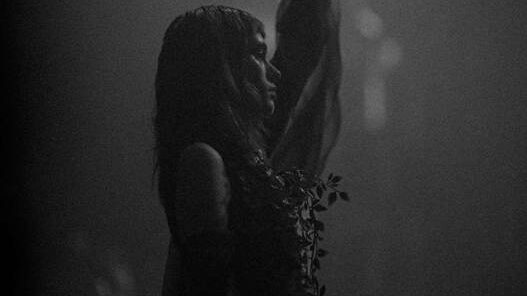
The night begins with silence. No signs, no sponsors, no glossy stage design with backup dancers. When the door opens, the sound swallows you whole, light is rationed, and the room is so dark it feels underwater; you’ve been pulled into a deluge. Northern Dark Techno Engineers Sub Imperium’s artillery-like beats are aimed directly at your senses, their faces hidden behind cables and shadows, and the only way to orient yourself is through the alluring vocals of the genre’s Priestess, Solitary Garden.
Notes From The Underground
Ravers here don’t rally around P.L.U.R. in the usual way; the energy skews sharper and more aggressive, aligning more closely with heavier music sensibilities. Sweat gathers quickly, dripping from shoulders and foreheads, plastering hair to faces. The crowd operates as a collective, where no one stands out, but everyone matters. This isn’t a spectacle. Dark Techno artists do not arrive with fireworks and applause. They march on stage surrounded by black flags, among them, militant engineers like Inquisitor take the stage with the severity of doctrinal enforcers.
There are no smiles. No greetings. Attendees have prepared for catharsis with the same energy as Boston and East Los Angeles Hardcore Punk.
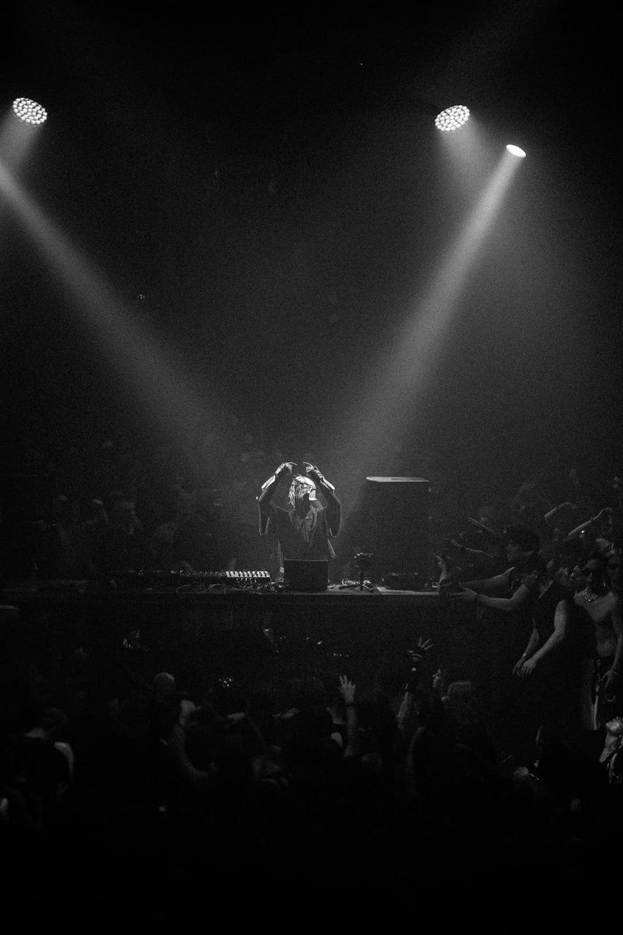
The underground’s visionary, Alex Verhalle, journeyed to Moscow’s Monasterio as the silent archivist of this subculture. The Belgian artist depicts the room as it is physically experienced, with an emphasis on texture and rawness rather than polish. Verhalle encounters Dark Techno not as a lifestyle but as an ordeal. He does not interpret; he observes, “awake but always dreaming,” in his own words.
The ritual seeps into his frames, where glamour vanishes, and raw essence survives. Fatigue, intensity, and release all appear in his images, suggesting what many in the subculture believe: The most genuine moments happen once performance gives way to honesty.
“A way of imprisoning reality.” Verhalle applies this idea to a crowd that adopts a heavier, more ritual-driven atmosphere. He shows Dark Techno not merely heard but seen, etched in sweat, energy, and shadow, ritual preserved by the underground’s silent witness.
The Great Schism of East and West
While mainstream hard techno has been pushed toward commercialization, with pop acts like FKA Twigs dabbing into raver culture to gather needed energy by booking Hard Techno DJ’s to hype album release parties, a parallel movement has grown in the East, centered at Moscow’s Monasterio, where Solitary Garden has splintered from the commercial Hard Techno genre into something new: harsher, less forgiving, engineered for confrontation.
By the mid-2020s, hard techno had grown increasingly prominent. Short-form social media edits helped propel high-tempo tracks into wider circulation, producer imagery became more visually mediated, and the genre found a place on large-scale festival stages within the broader EDM ecosystem. In some cases, acts have been packaged using the same marketing logic applied to pop artists. That aesthetic is precisely what Eastern Dark Techno rejects.
Monasterio is the crucible of Russia’s underground and is widely recognized for launching top names in the genre before they break through. They see over-commercialization as dilution, a betrayal of the form’s roots in subcultural struggle. Its philosophy is one of severity, with a crowd that demands ritual over spectacle. The name is deliberate, invoking asceticism, devotion, and sacrifice, where thousands of bodies compress in the dark as the music grinds without relief.
For these ravers, who are often dressed in paramilitary tactical aesthetic, Monasterio offers something that global techno culture has abandoned: an authentic underground. To enter its orbit is to be absorbed into a discipline.
They Come from the North
As every monastery has its Hierophantess, Monasterio hosts a Solitary Garden. She stands apart from today’s pop landscape through a deliberately reserved and mysterious public persona. Her performances are not invitations; they’re summons, announced on a few days’ whim.
Alongside Northern Dark Techno Engineers, Sub Imperium, and Solitary Garden treat sound as a sacrament. Their sets are immersive, designed to dissolve time. Attendees speak not of entertainment, but of altered states. Here, techno isn’t festive, it’s purgation.
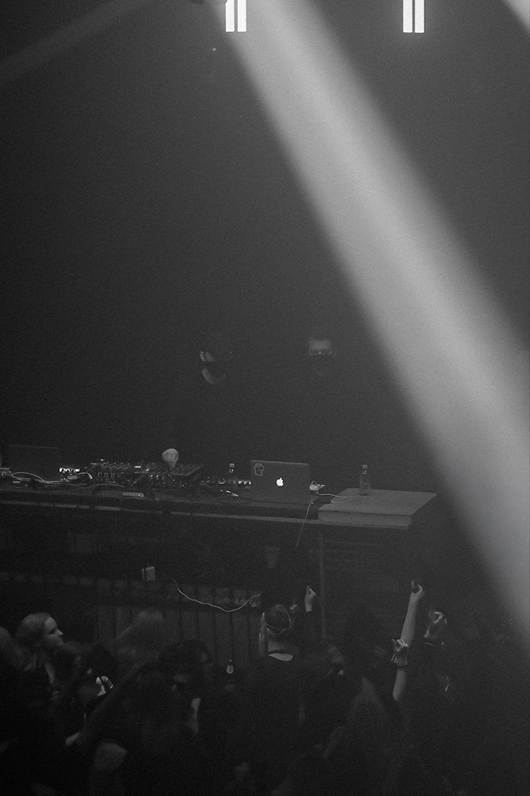
Dark Techno embraces hardship as texture; its harsh, post Soviet cyber aesthetics can be heard and seen: industrial decay, militarized imagery, and a rejection of pseudo-optimism. In Dark Techno, neon is replaced with blood red light and shadow.
At the core, this is a schism. Mainstream hard techno has increasingly adapted to festival-scale audiences. Dark Techno, as cultivated by Solitary Garden, Sub Imperium, and Monasterio, takes a different path. Within underground circles, there is a renewed emphasis on maintaining immediacy and intensity as defining qualities of hard techno. The new movement reclaims extremity not to entertain, but to unsettle; its rise is not polished, and it is not meant to be. It is abrasive, confrontational, and intentionally difficult; darkness becomes authenticity, rejecting entertainment in favor of ordeal.
Credits:
Solitary Garden Wears: Xi Scorpii Dress
Image Art: Alex Verhalle
Lighting Director: Gryazniy Svet
Sound Engineer: Alexander Andreev
Hair Stylists: Sasha Patlataya and Katya Bernstein, Birdie Moscow
Makeup Artist: Liza Radugina
Executive Producer: Republicist
Executive Producer: Valeria Kaplina