
The Time Is Now to Live Personal Dreams and Not Others’: Why Creative Careers Deserve to Be Taken Seriously in the AI Economy
In partnership with APG
By Will Jones
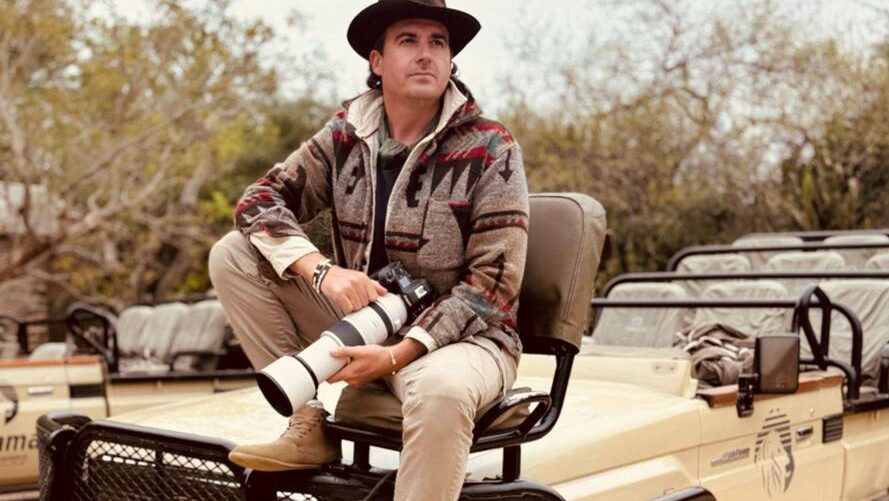
As AI reshapes work, Archie Brooksbank argues creative careers are more viable than ever, highlighting how human insight and originality are becoming essential skills.
For years, an assumption has shaped how creative work is perceived. According to Archie Brooksbank, filmmaker, photographer, and founder of Bladesman Productions, many young people are still told, explicitly or indirectly, that art is a hobby rather than a profession. He recalls that message clearly from his own education and, in his view, it continues to influence how emerging talent approaches career decisions today. At the same time, he notes that advances in artificial intelligence are beginning to challenge long-held beliefs about which careers are truly stable.
Beyond Conventional Career Definitions
That perspective is becoming increasingly misaligned with the reality of work. According to a report, 44% of workers’ core skills are expected to change by 2027 as automation and artificial intelligence reshape traditional roles. Brooksbank notes that this shift is not only technological but directional, placing greater emphasis on creativity, problem-solving, and human interaction. He suggests this transition is also redefining how value is created, with human-led skills becoming increasingly central.
He sees this moment as a turning point. “I was told at school that art was a hobby, not a job,” he says. “That idea still lingers today, and it makes people feel like choosing a creative path is somehow risky or unrealistic, when in reality it can be a very fulfilling and sustainable career.” This idea is reinforced by the hierarchy of subjects’ value in schools, with art often residing at the bottom.
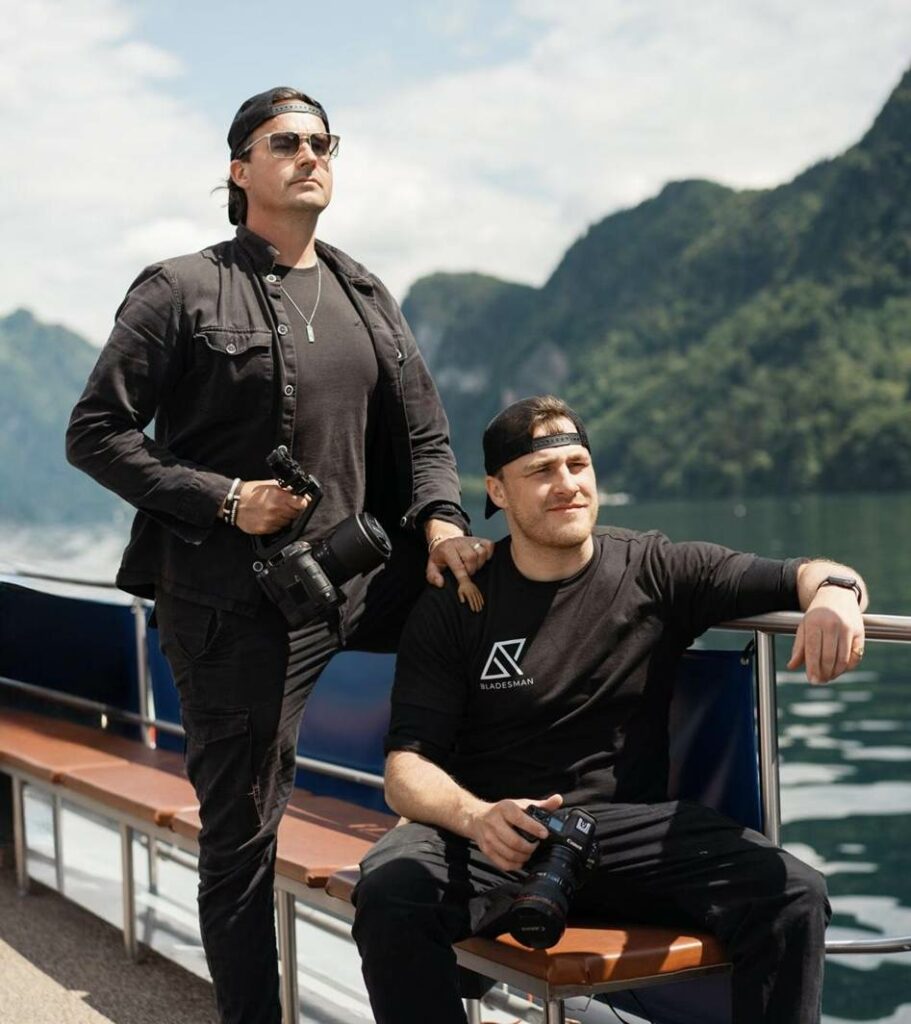
The Enduring Value of Human-Led Creativity
As the founder of Bladesman Productions, a production company working across branded content, music, documentary, and advertising campaigns, Brooksbank has built a career grounded in visual storytelling and creative execution. The company operates at the intersection of media production and marketing, producing films, campaigns, and creative assets for clients across industries. From his perspective, the evolution of technology is not diminishing creative work but elevating its importance.
He explains that while AI is capable of streamlining repetitive or process-driven tasks, it still relies on human input for direction and meaning. “AI can support the process, but it has never had its heart broken or lost a loved one, and so can never truly emotionally connect with creativity. Great art comes from the lived human experience,” he says.
Brooksbank notes that this shift is also influencing how career risk is defined. Historically, he explains, creative paths were often framed as uncertain, while more conventional professions were considered stable. “This distinction is becoming less relevant,” he says. “As automation expands, roles once viewed as predictable seem to be evolving or disappearing, creating space for new forms of work that prioritise originality and adaptability.” He adds that roles once seen as secure are now subject to change, while creative capabilities are gaining relevance.
“The people who can think differently, communicate effectively, and bring emotion into what they create are becoming more valuable.”
Reframing Resilience and Growth
His own journey reflects that transition. He explains being diagnosed with dyslexia at a young age, which was seen as a limitation within a traditional academic environment. Over time, he came to view those challenges differently, noting that they pushed him to develop skills beyond conventional frameworks, including communication, creativity, and resilience.
“I had to find other ways to stand out,” he says. “That pushed me to develop strengths in areas like creative thinking, questioning the norm, and embracing my rebellious nature. These weren’t always valued in school, but they turned out to be essential later on.”
Those strengths, Brooksbank notes, became central to his career. Following a scholarship supported by his abilities in art, music, and sport, he entered the creative industry, where, in his experience, early exposure came through connections in the music world. He credits those opportunities with opening doors, while maintaining that sustaining a career required persistence and adaptability.
That mindset was reinforced by a life-changing experience in his early 20s. Following a serious accident in which he broke his neck, Brooksbank reassessed his direction and committed fully to his creative path. From his perspective, the moment clarified the importance of pursuing work that felt meaningful.
Cultivating Passion in a Shifting Landscape
“It made me realise how quickly things can change,” he says. “If you have something you’re truly passionate about, there is real value in committing to it and seeing where it can go.”
Beyond individual experience, he highlights a broader cultural tension. The education system, he suggests, often reinforces caution, encouraging students to avoid failure. In contrast, creative industries frequently reward experimentation and persistence. According to Brooksbank, this gap can make it difficult for individuals to pursue non-traditional careers with confidence.
“Failure is part of growth,” he explains. “In creative work, you learn by doing, by trying things, and by pushing boundaries. That process is where progress happens.”
Mentorship and environment also play a role. Brooksbank points to the importance of surrounding oneself with people who support ambition and offer guidance. He notes that creative careers are built on talent, relationships, consistency, and a willingness to seek opportunities.
From his perspective, the current moment offers a unique combination of factors. “Technology is reshaping how work is structured, and at the same time, access to tools and platforms has expanded significantly,” he says. “For anyone considering a creative career, the barriers to entry are no longer what they once were, even as the expectations around quality and originality continue to rise.”
He believes that awareness is the starting point. “A lot of people are following paths that were defined for them,” he explains. “Taking the time to ask what you actually want to do can change everything.”
In a landscape shaped by artificial intelligence and shifting career structures, that perspective carries added relevance. “Creative careers are no longer confined to the margins of the professional world,” Brooksbank says. “Instead, they are increasingly aligned with the skills and mindset that modern work demands, suggesting that what was once considered unconventional may now be essential.”