
Why Do UK Producers Have to Fight to Get Paid? Attorney Daniel Cruz Hernandez Explains
In partnership with Producer Royalty
By Matt Emma
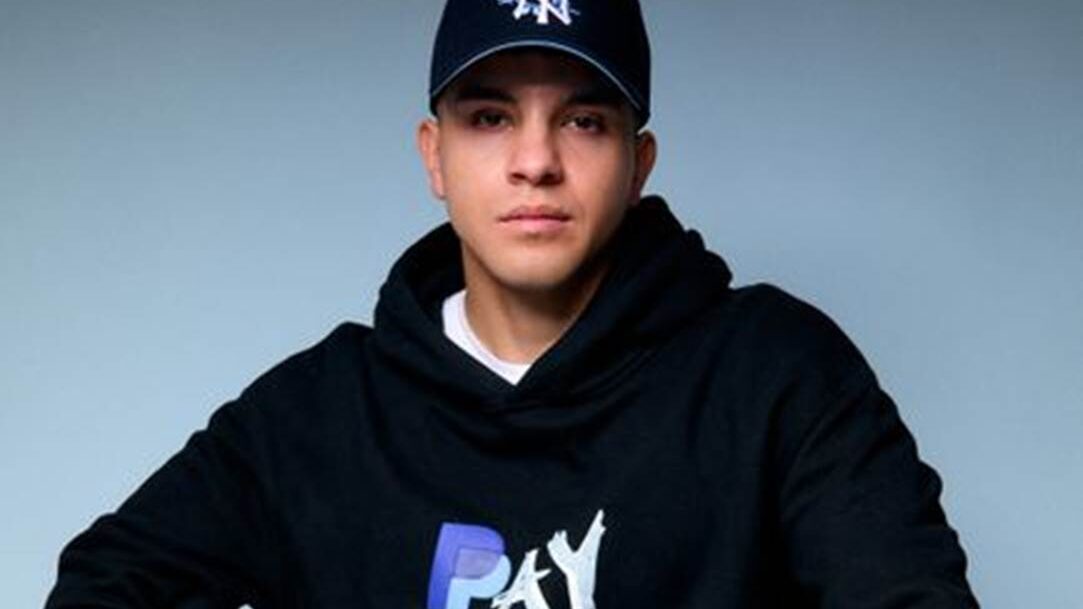
Music attorney Daniel Cruz Hernandez says the internet has dramatically increased the number of producers competing to work with artists. That competition has fuelled a “crabs-in-a-barrel” mentality: many are happy just to receive a credit, while asking for payment is seen as risking future opportunities. In the UK, he says, the problem is even worse.
In US hip-hop, producers typically negotiate a small percentage of a master royalty, which is an upfront advance and a share of publishing on major label releases. In the UK, receiving publishing alone is standard. For some of Hernandez’s clients, that negotiated percentage on a single song has translated into hundreds of thousands of dollars in royalties. A percentage that looks small on paper can make a substantial difference to a producer’s livelihood.
“As a producer, you never know when your next placement will come,” Hernandez says. “That’s why it’s so important to make sure you’re collecting every dollar you’re entitled to from the songs you’ve already made.”
Yet gaps in music-business education and access to representation leave many producers unaware of their rights or the money available to them. Through his company Producer Royalty, Hernandez says his team has recovered more than $1 million in master royalties for UK super producers alone.
“With our UK clients, we’re going back to songs that are five or more years old and finding hundreds of thousands of dollars in royalties most clients didn’t know existed,” Hernandez says.
What the deal leaves out
Finding that money starts with understanding who should be paying it. Producer master royalties are often paid directly by the record label or artist who controls the master recording. UK producers accustomed to receiving publishing alone may not know how to negotiate them. Then even when an artist agrees to a royalty, collecting it is a separate challenge.
Each label has its own collection process, and Hernandez says producers can spend months, sometimes years, chasing accounting and payments. In his experience, the process can be even more challenging in the UK, where systems for producer royalties are less developed than those at US labels.
Those difficulties led him to found Producer Royalty, which he describes as one of the first companies dedicated to administering producers’ master royalties. In his view, producers should not need to hire a separate company simply to chase money they are already owed, but that is the current state of the industry. If labels and artists made accounting and payment straightforward, much of that work would be unnecessary.
When the conversation goes quiet
For other producers, the problem is bigger than royalty percentages. Hernandez says many of his clients’ biggest songs were released without a signed producer agreement. A song can be out for months or years before anyone contacts the producer to negotiate and finalise a contract.
Silence leaves a producer weighing the value of pressing for an agreement against the possibility of being invited back into the studio. A producer can watch a song they helped create become a commercial success without knowing when, or how much, they will be paid.
Across his companies, Hernandez says his team has had to take down hundreds of songs simply to get a response from artists. In his view, having to put a release’s availability at risk just to start a business conversation shows how difficult it can be for producers to enforce their rights.
Bringing business knowledge into the studio
Hernandez encourages clients to challenge those expectations and see pursuing fair compensation as part of changing the standard for everyone. That effort extends beyond negotiations. Hernandez began building Producer Royalty while he was still in law school, combining royalty collection with free music-business education.
“There is a huge void in the UK market when it comes to education on the music business,” he says.
The pressure to accept credit in place of compensation was a central focus of his UK podcast tour, he says, which featured guests including TK Tha Great, King Wizard, Sean D, Eight8 and many others. The conversations brought those experiences into the open and examined how producers could support better business practices across their community.
But recognising a problem does not always give a producer the means to resolve it. The need for representation alongside that education shaped Hernandez’s next step.
“These are the problems that led me to start The Royalty Law Firm, the first law firm built specifically for producers,” Hernandez says. “Producers needed representation focused on their side of the deal, from negotiating new placements and publishing deals to fighting for money they should have been paid years ago.”
Alongside that legal support, he encourages producers to build identities audiences recognise through their own releases and collaborations. A stronger public profile can improve their negotiating position, while business knowledge helps them build the lasting careers they desire.
For Hernandez, the goal is for each recovery to influence what happens next. A producer who discovers substantial unpaid royalties in an old song has a concrete reason to approach the next placement differently: with a clearer understanding of what their contribution can earn, and a greater willingness to ask for it.
The information provided in this article is for general informational and educational purposes only. It is not intended as legal, financial, or professional advice. Readers should not rely solely on the content of this article and are encouraged to seek professional advice tailored to their specific circumstances. We disclaim any liability for any loss or damage arising directly or indirectly from the use of, or reliance on, the information presented.