
Meet Liana Flores, the English-Brazilian singer blending bossa nova and pastoral folk
The Norfolk-raised songwriter discusses turning her back on TikTok virality and crafting a new path
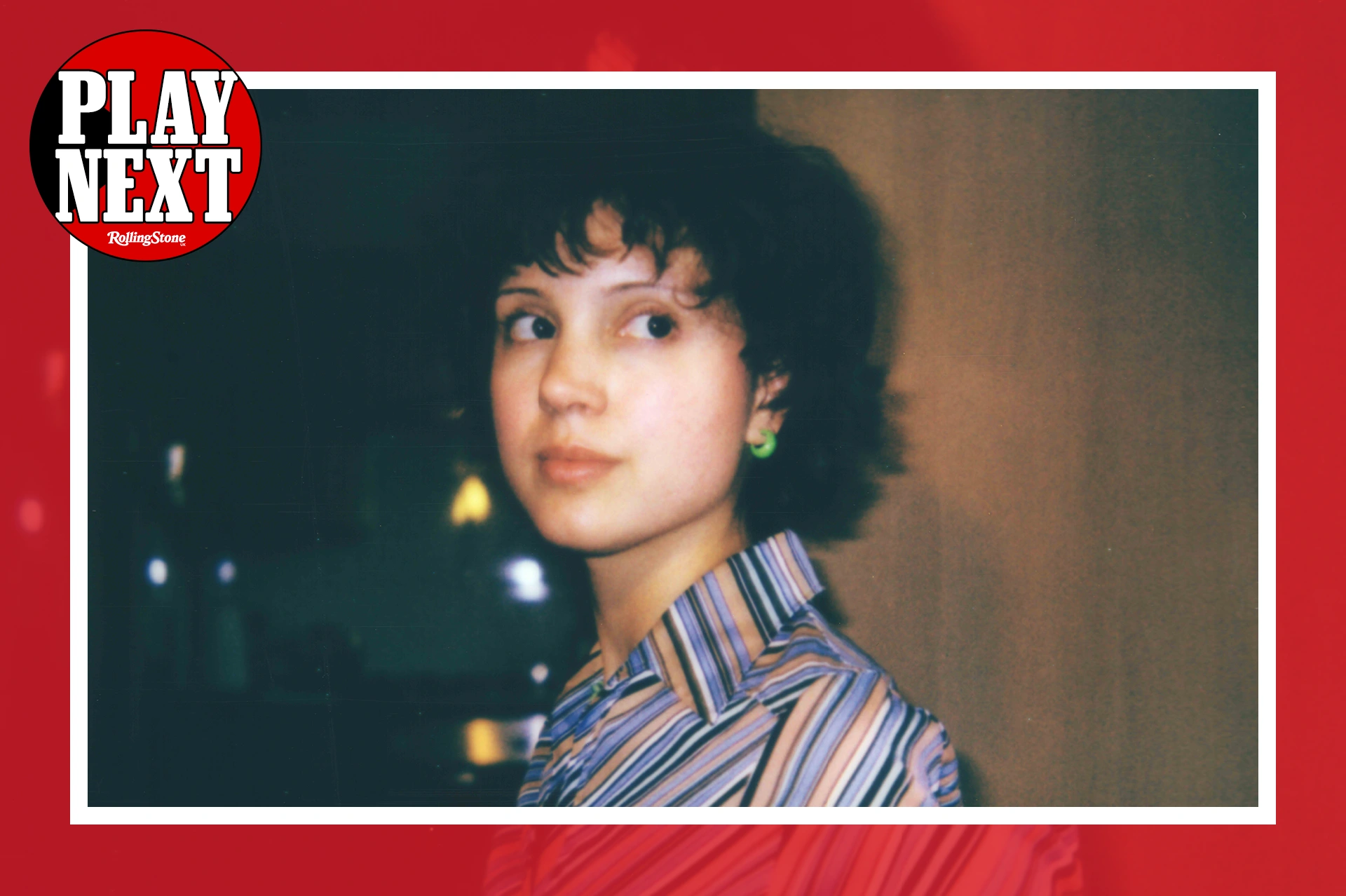
Norfolk-raised songwriter Liana Flores can attest to both the up and downsides of TikTok virality. Her song ‘rises the moon’, a delightful blend of the bossa nova of her mother’s homeland Brazil and the folk and pop she heard on the radio, found a wide audience in 2021 and put her into the spotlight. As she tells Rolling Stone UK: “I can’t stress enough, I’m literally a random person from south east Norfolk. It’s cool that the internet works this way sometimes.”
Despite this, the pressure to follow up the single and a parallel ambition to study Zoology at university in Scotland led her to put music to the side. Flores explains: “I think I was just stubborn. I was like, ‘I can’t let this thing that I didn’t sign up for change my life path at this stage. I’m not going to change my plans and make music. I’m going to graduate and then I’ll see about this’.” In her mind, she thought: “This is going to be over in five seconds. Nobody’s going to care about this song or the next thing in 15 minutes. I can just let it pass.”
After getting breathing space from the breakneck pace of the music industry, let alone the viral TikTok ecosystem, she began writing songs again and released debut album Flower of the Soul in 2024. She returns this week with new EP And so it goes…, tracking her move from the countryside to London, while musically fusing bossa nova with pop and folk in the most confident way yet.
Read our Play Next interview with Liana Flores and listen to her music via our Play Next playlist on Spotify below.
Take us back to your first interactions with music. Where and how did you first discover it?
It was through different choirs and art school theatre and stuff, but also these two Brazilian CDs, basically the [only] two Brazilian CDs that you could get in an HMV in Norwich in 2005. It was the two Bebel Gilberto records that were out at the time, crossing over with the trip-hop thing. At the time, I didn’t know anybody else who listened to that stuff, so I wouldn’t talk about listening to it or anything.
Was that from wanting to connect to your heritage through your mother?
I was looking for a CD to listen to [and thought], ‘What’s Brazilian that we can find here?’ Every so often a relative in Brazil would send a CD, and then we’d have that as well. That’s how I started listening to Leila Pinero, another bossa singer, but more from the 90s than any of the classic stuff.
You’re also a fan of folk and pop music – what’s the thread that connects all these genres in your mind?
The common thread between all the music that I’m interested in – the musical theatre stuff, some ’60s pop stuff (I’m obsessed with the Beach Boys) and certain classical music – is something that can have a lot going on harmonically, or some harmonic interest in complexity, but at the same time be immediate. A lot of old Disney music is like this as well.
Can you tell us about the influence of folk music in particular?
For the last album, the mission was to bring together the more folky side of things in terms of the themes, with a lot of songs about nature, with the Brazilian stuff. I like that, with both bossa nova and folk music, you can play the song effectively with just guitar and voice. That was useful to me at the time growing up, because I didn’t know any other musicians [and I couldn’t really produce.
Your career has two parts to it so far, with an almost accidental breakout viral hit, before you stepped back to continue your studies. Can you talk us through what happened?
I was recording these folk songs, with a bit of bossa nova. I’d never set foot in a studio, so I was just recording into a webcam microphone mostly. I recorded one of those projects in the first year of uni, but I thought it kind of sucked. I don’t know. I think I just didn’t have any belief in it or any urge to keep doing it, really. I made a couple of those projects, and then I was like, ‘I’m done with music now.’
Were you being pushed to follow up this success with more of the same thing, and did that increase your desire to leave it behind for a while?
That’s a good question. I think it’s more that I was stubborn about it. I didn’t have a TikTok account [and] I’m still kind of anti-TikTok. I’ve gone back and forth on this in the last few years. I’m like, ‘Oh no, maybe it’s good. Maybe it’s cool that people can get their music discovered there’. But at the moment, I’m [thinking] it’s overall a negative force. But that’s a side tangent. I think I was just stubborn. I was like, ‘I can’t let this thing that I didn’t sign up for change my life path at this stage. I’m not going to change my plans and make music. I’m going to graduate and then I’ll see about this’. Also in my mind I was like, ‘This is going to be over in five seconds. Nobody’s going to care about this song or the next thing in 15 minutes. I can just let it pass’.
What made you want to start making music again, and how did moving to London accelerate that?
The plan was always to move to London, so I still did that. When the TikTok thing happened, I guess that set off some sort of algorithm that causes a lot of labels to automatically ping emails at you. I replied to a few of them to see if anybody was still interested, and ended up signing to Verve Records in the US and Fiction in the UK. I was able to get in the studio for the first time and make a record, which I never thought would happen.
Did this second chance of sorts change what you wanted to present with this new music?
I suppose it broadened my options, knowing that I would be able to record with other musicians. I would write songs being like, ‘We can have drums in this song’, which changed how I would approach writing the song. That changes the shape of a song. At the time it was three or four years since the last project, long enough that the approach wasn’t still fresh in my mind from the last one, so it felt like I was coming at it in a new way.
What did you learn from making that album that you’ve taken into this new EP?
It was the scariest experience possible. We recorded in LA and the time I’d never been to America. I can’t stress enough, I’m literally a random person from south east Norfolk. It’s cool that the internet works this way sometimes. I was working with a producer who’d made some records that I absolutely love, but was terrified to work with. He’d worked on some of Joanna Newsom’s stuff, and I was like, ‘I’m not Joanna Newsom’, so I felt kind of guilty for being there. There were all of these strange Dorothy goes to the Emerald City moments. The Emerald City was the studio, Oz was LA, and I was feeling like a bumpkin, feeling confused. Going through this crazy fish out of water experience was a learning thing, getting more comfortable in the studio, or not but just doing it anyway. Every day I was just like, ‘What on earth is this?’, and so I feel like this time I came at it with slightly more confidence and experience.
A lot of the new EP concerns moving from the countryside to London – how have you found that process, and why was it fertile ground for lyrics?
I think it’s more that I was writing all these songs and then noticed [what they were about]. The last album’s lyrical style was very poetic, like romantic poetry, which I think links to the environment. This one, the lyrics are more matter of fact. The city theme is something I realised after writing all of them. I was like, ‘I think this links to the environment I’m writing these songs in’.
What has going through this process made you realise about what you want to do next?
It’s a totally blank slate. There’s no way of knowing what life would look like otherwise. If you make a choice like that, that’s your path now. There’s no changing it.