
New report warns of systemic racial bias in licensing for music events in London
The REMEL (Race Equality in Music Event Licensing) report has revealed the huge financial cost of licensing bias in the capital
By Nick Reilly
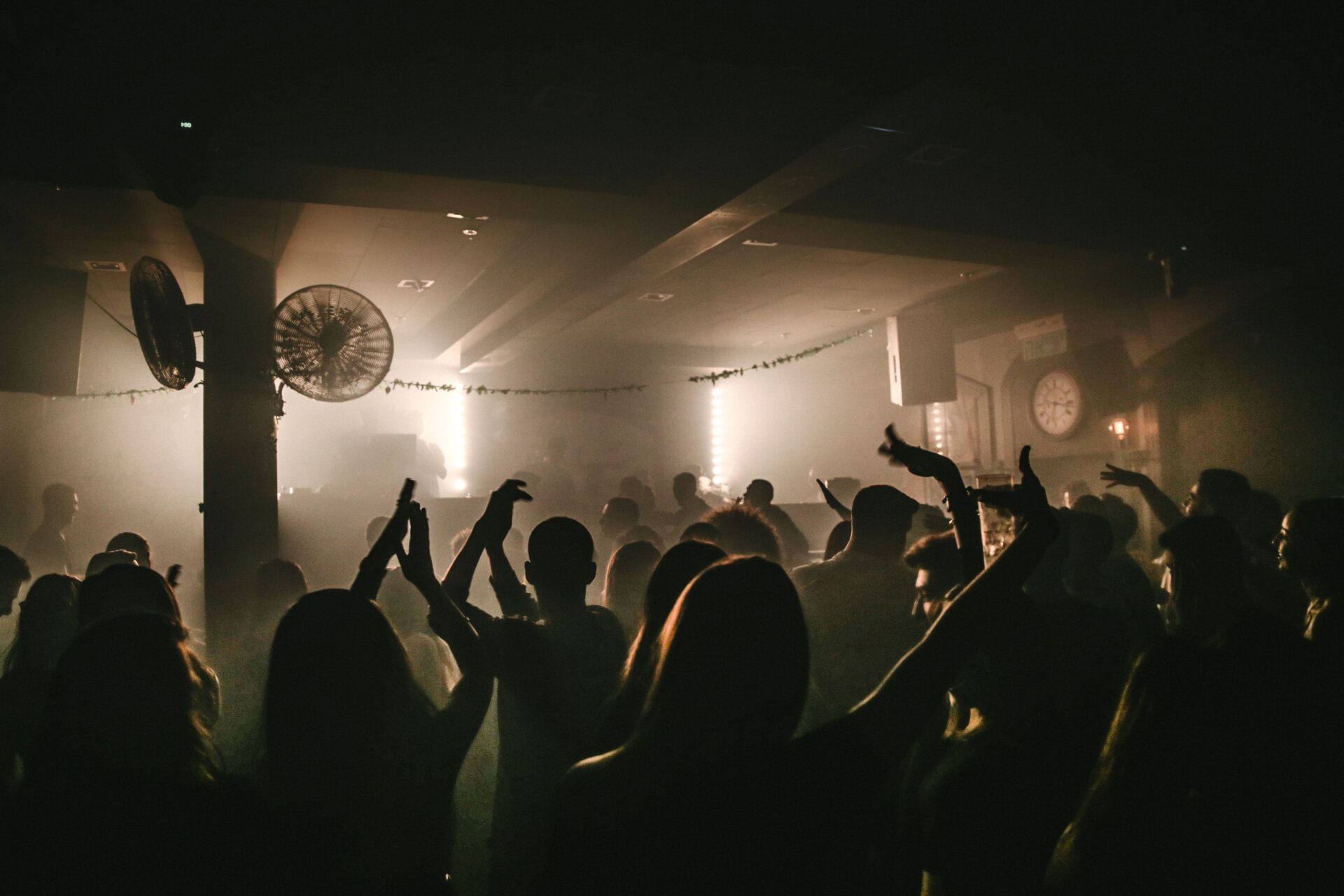
An extensive two-year investigation has uncovered evidence of systemic racial bias related to licensing in in London‘s live music scene, with Black music events being cancelled and shut down at a significantly higher rate than white-led events of a similar scale.
The findings come courtesy of the REMEL (Race Equality in Music Event Licensing) report, published by Black Lives in Music (BLiM), which reveals that licensing bias has cost London’s Black and South Asian live music scene between £127 million and £141m in lost annual spend.
The figure rises to more than £650m over five years and the report claims that South Asian and Black promoters often face events being cancelled unexpectedly, with organisers often receiving no explanation.
Genres associated with those ethnic groups, such as Afrobeats, R&B, hip-hop and dancehall, are often flagged as being at high risk.
The report authors are now calling for clearer licensing decisions, as well as evidence of consistent standards and a greater cultural understanding among licensing committees.
“Licensing doesn’t just affect a few artists or a handful of events,” Black Lives in Music chief executive Charisse Beaumont said. “It touches every part of the music ecosystem, from the young artist trying to get their first gig, to the promoter building a platform for emerging talent, to the local venue that brings life to a community. Across the research, people called for a licensing system built on transparency, dialogue, cultural understanding, clear definitions of risk and a shared commitment to safety.”
The report has been welcomed by bodies such as the Musicians’ Union, UK Music, the Music Venue Trust, the Night Time Industries Association and LIVE trust.
The REMA report also explored the lasting legacy of Form 696, which was introduced in 2005 after a spate of shootings at London clubs, but scrapped in 2017 after it was deemed to be a “racist” risk assessment.
It claims that “institutional racism” is now being “reproduced” through routine processes leading to event cancellations, rather than explicit bans.
Speaking to the BBC, Metropolitan Police commander Neerav Patel said the force understood the “concerns and differing views” on the matter.
“Our focus will remain on making fair, evidence-based contributions to the licensing process which balance the interests of venues, promoters, artists and local communities, while never compromising on our ultimate priority which is to keep Londoners safe,” he said. “We will carefully consider the report’s findings in that context.”
You can read the whole report here.