
UK Music’s Tom Kiehl: The ‘Our BBC: Our Music’ campaign aims to protect the future of British music
At a time of economic uncertainty and ahead of the BBC's next Royal Charter, UK Music head Tom Kiehl explains why the 'Our Music: Our BBC' campaign aims to safeguard the future of British music.
By Tom Kiehl
I am unapologetically a big fan of the BBC. Its programming, and the Reithian principles that it is based on, have helped shape my life and inspired my interests. This is not to say it is always perfect, or gets everything right, but we are far better with it in our lives than not.
I am proud to represent a sector that has a crucial relationship with the BBC and delighted that today the music industry is coming together to launch Our BBC: Our Music – a campaign to show the vital relationship between the BBC and our world-leading music sector, which brings joy to millions, employs almost a quarter of a million people, and contributes £8 billion to the economy.
Over a decade ago, under a different government, UK Music, the umbrella body for the music industry, gathered stars Sam Smith, Sandie Shaw and Pink Floyd’s Nick Mason in Parliament to launch the Let It Beeb campaign to fight potentially catastrophic cuts. Eleven years on, there are different challenges: The BBC has faced real terms funding cuts due to reduced revenue from the licence fee and increased production costs, and has announced its intention to reduce the workforce by 10% over the next three years, but the role of the BBC for music remains as important as ever.
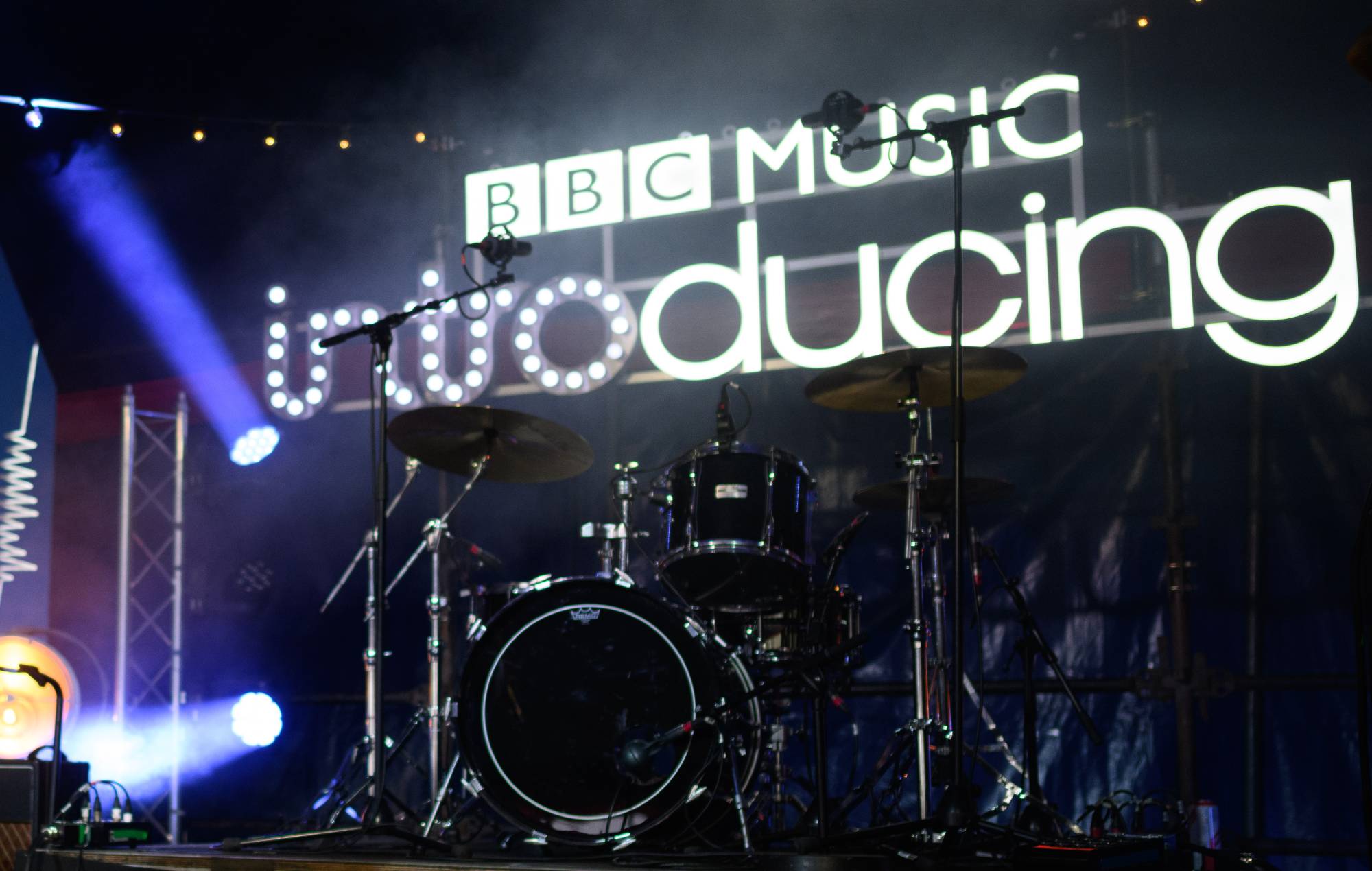
Many of the artists supporting the campaign, including Stephani B and The Anchoress have come through BBC Introducing, which provides a vital platform for early career artists. In business terms, it performs an essential part of the R&D function of our £8 billion music industry that simply does not exist in the commercial sector.
A really important part of what makes the BBC unique, and so vital for British music, is that its operating licence requires it to play a proportion of new, British and specialist content.
For example, the operating licence agreement with Ofcom for BBC Radio 1 states that “In each Financial Year at least 45% of the music in Daytime is from UK acts;” “at least 50% of the music in Daytime is new music, of which a significant proportion must come from new and emerging UK artists; and it broadcasts at least 3,129 hours of specialist music.”
This helps to sustain the vast and diverse talent pool of British music, with dedicated music stations such as BBC Radio 6 Music, BBC Radio 1, 2, 3, 1Extra, and BBC Asian Network all curating and showcasing a huge variety of excellent music, building audiences and generating income for artists, writers and music businesses through royalties.
Without the BBC, we wouldn’t hear a fraction of what we currently get to listen to. That chance discovery of a new band, or a magical live session would be a thing of the past, and our whole music scene would be governed by purely commercial considerations and be poorer for it.
Data from PRS for Music shows that 140,076 unique works were played across all BBC radio stations in 2025, of which 77% were not played on commercial radio. Data from PPL, who administer the royalties for recordings, shows that in 2025, the BBC played 174,571 unique tracks across its UK-network music-led stations, compared to 148,948 unique tracks played across commercial radio music-led stations.
It is the BBC’s public service remit that enables it to platform a breadth and diversity of music that commercial stations are unable to match. This creates an ecosystem where experimentation is encouraged, niche and underserved genres are supported, and emerging talent can find and grow their audiences. This is not just good for fans, but also widens the talent pool and increases the chances of the UK producing global icons like Adele, RAYE or Charlie XCX.
Festivals from Glastonbury to Green Man in Wales are beamed into millions of homes, accessible to all, bringing unforgettable moments to fans and, of course, unrivalled platforms and new audiences for the performers.
Next year, the government will agree the BBC’s next Royal Charter, the legal basis for the BBC to exist, and crucial decisions on funding and its remit will be made.
With a guitar-playing Prime Minister, who displays Smiths records in his office and is almost certainly a 6 Music dad, this may appear a done deal – keep the BBC, keep playing the Stone Roses on 6 Music in the afternoons. Job done.
But at a time of economic uncertainty, with competing global and domestic crises, the music community cannot be complacent and just rely on “Madchester” vibes and good will to secure the future of music at the BBC.
The Corporation recently laid out the funding challenges it faces, a 24% fall in licence fee income since 2016-17, and a mismatch between the 80% of people who pay the licence fee and the 94% of people who use BBC services.
Without a firm commitment on funding from the government, the music we love is at risk.
That’s why today, voices from across the music industry are backing the campaign Our Music: Our BBC, to make sure the government fully understands why backing a sustainably funded BBC is important, not just to our economy, and to the 220, 000 people in the UK who make their living from music, but to every single music fan. The BBC is not perfect, but it is an integral and vital part of our phenomenal music scene, and most importantly, its ours.