
Scorcher is having the run of his life
After a stop-start trajectory to his career, London rapper Scorcher is finally having the career he dreamed of.
By Seth Pereira
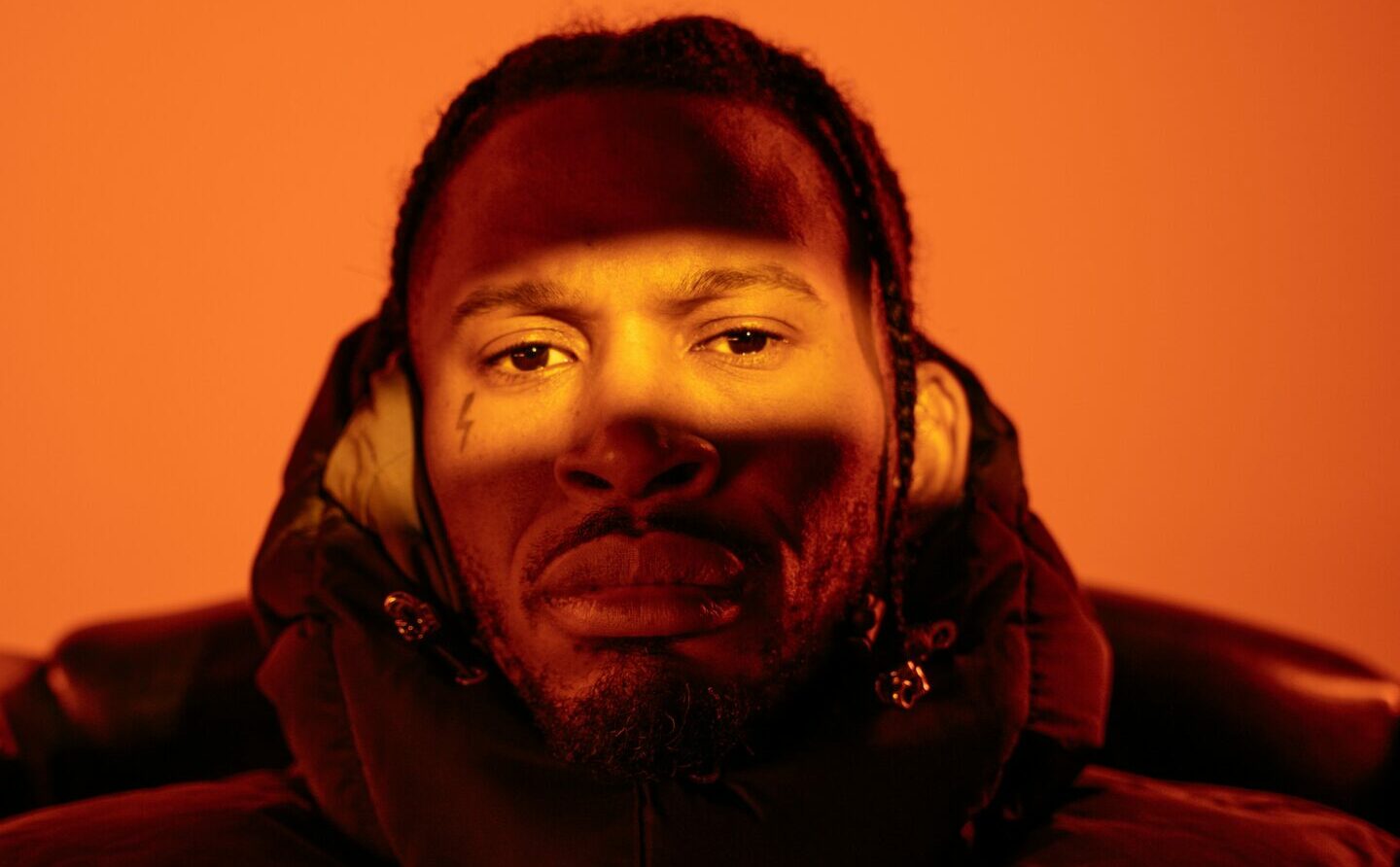
The recent run of form by London rapper Scorcher is a reminder that playing the long game can often be key to success. The North London native’s career has been characterised by stutters and false starts since as far back as 2009 when the MD that signed him departed, torpedoing his chances of extending his deal in the process. Then there’s been the various periods of incarceration that have previously scuppered any sort of momentum that he’d built.
But now he’s fully back. On the aptly titled ADMD (All Dorks Must Die), there’s a hunger and a viciousness in his voice that has been impossible to ignore these last 24 months. Rolling Stone UK sat down with Scorcher to unpack the themes of ADMD, what winning a MOBO at this stage of his career meant and why he doesn’t like being called a legend.
From Cold Blooded, to the Movement, to signing a single deal, to Acting in Top Boy and Small Axe. Over two decades in, how would you describe your journey thus far?
Scorcher: Colourful, Difficult, Entertaining. At Some points groundbreaking and, enlightening, I suppose.
Within that you’ve had a few different runs – what’s different this time around?
I think this is probably the first time outside of when I first started making music that I’m totally being myself and feeling appreciated for that. For decades probably it wasn’t that straightforward for me, or I probably overcomplicated it and I didn’t believe. But I’ll be so real with you, for the last two years, I’ve literally just been doing exactly what the fuck I like and making music for my peers and man’s community and culture. It’s for the people that grew up listening to what man was making or experiencing or aware of certain things.
With all you’ve done done in your career thus far you’ve surely reached legendary status haven’t you?
Whenever them subjects come up, I just look at it and I think not to sound rude, but I don’t remotely care about it. I think what are you doing now? Like, what’s the music saying now? I don’t know. Man don’t care about a striker that scored 30 goals three seasons ago. They give out the ballon d’or every year, bro. Go again and that’s my approach. You see whatever I’ve done before, yeah, cool, that was then. But today, I’m on this today ting. All that legend shit I don’t care about that. I’m not a legend. I don’t care about that, I don’t see myself that way. I just know I’m trying to go in the studio and come out with something that makes sense today and tomorrow. And if I can’t, then I need to not be doing this.
Kanya King passed recently so it would be a disservice to her legacy to not talk about your MOBO win. What did it mean to win at this stage of your career?
Long live the king. I think to me it probably might have meant more than it would have back in the day. And I think the thing that felt cold for me is like that when I won, people felt like we won. Because when I was nominated I didn’t even want to go, I’d never been before that. But one of my bredrins broke it down to man. He said man need to see that it’s possible. Even just being nominated from where man’s coming from. And I thought, you know what? We put so much into this thing, so let’s go have a night and go dress up. And then when man won, I was like, yo, this is crazy I ain’t got no speech prepared! The win felt special, especially at a time when people are blowing for going viral or what clothes they’re wearing or who they’re standing next to or who they signed to. There’s just so many other reasons other than this music being good.
You’ve released this album through Lizzy Records, which is headed up by Sincere who is your cousin. How has this familial guidance and influence helped your approach this time around?
He understands me. He knows the young me, the good me, the stupid me, all the different mes. So being back with my cousin, my older cousin, who’s doing really well for himself and being back in that space, in that environment, let me be the best me. I feel safe from a career standpoint. I feel if I was trying to make the wrong kind of thing or do the wrong thing or approach it the wrong way, I feel like he would let me know. I felt like more than anything, it felt like a super safe place. And then when you put that to the side and just talk about business, obviously doing business with Sincere in 2026 is quite a good idea. There’s two levels of trust, you know, both as an artist and as person as well. The joke is that he’s been telling me to do exactly what I’m doing right now for maybe 15 years or more.
Are all the Dorks dead yet?
Nearly, Nearly. It might take another project just to see them off. You get me? But we’ve managed to cull a lot of the dorks, you know what I’m saying? I feel like I have a lot less conversations that ain’t making sense. So I would say, yeah, maybe, maybe. I don’t know, though. We gotta let the dust settle first, you know?