
The Tubs, Britain’s most underrated guitar band, make a conflicted masterpiece on ‘Hard Life’
Singer and songwriter Owen Williams discusses how the band’s third album sees him taking a “harsh moral inventory” of himself, all set to divine and perfectly crafted pop songs
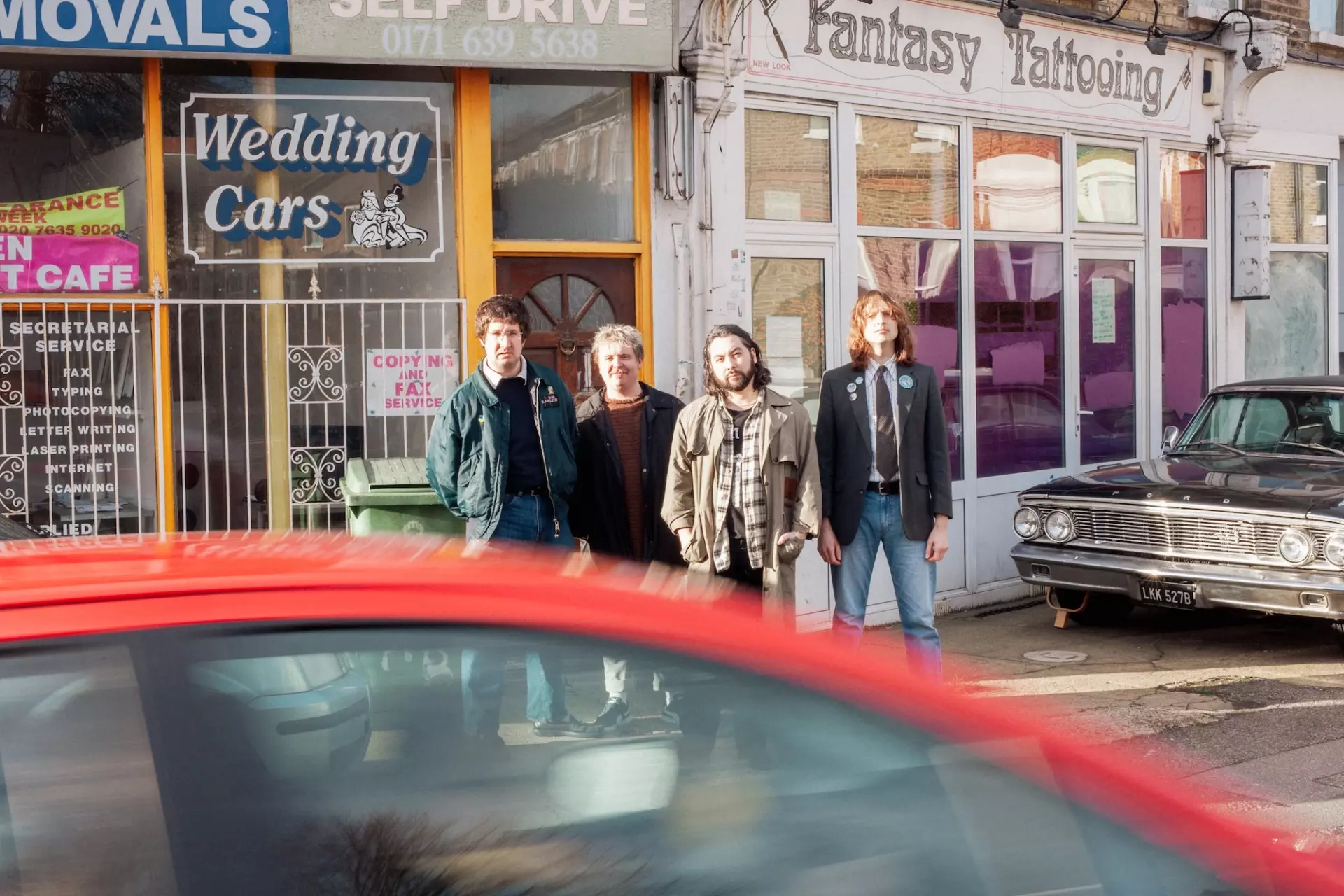
Even Owen Williams can’t quite remember all the bands he’s been in. Across the last 15 years, the Welsh singer, songwriter, guitarist and drummer has been a mainstay in the UK DIY indie-pop scene, most notably as part of Cardiff punks Joanna Gruesome. With an unparalleled ear for melody, his songs have elevated countless projects in the scene and made him one of Britain’s best and most underrated songwriters.
The Tubs began as just another of Williams’ projects. Though initially conceived as a side-project for Ex-Vöid, his band with former Joanna Gruesome singer Lan McArdle, press interest in debut album Dead Meat, then the eventual dissolution of Ex-Vöid, saw it almost accidentally take up most of his time.
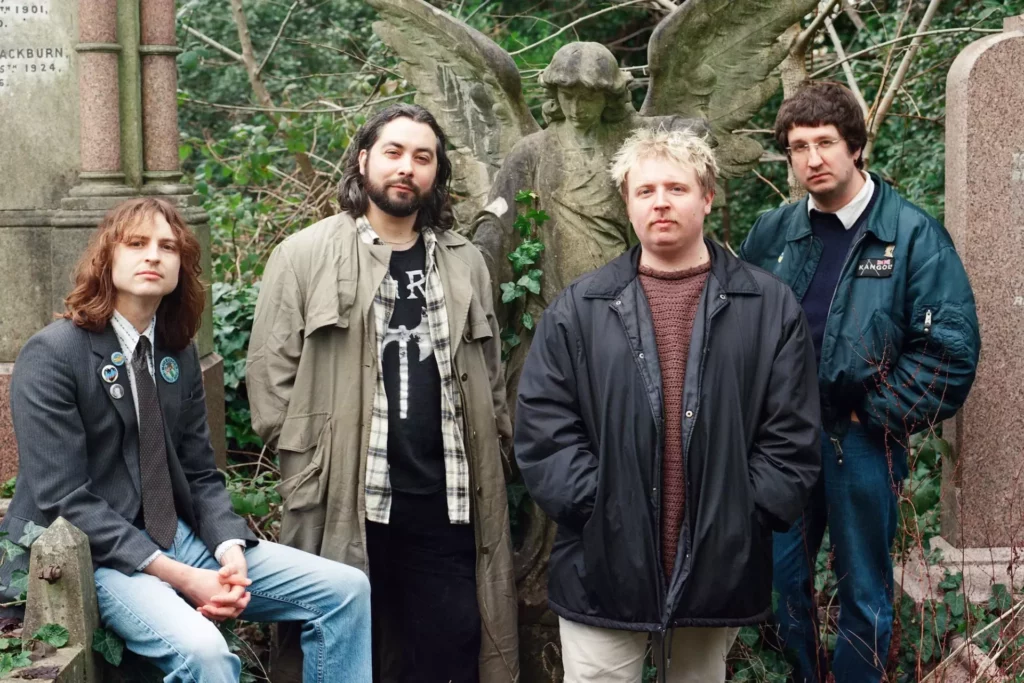
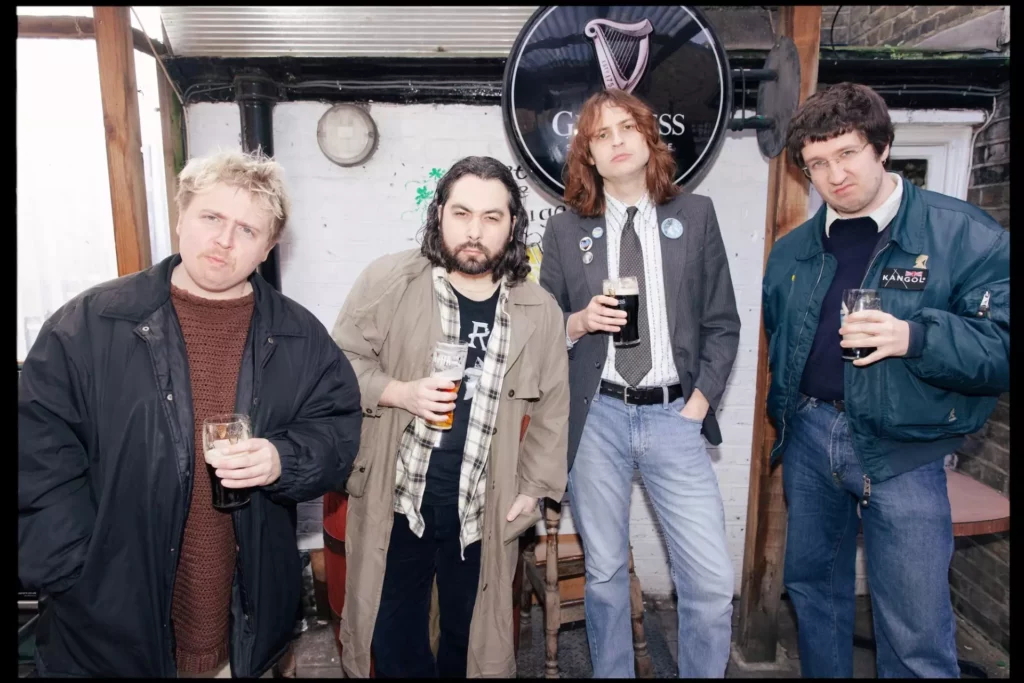
Since then, the band – also featuring Williams’ longtime collaborator and Joanna Gruesome bandmate Max Warren on bass, with Taylor Stewart on drums and Dan Lucas on guitar – released the superb Cotton Crown in 2025 and return this week with their best album yet, Hard Life, on legendary indie label Merge.
The most notable difference between The Tubs and Williams’ catalogue beforehand is the foregrounding of his voice, a deep and delightful thing that defines their sound. Most have rightly compared it to British folk legend Richard Thompson, but Williams laughs when he says that the band’s detractors (most often from the US) say he sounds like Pearl Jam’s Eddie Vedder, or “the guy from Counting Crows”.
Cycling through so many bands can often mean that the recorded output of each is limited to EPs and singles. Williams says with genuine pride and a little surprise that he’s only a member of two bands right now, somewhat of a record for the prolific collaborator. This space has allowed a narrative to unfurl across three full-length albums that have made The Tubs one of the UK’s best guitar bands.
By Williams’ own admission, the character that he created to narrate the first Tubs songs on Dead Meat was “an asshole”. Perceptions of the narrator were then muddied on Cotton Crown, with the songwriter’s signature self-deprecating style coloured by the grief of losing his mother, Welsh folk singer Charlotte Greig, to suicide. Greig is pictured breastfeeding Williams on that album’s cover, and its devastating final song, ‘Strange’, honours her. Pairing this self-deprecation with brutal honesty, he sings: “Sometimes when everyone’s high / They ask me what it’s like, if I’m alright / I say it makes me more interesting / Then we laugh and then it’s all fine.”
Of writing that song, Williams reflects: “I realised that, when you do something like that, you become fair game for people to ambush you a bit. I was interested in this idea of being a tragic figure to some people. With [Cotton Crown], I was trying to break down the persona a bit,” he says, before grinning: “I probably should be in character when I’m doing interviews…”
Concerned that he was “too confessional” on that album (Williams also recently wrote and released the book Atrocity Exhibitions: Grieving in the TikTok Underworld, about the insidious nature of algorithms learning about your grief), the plan for Hard Life was to escape the heaviness and “write a really good pop record”.
Hard Life is undoubtedly an extremely good pop record, with songs ranging from indie-pop to ‘80s synth-pop, vicious rock music and languid folk, but it also adds fascinating new narrative points. Presented on the record are two versions of Williams – one is a somewhat clueless but well-meaning guy beaten down by life but doing his best; the other stands above him, mocking his choices and attitude.
“You say you’re gonna move to London / Well, who’s gonna pay the rent?” goes the second voice on irresistible lead single ‘Who’s Gonna Love You Now?’, before the counterpart finishes the story on the chorus of ‘Heaven or London’: “I went to London and I lost my mind.”
His thoughts on love – and on himself – zigzag between being witheringly mocking and genuinely heartfelt, often within one line of each other. During ‘Stoop to Me’, Williams calls himself “a patient guy,” addressing an unrequited lover and waiting for “the day when you will finally stoop to me”. On the brilliant ‘Now and Then’, he’s content for a straying lover to “just pretend” to want him, with its agonising but sweetly sung chorus going: “You can love me now and then.”
These two voices become more pronounced with the heavy use of double-tracked vocals on the album. One voice is Williams in his natural range, which is pitted against a pitched-up counterpart that follows him around as if sitting on his shoulder – sometimes an angel, often a devil.
While ‘Strange’ lead some to paint Williams as a tragic figure, he kicks back on ‘Heaven or London’. “No more room in heaven / Not for the child of a suicide,” he sings, admitting he’s “far too late to save”. ‘Didn’t I Say?’ gives a slightly more sympathetic view as he navigates heartbreak: “I know it’s harder in your thirties / It’s sad mate, I can’t lie.”
“The subtext is me doing a hatchet job on myself,” Williams says of Hard Life’s beautifully written but conflicted lyrics (on ‘Heaven or London’, he’s “scamming myself into an early grave”). He adds: “The book deals with whether using the picture of me and my mum on [the Cotton Crown cover] was the right thing to do, or am I just grifting in the trauma world? I wrote the book at the same time I was writing this record, so the album was trying to take a quite harsh moral inventory about what I was doing. It’s this weird reflexive thing where I’m constantly attacking and contradicting myself and looking for flaws in my own logic.”
Across even just one listen of Hard Life, you feel sorry for Williams, pity him, get frustrated and angry at his choices and more, while also completely forgetting all of the baggage and escaping into the most perfectly crafted indie-pop songs you’ll hear all year.
While plenty of what The Tubs are doing keeps the strict DIY principles that Williams and his bandmates grew up with – they are self-managed and employ far less people than almost any band of a comparable size – their ambition comes from the narrative world-building across three albums that is proving a strange, fascinating tale.
The band’s fourth album is already basically finished (“I’m always one album ahead,” Williams says) and brings our character to new places, he hints. “You start off with a very unsympathetic asshole in his twenties, to a grieving asshole, to an asshole thinking he might actually be an asshole.” Album four, he suggests, will be “the character – well, me, I guess – maturing on some level.”