
Why Andy Burnham needs to offer the music industry protections against the threat of AI
In an exclusive op-ed for Rolling Stone UK, Baroness Keeley explains why Andy Burnham needs to protect the music industry against the threat of AI
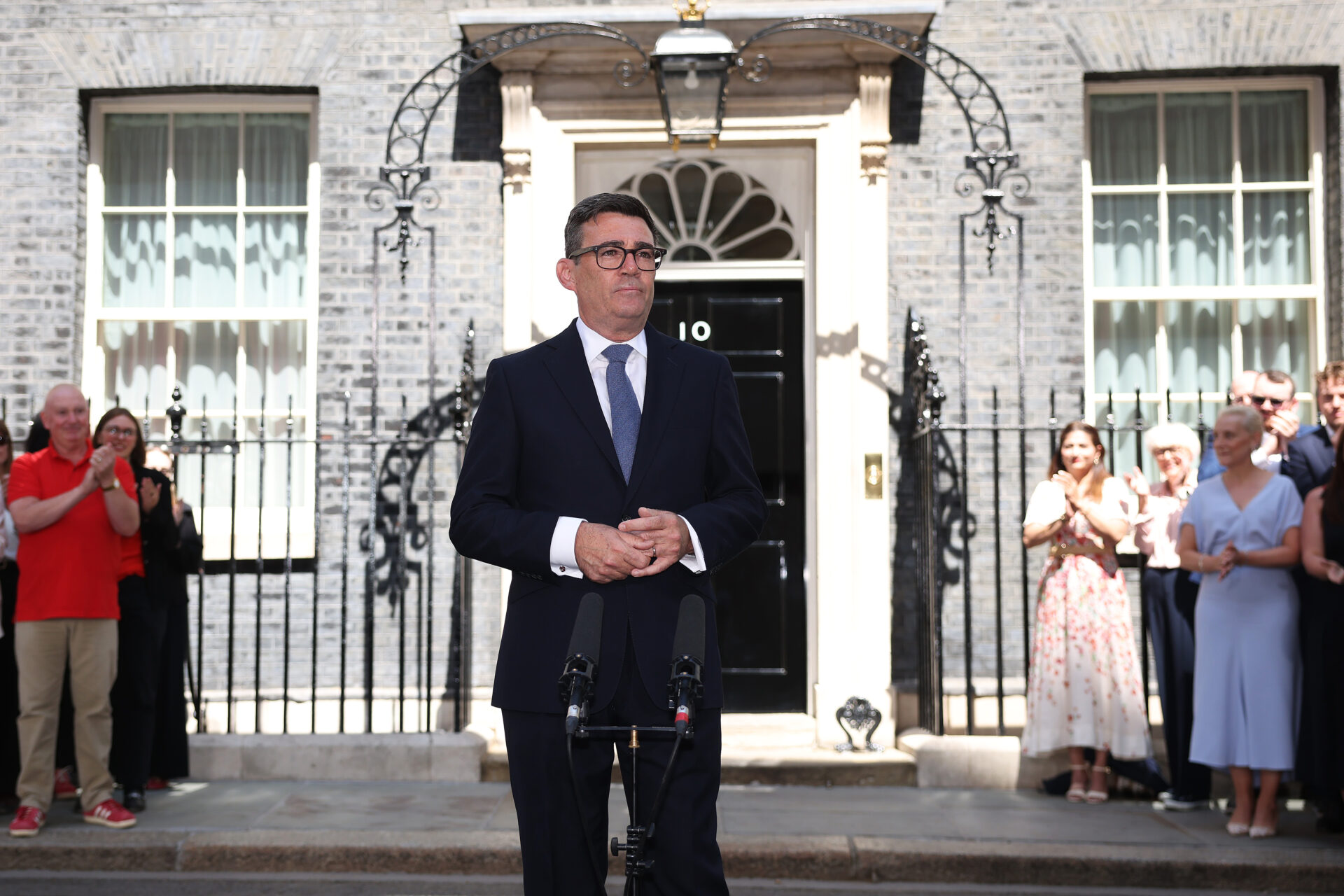
As a keen music fan, our new Prime Minister Andy Burnham will know that there are currently major challenges facing the UK music industry. He will be well aware of the immense pressure on venues, studios and music businesses due to rising costs and the barriers that still face musicians and crew trying to tour post Brexit.
The PM acted swiftly in his first few days in Number 10 by moving to cut business rates for music venues from next April. This is a welcome boost for this crucial sector, which generates £8 billion for the UK economy and £4.8 billion in export revenues each year – and the 220,000 jobs it supports.
There is another issue that poses a very real threat to the UK’s music sector and wider creative industries that requires the urgent attention of Andy Burnham and his team: artificial intelligence and copyright.
A cornerstone of our creative sectors’ current success is the effectiveness of the UK’s system of copyright and licensing arrangements. In a nutshell, these rules ensure creators get paid for what they do, and enable them to carry on producing the creative content loved by millions not just here in the UK, but across the world.
However, the protections afforded by copyright are now under threat. The widespread, unlicensed use of creative content for AI training by tech giants – most of which are based across the Atlantic – is hugely impacting the ability of our musicians, songwriters and performers to make a living.
Creators are losing meaningful control over the commercial exploitation of their works and identities, while a flood of AI-generated content in the market is replacing human-made work and undercutting paid commissions. Left unchecked, this issue poses a clear danger to individuals and businesses across our entire £125 billion creative industries.
The Government has said that the creative industries are one of the key pillars of the UK’s future economic growth. If it thinks that, it should act on it. The Government must now find workable solutions to the undoubted challenges that AI presents to their ability to survive and thrive.
The House of Lords Communications and Digital Committee, which I chair, outlined some of these solutions in a report we published in March. I would urge Andy Burnham to look at our conclusions if he is determined to ensure we get the next generation of iconic bands he cherishes, such as Oasis, The Smiths, The Stone Roses and Wolf Alice.
Our cross-party group made it clear that the Government faces a stark choice. The UK can either become a world-leading base for responsible AI development, underpinned by licensing and fair remuneration, or drift towards accepting large-scale, unlicensed use of creative content and seeing US-based AI firms profit, while harms to UK creators grow.
One early decision we would like to see is a move to firmly rule out adding a broad new commercial text and data mining (TDM) exception to UK copyright law. If such an exception is allowed, it would effectively give AI firms free rein to use the work of music creators and others without payment or permission. It would weaken the UK’s copyright law, exacerbate existing harms to rightsholders and stall the emerging licensing market.
To safeguard creators’ livelihoods while supporting sustainable AI growth, the Government must develop a system that ensures licensing of copyrighted content is the top priority. This must be underpinned by a mandatory transparency framework for AI developers, so rightsholders know whether and how their work has been used to train AI models. They should also consider how public procurement could help foster compliance by international AI firms when it comes to transparency.
We also need to see creators’ rights strengthened through the introduction of protections against unauthorised digital replicas These must give creators and performers meaningful control over how their identities are used commercially. A robust policy and effective technical standards for labelling of AI-generated material should also be prioritised, so music fans and others can easily see when work has been created by AI.
We all want to see our music sector, our creative industries and our wider economy grow. A key way of doing that is by ensuring we create the conditions for a fair and inclusive UK licensing market for AI training. The Government should now take the necessary steps to help this market grow in a way that works for rightsholders and AI developers.
The UK has a gold-standard copyright regime. In the age of AI, the Government must protect, not weaken, it so that our music and creative industries can continue to flourish for decades to come.