
How Clarks became your favourite musicians’ favourite footwear
“From Somerset to the World: Clarks A Visual History 1825–2025” traces the brand's history from dance halls to Glastonbury

What do David Bowie, Florence Welch, and MF DOOM have in common? A shared love for Clarks. Long a staple on stages and streets around the world, the Somerset-born footwear brand has threaded itself through music, style, and subculture for nearly two centuries. From Jamaican dancehalls to Glastonbury, Clarks’ silhouettes have become visual shorthand for creativity and individuality across generations.
From Somerset to the World: Clarks A Visual History 1825–2025 is tracing that expansive history. Authored by Alexander Newman and published by One Love Books, the over 400-page volume traces the brand’s bicentennial journey from family-run shoemaker to global cultural touchstone. Through archival imagery and contemporary photography the book charts how Clarks became far more than just a shoe.
“My interest in Clarks grew from the way the company has been embraced across musical genres and subcultures,” explains Newman. “Writing this book has been a reminder of how deeply Clarks is woven into culture, design and the everyday lives of millions.”
Long before the shoes reached mainstream visibility, Black artists and communities had already propelled Clarks into the spotlight. The brand’s early associations with music began in Jamaica, where the island’s rude boy subculture adopted Clarks as part of its tailored rebellion. Iconic designs like the Desert Boot and Wallabee became staples for DJs such as Dennis Alcapone throughout the 1970s, worn in dancehalls and on sound system circuits as symbols of style and status.

Jamaican immigrants carried Clarks’ cultural weight with them to New York, where the shoes found new life within emerging hip-hop communities. DJs, MCs and dancers quickly embraced Clarks, valuing their understated status and authenticity. In this new context, the shoes became a quiet marker of credibility – linking Caribbean influence with the early visual language of hip-hop and further ingraining Clarks’ place in Black urban style.
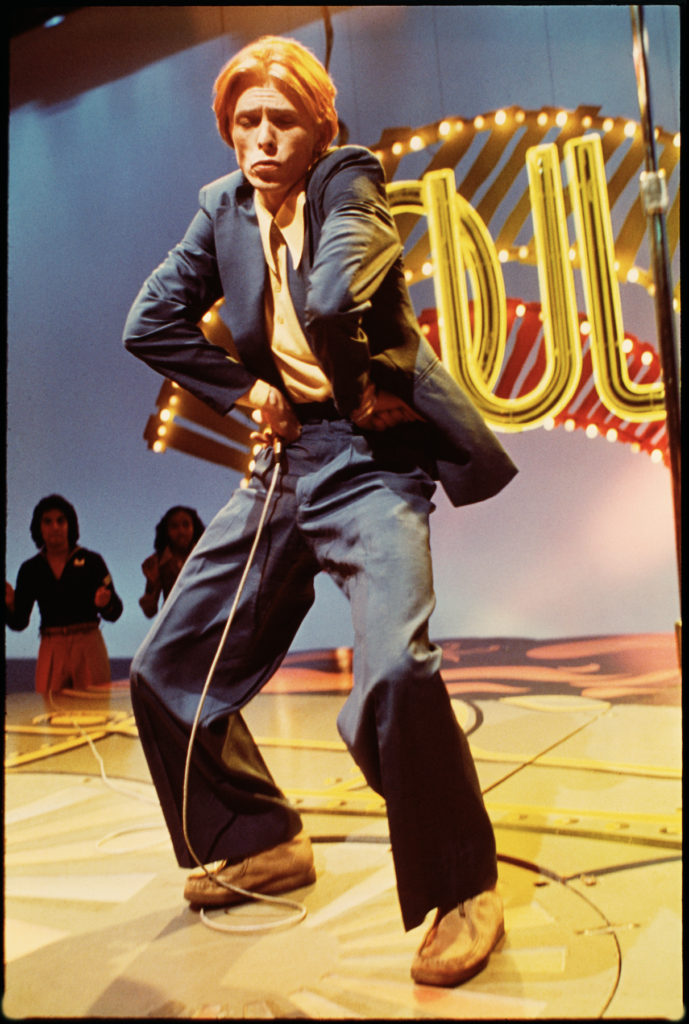
This laid the path for Clarks to become a global pop phenomenon, most notably David Bowie’s unexpected appearance wearing Clarks on Soul Train in 1975. Performing his chart topping single “Fame” in Wallabees, Bowie cemented the shoes status as the ultimate marker of cool.

For many Brits, Clarks’ association with rebellion begins with the schoolyard. Jony Ive recalls in the book’s forward: “my early memories of Clarks were shaped by the slightly angst-ridden back-to-school ritual we endured every September.” Through the decades this familiarity has been subverted on stage. Across genres, artists from Liam Gallagher to Jorja Smith have transformed the marker of childhood conformity into one of defiance, using the shoe’s ordinariness to sharpen its rebellious edge.
From Somerset to the World: Clarks A Visual History 1825–2025 by Alexander Newman is available now available now from onelovebooks.com.