
Music Communities Don’t Disappear Overnight. They Fade When Nobody Records Them
In partnership with APG
By Kara Markley
Music history often gives the impression that cultural movements announce themselves the moment they arrive. They rarely do. Most begin quietly in neighborhood venues, rehearsal rooms, college radio stations, independent record stores, and communities of musicians who have no idea they are building something future generations will study. By the time a local music scene earns recognition as part of cultural history, many of the people, places, and stories that shaped it have already faded from memory.
This reality has become increasingly important as the ways communities preserve culture continue to evolve. Cultural statistics show that safeguarding cultural heritage now depends not only on protecting historical archives but also on documenting living cultural activity while it is unfolding. In other words, preservation begins long before history decides what deserves to be remembered.
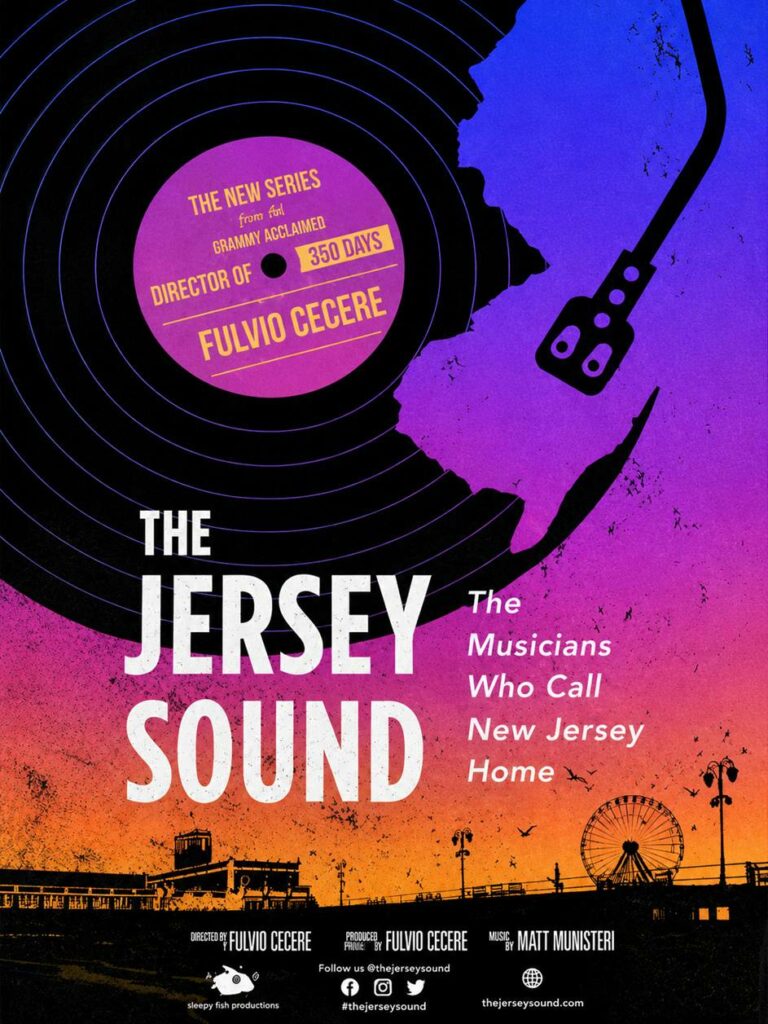
For Randy Dominguez, Executive Producer of The Jersey Sound, that idea sits at the center of how music communities should be understood. According to him, history does not disappear because great music stops being made. It disappears because too few people document the communities where that music first takes shape.
“People assume history preserves itself,” Dominguez says. “It doesn’t. Every legendary music community was once just a group of local musicians, venues, audiences, and supporters creating something together. If nobody records those stories while they’re happening, they become much harder to recover later.”
The People Behind Every Music Movement
Research concludes that cultural heritage is best preserved through continuous community participation rather than relying solely on traditional archives. The researchers argue that interviews, local storytelling, and community-generated records help preserve the social context that gives cultural history its meaning.
Dominguez believes music has always depended on that wider ecosystem. Performers may become the public face of a movement, but they rarely create it alone. Behind every influential local scene are venue owners willing to book unknown acts, journalists covering emerging artists, producers, photographers, promoters, and audiences that keep showing up long before national attention arrives.
“Those people become part of the music’s story too,” he says. “If we only remember the artists after they become famous, we’ve already lost an important part of how that history was made.”
Building a Living Archive for New Jersey Music
That conviction is what led Dominguez to develop The Jersey Sound beyond a documentary into a broader editorial platform dedicated to documenting New Jersey’s music culture. The organisation publishes interviews, historical features, artist profiles, and coverage of emerging musicians alongside stories that revisit overlooked moments in the state’s musical history. According to Dominguez, the objective is not simply to archive the past but to capture today’s music community while it is still evolving.
“We’re preserving culture while it’s still alive,” he says. “People often think documentation is something you do after a movement is over. By then, you’ve already missed countless conversations, relationships, and experiences that explain how it happened.”
Why Local Stories Matter as Much as Commercial Success
That philosophy reflects a broader shift in how creative communities communicate. Traditional newspapers, magazines, and radio stations no longer serve as the only record of local music. Podcasts, independent newsletters, creator-led websites, streaming platforms, and digital video channels have expanded the number of voices documenting artists and communities. According to Dominguez, the challenge is no longer a lack of places to tell stories, but ensuring those stories remain connected instead of disappearing across countless platforms.
He also believes that preserving music communities requires looking beyond commercial success. Countless musicians influence local scenes without becoming household names, while independent venues, promoters, photographers, educators, and community organisations often shape artistic development in ways audiences never see. Their contributions rarely appear in award ceremonies or chart statistics, yet they become part of the cultural foundation future artists inherit.
“Success isn’t the only measure of significance,” Dominguez explains. “Some musicians inspire a generation within their own community without ever becoming internationally famous. Their influence still matters because they helped create an environment where other artists could grow.”
Documenting Today’s Scenes for Tomorrow’s History
That perspective has become increasingly relevant as audiences rediscover music through documentaries, streaming platforms, podcasts, and creator-led media. Songs may find new listeners decades after they were first recorded, but Dominguez argues that understanding the communities behind those recordings gives people a richer appreciation of the music itself.
Ultimately, he believes preserving local music is less about nostalgia than responsibility. Every established music movement was once an emerging community whose future seemed uncertain. Whether today’s local scenes receive the same historical recognition will depend largely on who chooses to document them now.
“The next generation of important music is already being created somewhere,” Dominguez says. “The question isn’t whether those stories deserve to be remembered. It’s whether we’ll preserve them before they’re gone.”