
Orphan Prodigy Builds Rock for the Overloaded Age With Medication For A Modern World
In partnership with Music Industry Mastery
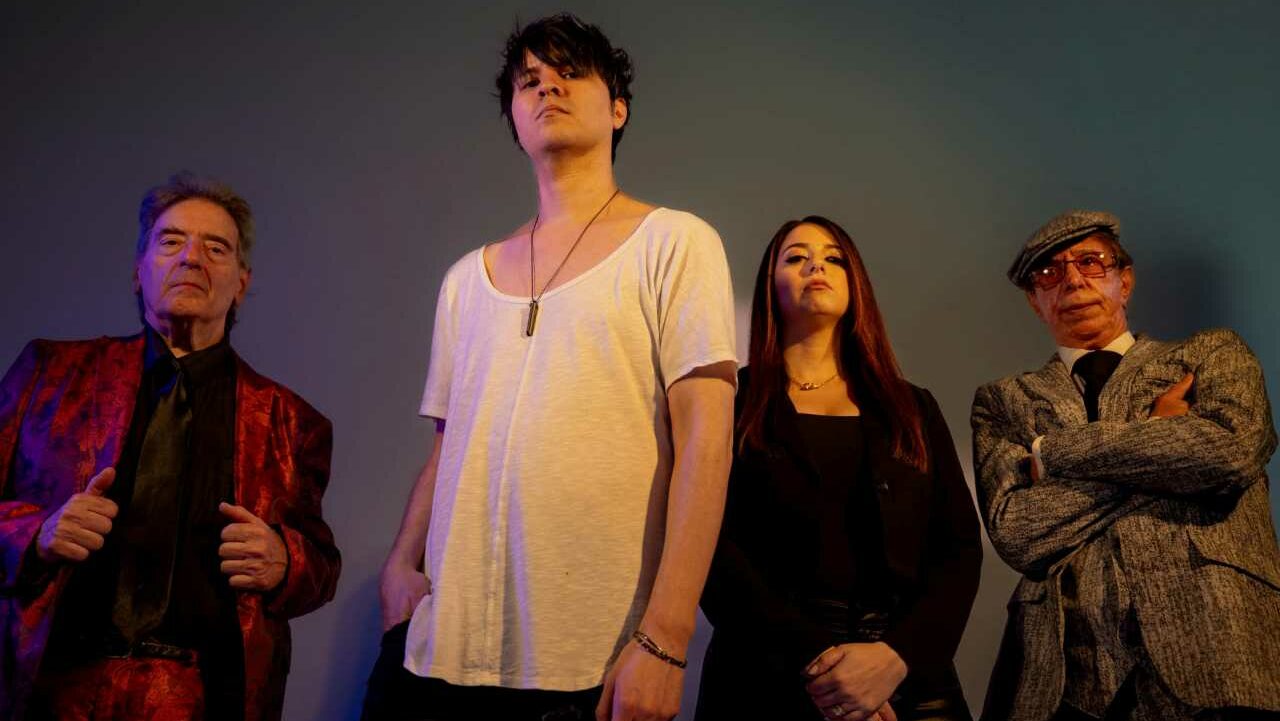
Medication for a Modern World turns pressure, precision, and electronic force into a live-wire modern rock identity.
Rock can still hit hard, though it needs a new metabolism. The old formulas feel too neat for a culture running on alerts, overthinking, restless nights, and the strange half-life of living through screens. Orphan Prodigy steps into that static with a sound that feels built for the present tense. Led by singer, songwriter, and producer Ian Keller, the music carries the charge of modern rock while feeding it through synth weight, dance momentum, and a level of control that gives every hit a sharpened edge.
That control never drains the pulse out of the music. Medication for a Modern World, the 2025 debut album, moves like something engineered in a storm and polished afterward with a steady hand. Big electronic textures keep pressing forward, guitars cut through with real bite, and the vocals stay close enough to the nerve center that the whole thing feels lived in. Songs like “Get Away” and “Traitor” make that collision feel immediate, turning anxiety, motion, and release into something built for both impact and repeat listens.
Built for Pressure
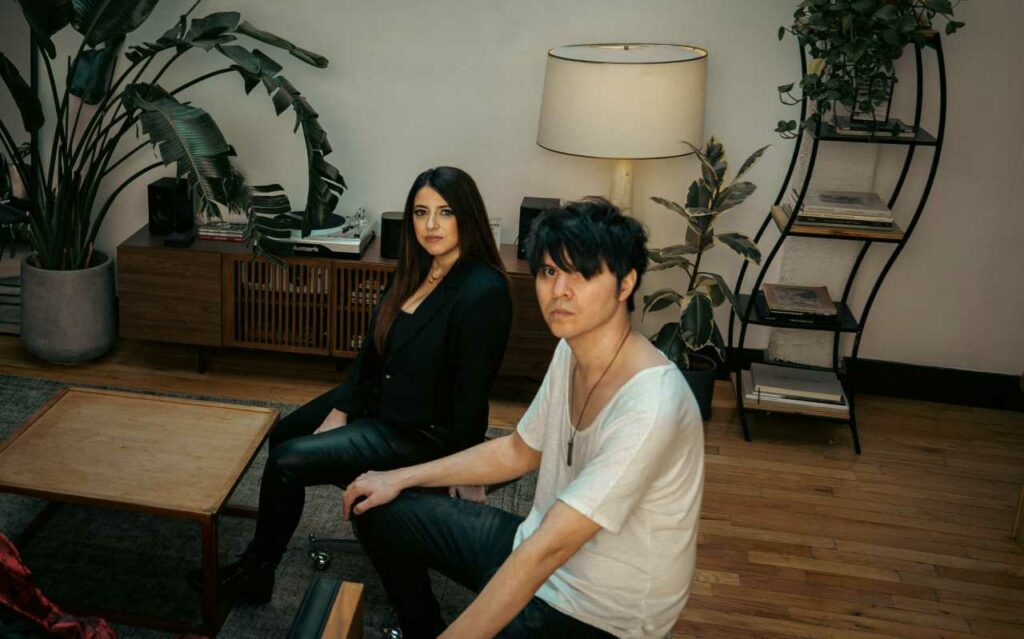
The story behind Orphan Prodigy gives the music its shape. Keller began building the project during quarantine after his earlier band, METORANA, had already taken him through writing and touring.
“The whole record was me trying to turn overload into structure,” Keller says. “If my brain was going to run that hot, I wanted the songs to make use of it.”
Keller’s time in Arizona gave the music a harder frame. At the Conservatory of Recording Arts and Sciences, the ideas stopped living only on instinct and started landing with more force and control. He talks about writing like a Lego build, where rhythm goes down first, melody stacks on top, and the vocal arrives while the emotional current is still hot. The songs feel assembled with intention, though they still sweat.
A Sound With Teeth

The sound is all about collision. Electronic drive gives the songs lift and velocity, while the rock core keeps them muscular and physical. Plenty of projects reach for that mix. Fewer know how to keep the tension alive once the layers pile up. Orphan Prodigy handles it by treating every sonic choice like part of a larger system, not a pile of cool parts dumped into the same session.
That system gives the project a rare sense of identity. A chorus lands with impact, a synth line opens the floor beneath it, and a vocal hook cuts through the center with no interest in hiding. “Get Away” pushes forward with urgency, while “Traitor” sharpens the project’s emotional and sonic edge, showing how Keller can turn pressure into structure without sanding down the nerve. The music understands pace, pressure, and release. It knows when to crowd the frame or leave enough air for the next hit to feel heavier.
Designed for the Stage and the Screen

Orphan Prodigy feels current because of the performance model around it. Keller is building the project for physical rooms and digital space at the same time, which gives the whole operation a bigger imaginative range. A live show can arrive with full-band force, while a broadcast performance still carries the same care around presentation, tone, and pacing.
That dual structure fits the music. These songs already sound like they belong in more than one setting. They can hit like a club system with guitars bolted onto it, then turn around and feel huge inside a traditional rock venue. Danielle Hope is on programming and percussion, Ray Padovano is on bass, and Allen Tavel sits on drums. Altogether, it illustrates how something born in isolation can turn into a connected performance environment with real physical weight.
Where Rock Goes From Here

Orphan Prodigy is the result of ambition attached to labor. Every layer bears Keller’s fingerprints, from the writing and production to the mix direction. The larger question is how these songs live beyond the speakers. That level of control gives Orphan Prodigy a rare sense of internal logic. The music feels authored.
Medication for a Modern World plays like a full-world introduction. Its rush of tension, velocity, and pressure becomes something sharp, physical, and strangely thrilling. Orphan Prodigy leaves the impression of a rock project with a clear identity, a volatile pulse, and enough voltage to keep expanding.