
Rewilding Wellness: Reclaiming Women’s Right to Choose
In partnership with Elite Discoveries and Your PR Story

Somewhere in the rise of holistic health culture, a growing sense of pressure in women’s bodies has crept in. Women aren’t only measured against nearly impossible external standards anymore. Increasingly, women are measured against a nearly impossible standard of healing — the expectation that with the right mindset, the right practice, the right internal work, women should be able to fix anything without medical intervention. That surgery is a failure. That the “natural” path is the noble one, and any other path is a concession.
This is its own kind of dogma, and it deserves some scrutiny.
A History of Being Told Women Don’t Know Their Own Bodies
Women have had their bodily choices dictated for centuries, where they’ve been told what to do with their bodies, such as staying silent about pain. While the specifics might change, the underlying message doesn’t. Others often assert that they know better than the woman living in the body.
That history hasn’t disappeared. It’s just changed shape. Today it can show up as judgment toward a woman who chooses conventional medicine over holistic care, or toward a woman who chooses holistic care over conventional medicine — as though there is one correct door, and walking through the wrong one makes her less devoted to her own health.
Women having sovereignty over their bodies must in part include sovereignty over how they choose to heal them.
The Scale of the Problem
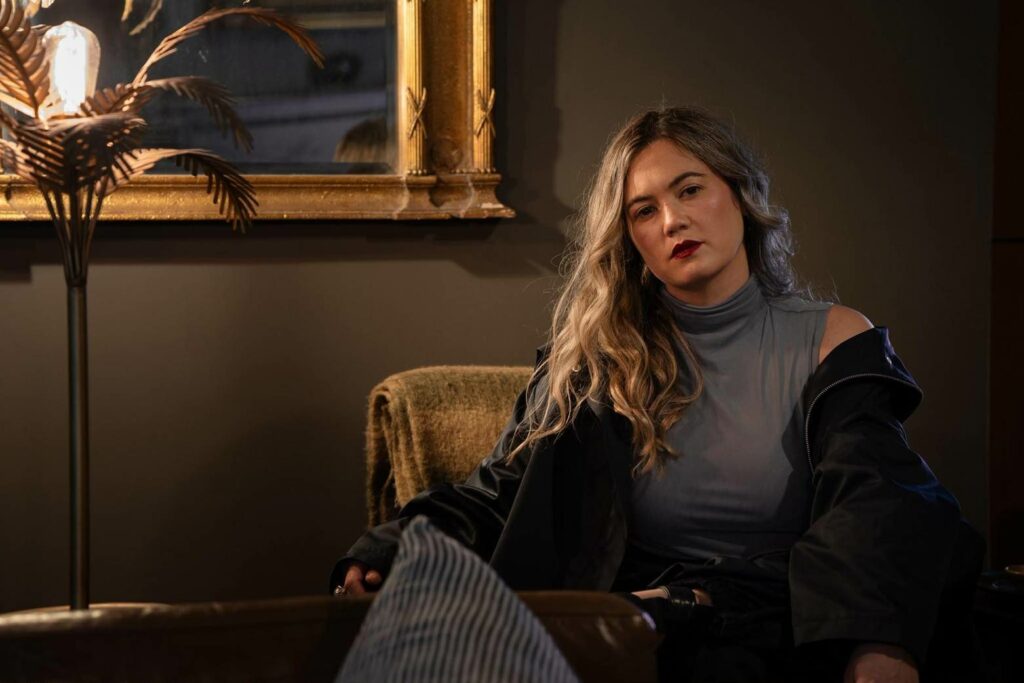
The numbers make clear this isn’t a fringe issue. Endometriosis, once dismissed for generations as “bad period pain,” is now estimated to affect roughly 1 in 7 Australian women and those assigned female at birth — a figure that has climbed as awareness and diagnosis improve. Adenomyosis, the condition Lucinda lives with, is estimated to affect around 1 in 10 women with subfertility, with Australia recording the highest prevalence found anywhere in the world.
Diagnosis, when it comes, is often painfully slow. Research on endometriosis has found an average delay of up to 10 years between the onset of symptoms and an actual diagnosis — up to a decade of women being told the pain is normal, is in their head, or is simply something to manage. That delay isn’t neutral. It can carry real costs: chronic pain, fertility complications, and a diminished quality of life that compounds the longer treatment is delayed.
Long before a woman is choosing between treatment paths, she may already be years into being unheard about pain in her own pelvis.
A Body Under Suspicion Heals More Slowly
This isn’t only a diagnosis problem. It’s a disease-burden problem. Roughly 80% of people living with autoimmune disease are women, and for conditions like Sjögren’s, women are affected up to nine times more often than men. Women also carry a disproportionate share of the world’s chronic pain — Australian surveys put women’s chronic pain prevalence noticeably above men’s, and that gap widens with age. Some of that is biological: two X chromosomes carrying immune-related genes, hormonal shifts across puberty, pregnancy and menopause that keep recalibrating an already reactive immune system.
But biology isn’t the whole story, and it’s worth resisting the urge to let it be. Research on chronic pain consistently finds that women are more likely than men to have their pain attributed to their emotional state rather than investigated as a physical finding — more likely to be read as dramatic, difficult, or simply mistaken about their own experience. That’s not a side effect of the shameful history above. It’s a continuation of it, translated into clinical language. A body that has been treated for centuries as suspect, excessive, or in need of correction doesn’t stop being treated that way the moment it walks into a hospital. It just likely gets to hear a new vocabulary about the same results.
Working With the Body Alongside Medical Care
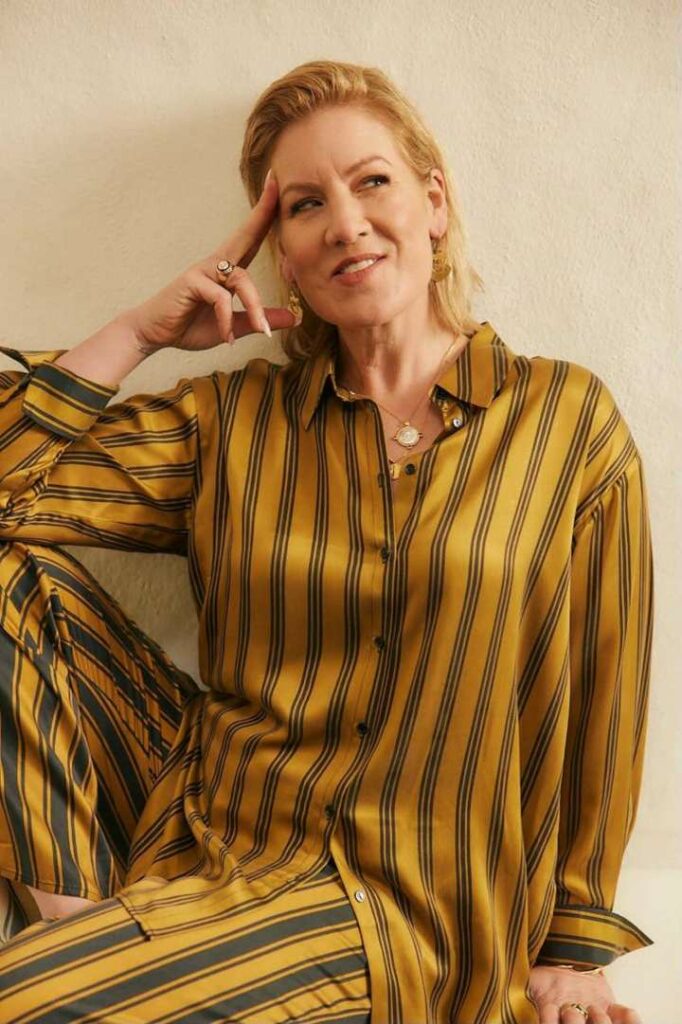
Lucinda, who lives with adenomyosis, explored holistic and somatic support alongside conventional care. Her work with Sigourney, a holistic women’s health physiotherapist, sexuality specialist, medical medium and founder of SOMAMYSTICA®, focused on developing a more conscious relationship with the pelvis and nervous system.
After considering her treatment options, Lucinda chose to proceed with surgery. She describes the complementary practices as a nurturing part of her experience but does not view them as a substitute for medical care. For her, the decision involved listening to her body, considering medical guidance and choosing the treatment she believed offered the greatest opportunity for comfort and quality of life.
Her experience illustrates that surgery and holistic support do not necessarily need to be framed as opposing paths. Medical intervention can form part of healing, while complementary practices may continue to provide emotional or physical support.
Empowerment, Redefined
In this context, rewilding does not require rejecting modern medicine in favor of traditional or holistic practices, nor does it require dismissing complementary approaches. Instead, it challenges the idea that there is only one legitimate path to wellness.
Sigourney does not position her work as a cure, although for some women, it may offer one. The practices are intended to help women explore the tension, shame or disconnection they may experience in relation to the pelvis. In Lucinda’s account, that work helped her feel more at home in her body while preparing for surgery.
Perhaps the broader shift wellness culture needs is away from prescribing a single correct answer and toward respecting women’s authority over their own health decisions. Depending on the individual, that may involve conventional treatment, complementary support or a carefully considered combination of both.
This article is for informational purposes only and does not substitute for professional medical advice. If you are seeking medical advice, diagnosis or treatment, please consult a medical professional or healthcare provider.