
‘John Lennon: The Last Interview’ review: AI sequences let down a final look at an icon
Steven Soderbergh's documentary offers a powerful look at John Lennon's final hours, though it is undercut by several AI generated sequences.
By Anna Smith
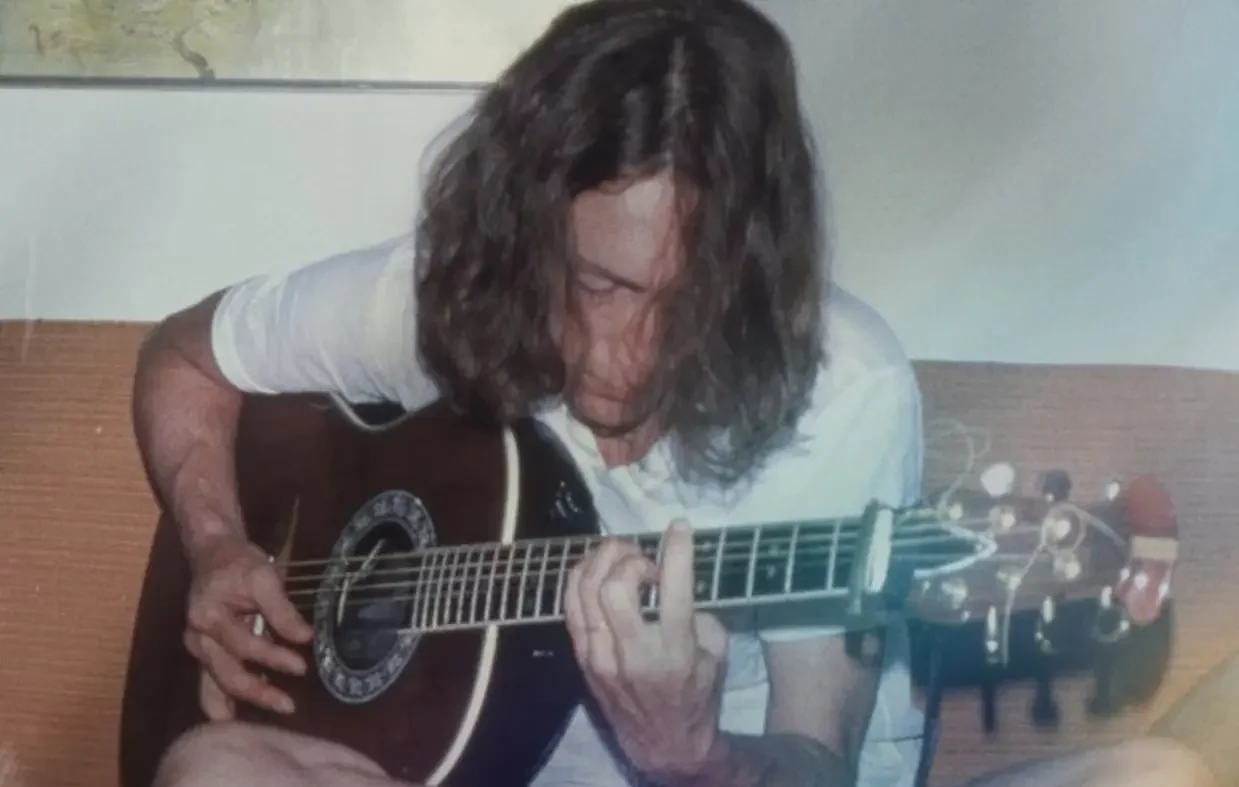
On 8 December 1980, a small radio crew from San Francisco sat down with John Lennon and Yoko Ono in their home at the Dakota in New York. John was just finishing a shoot with Annie Liebovitz for Rolling Stone, and then joined Yoko to talk to the team about their new album, Double Fantasy. It was an exciting moment for the journalists, but little did they know how momentous that interview would be. Hours later, on the steps of the same building, John Lennon would be shot dead. Tragically, their interview would be aired as a memorial – and, decades later in 2026, the complete interview would be made into a documentary premiering here at the Cannes Film Festival, by director Steven Soderbergh.
The result is a film with many revealing moments, despite the struggle to make visual entertainment out of an audio interview. While there’s terrific archive photography of John and Yoko, a few AI generated sequences look out of place, attracting criticism from some Cannes reviewers.
That aside, The Last Interview has much to offer those ready to ponder on Lennon’s life, work and legacy. Interviews with three of the journalists he spoke to add colour and context. They talk of his buoyant mood, and his willingness to bring up The Beatles, despite them being specifically instructed not to ask about the group. Lennon fondly recalls meeting and recruiting Paul McCartney, and sees Yoko as a kind of successor to that relationship (‘To work with your best friend is a joy.’). When speaking of music, Lennon comes across as enthusiastically open-minded, expressing his appreciation of disco and noting Ono’s vocal influence over the likes of the B-52s’ Cindy Wilson.
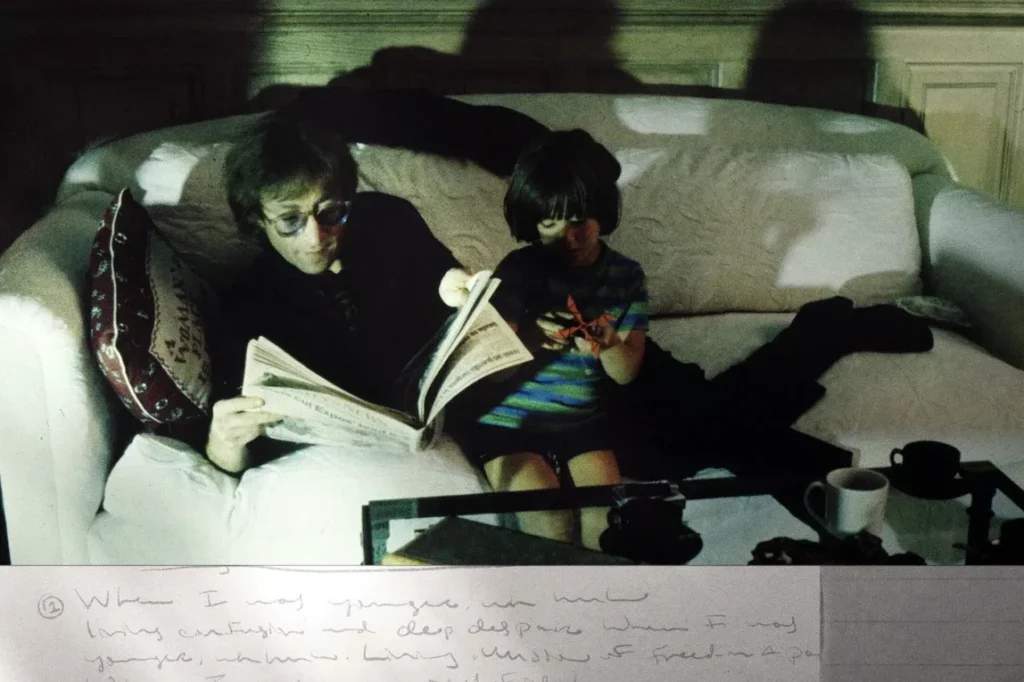
He talks about meeting Yoko at her art exhibition in London, joking that he expected some kind of orgy. Instead, he found a profound connection, an interest in modern art and, eventually, a life partner. They were both shy, he says, and it took them 18 months to sleep together, the morning after they first made music together. By contrast, you can’t help feeling a bit sorry for the groupies he dismisses as a meaningless transaction. But was a man who was – finally – starting to learn about feminism and fatherhood: hardly nailing either by modern standards, but he was trying. It’s fairly ironic, then, that his voice far outweighs Yoko’s, and that her name doesn’t make it into the title of the film (unlike 2024’s One to One: John & Yoko). When she does speak, she’s equally fascinating, and suggests that before she met Lennon, she was a “macho woman” and that John helped her to realise that men have problems, too.
Listening to this, it’s clear that they were both on a journey of trying to understand the other gender. It’s moving to imagine where their journey might have taken them.