
Jalen Ngonda isn’t just a museum
One of the great soul singers of our time returns with new album ‘Doctrine of Love’ and a determination to provide more than just nostalgia
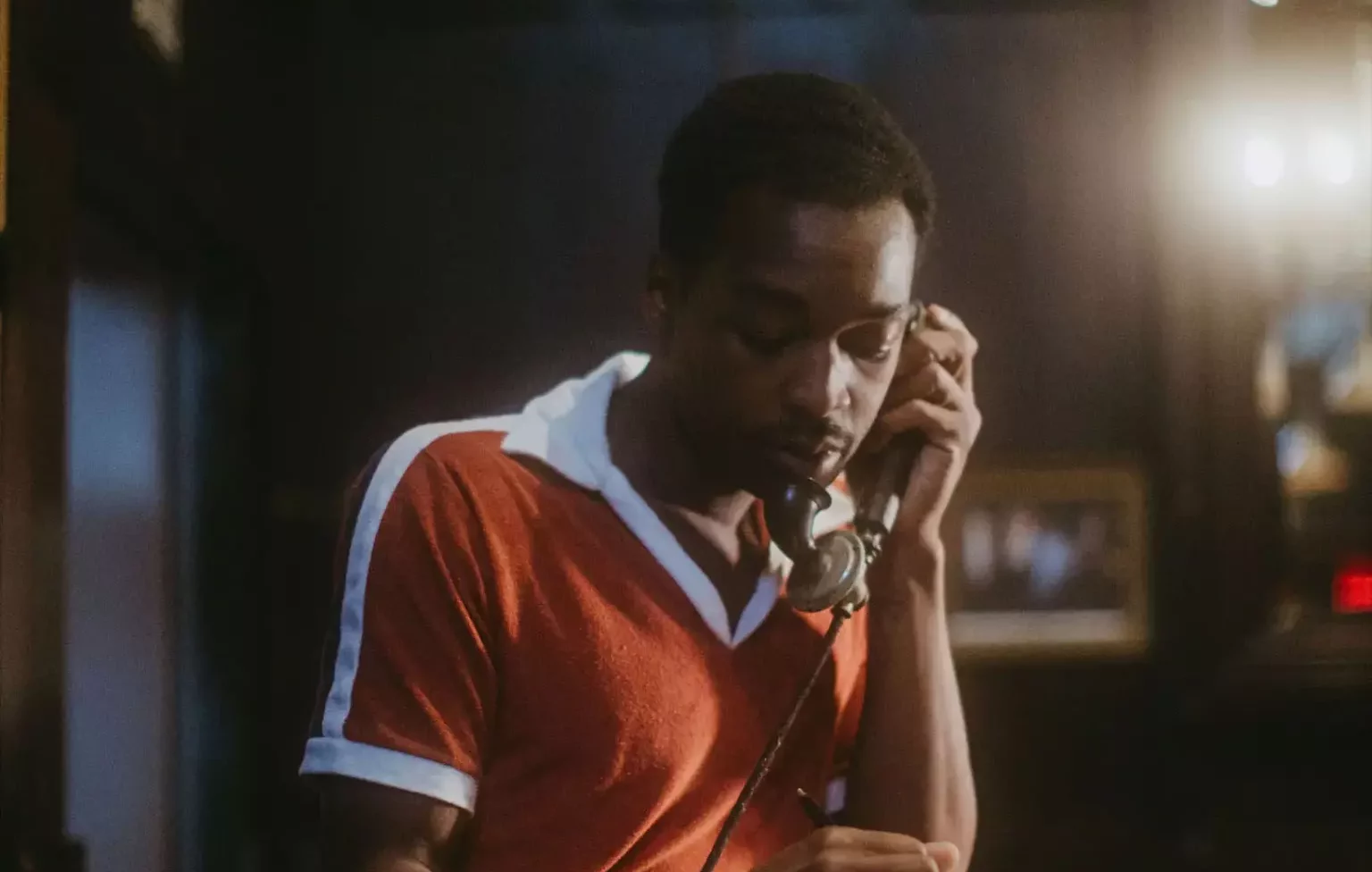
The day before I interview Jalen Ngonda, his name serendipitously comes up in a wholesome conversation about new music that I overhear in a south London sauna not far from the Virginia native’s current home. “I love him too!” goes the unanimous response from all 10 or so bathers in their forties and fifties. One remembers him busking on the street in nearby Herne Hill, while all are agreed on being entirely struck by that voice.
When I tell Ngonda this exact story the next day, he doesn’t seem that surprised. “I surely have captured the hearts of middle-aged white people,” he giggles. “It takes them back to their youth!”
Such a statement is a near constant when people share their love for Ngonda, a singer who, on first listen, feels transplanted into the 2020s from 1960s America. In reality, the singer, born in 1994 and having made a home in the UK after moving from the States to study in Liverpool over a decade ago, is young enough to be the offspring of any one of the sauna-goers.
By Ngonda’s own admission, he doesn’t listen to any music past 1972 or so, and almost the entirety of his being as an artist is inspired by the greats of decades past. Despite this, he doesn’t consider his career to be a nostalgic proposition for him – only for those who listen to his music. “My nostalgia is Outkast and Biggie and Toni Braxton,” he says. “Motown is my parents’ nostalgia!”
Instead, Motown and soul music became an obsession for Ngonda after he stumbled across a Temptations DVD being advertised on television, and it’s one that is proving to be a bottomless well of inspiration. New album Doctrine of Love, the follow-up to 2023’s supremely successful debut Come Around and Love Me, draws significantly from James Brown and other 60s staples. Recorded all-analogue at the New York studio of the legendary Daptone label, it’s an album informed enormously by history.
“It just became an obsession,” Ngonda says of Motown’s enduring influence on him. “It still is an obsession. I was listening to it this morning, and I’ve got it in my head right now.”
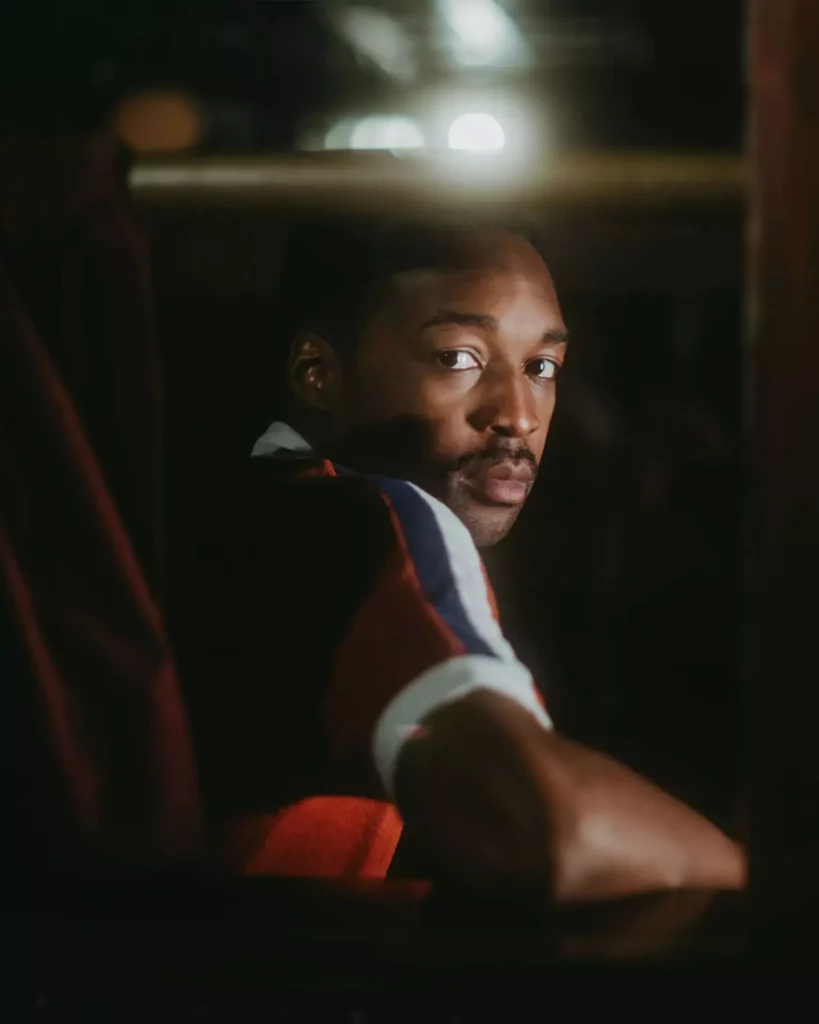
Nostalgia has never been a more powerful tool than right now, when escaping the terror of the current moment feels like an entirely reasonable response. At the same time, it can also be an incredibly selective, misleading and even manipulative emotion. When trends fly online of Gen Z music fans pining for the fashion and sounds of the turn of the millennium, the looming threat of the Bush administration and the Iraq War are glossed over (“I was a kid and I was stressed!” Ngonda says). It’s the same for him when thinking about his beloved 1960s.
“As much as James Brown is amazing, I don’t want to go to a public facility to find the coloured-only toilet,” he says matter-of-factly. He’s also quick to demystify ideas of him rolling around town in an old Cadillac and tapping away on a typewriter, as some might imagine him to be. “I doomscroll, I laugh at current political things, I enjoy a new update on an app,” he laughs, also sharing his love for HBO financial drama Industry. “I don’t have the views of back in the day, I don’t fear communism, and I try not to escape the world I’m in. Try to escape and you end up doing drugs, and I don’t want to do that.”
As much as misty-eyed nostalgia is a key part of his appeal, and though he does admit to admiring the cars, the fashion and the hairdos of the era, Ngonda isn’t trying to evade the present day, and his connection and inspiration from the Motown era goes little further than the music.
The music, though, is deeply inspired by and indebted to that world. While Come Around and Love Me was a 70s-leaning project, Doctrine of Love sees him go further back into the late 60s. With James Brown’s influence front and centre, it sees him channelling Chicago and Detroit soul with the unparalleled voice that has captured so many hearts.
Doctrine of Love is almost exclusively made up of love songs, written at a time when love felt hard to come by. Ngonda’s uncle had died just prior to the album’s recording, and its creation allowed him to distract himself from the grieving process and carve out aspirational songs that moved him away from his current moment. “I would go into the studio, get things right, try to be good,” before spending the evenings with his mother and contemplating their loss. “They’re love songs, but using the pain of what I went through,” he says. “You know, typical stuff…”
In the studio, he worked with a crew of equally Motown obsessed musicians and used the storied old studio as an instrument. “If I produced these songs in another studio, like here in London, it would sound pretty different,” he says. “I would still draw from the 60s and early 70s, but if I didn’t have the tape machine and the session musicians and the old pianos, it would sound more contemporary than it’s presented to be. I love the old sound and everything, so when you have the analogue sound, people are gonna think, ‘Oh, it sounds historical.’ To me, it just sounds new.”
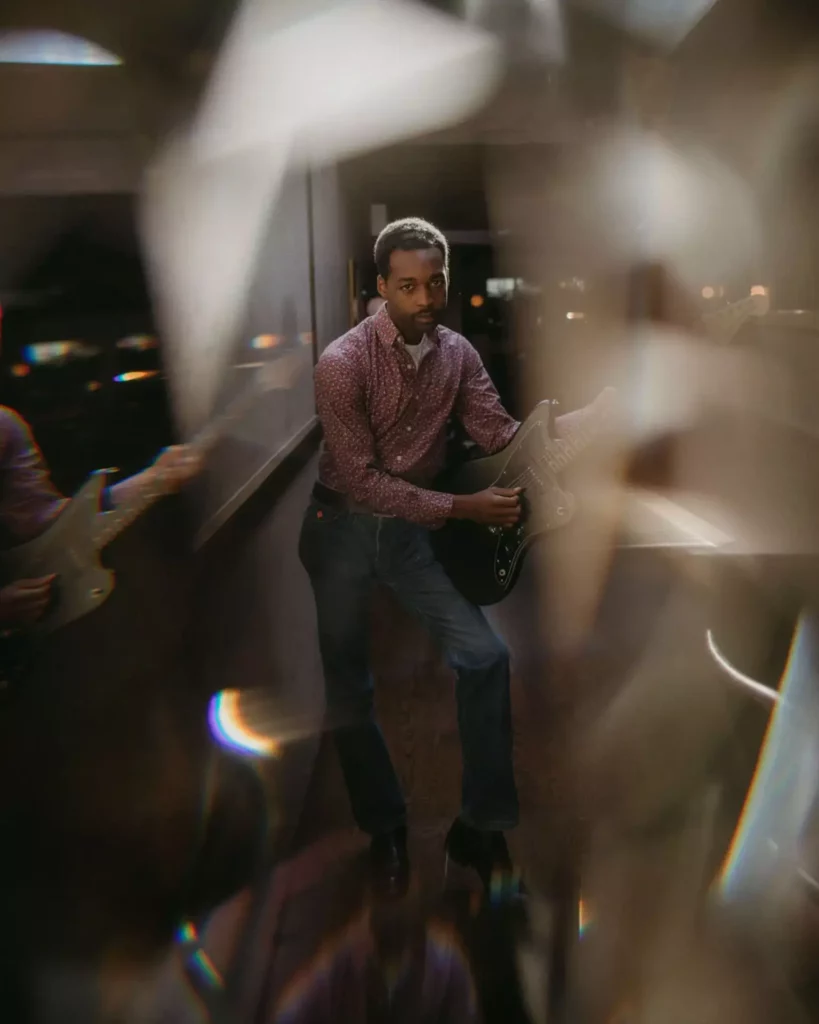
When people project their longings onto Ngonda’s music, they tend to do it onto him as a person too, something he’s quick to distance himself from. “No one is great in the grand scheme of things,” he says. “If I went and saw Marvin Gaye, I would have said, ‘You’re amazing!’ and he’d say, ‘I’m a piece of shit!’”
The greatest compliment you can pay him, then, is to his songs and not himself. “The song is its own existing thing,” he says. “When I’m dead, the song is going to keep on existing – not the other way around.”
If any hint of misty-eyed longing shows itself in Ngonda during our interview, it’s when he contemplates the idea, at some unknown time in the future, of someone taking Doctrine of Love’s sublime title track, like Aretha did with Otis Redding’s ‘Respect’, or Whitney with Dolly’s ‘I Will Always Love You’, and making it their own.
“I’m just a voice; I’m just a vessel,” he says with pride. It shows him as a songwriter of the 60s, the 70s, the 2020s and of no fixed date at all. All that’s concrete is the luck of being alive to witness it all.
Taken from the June/July issue of Rolling Stone UK. Buy your copy here.