
125 years of Black British music: Inside the V&A’s new landmark exhibition
The Music is Black: A British Story at V&A East Museum celebrates the growth of Black British music since the start of the 20th century.

The Music is Black: A British Story, a landmark exhibition at the V&A East Museum, opens on Saturday (18 April). Looking back at the past 125 years of Black British music, it is a celebration of its profound influence on art, culture and music as a whole.
The exhibition explores the origins of British-born Black music genres, from lovers rock and Brit funk, to the likes of two-tone, drum and bass and grime, with sound and multi-media installations bringing these stories to life. The collection includes more than 200 objects spanning art, photography, musical instruments and fashion. On display will be clothing worn by music greats including Dame Shirley Bassey, Little Simz, Seal and Skunk Anansie’s Skin. Also on show are instruments and personal items belonging to classical composer Samuel Coleridge-Taylor, Winifred Atwell – the first Black artist to have a number one hit in the UK singles chart – plus JME, DJ Target and more.
Described by the exhibition’s curator Jacqueline Springer as a “celebration and understanding of how social and political histories are responded to by people and their cultures to provide the art we all enjoy”, the narrative is told over four powerful acts. Starting from the 1900s, visitors can trace an ever-evolving sound from its roots in traditional African music practices and how it was shaped by British colonialism, transatlantic enslavement and migration, before arriving at the Black British music of today across a variety of genres from pop, dubstep and drill, to gospel, jazz and Afrobeats.
The exhibition is a celebration of the resilience, innovation and legacy of Black British artists, as well as the global impact and influence of British-born Black music genres.
Record-breaker
Although the announcement of the band’s headline set garnered backlash from the public and media alike, Skunk Anansie’s Skin made history with their 1999 Pyramid Stage performance as the festival’s first Black British headliner. The Glastonbury audience would have to wait 20 years for the festival’s second Black British headliner, with Stormzy performing on the Pyramid stage in 2019.
Set the tone
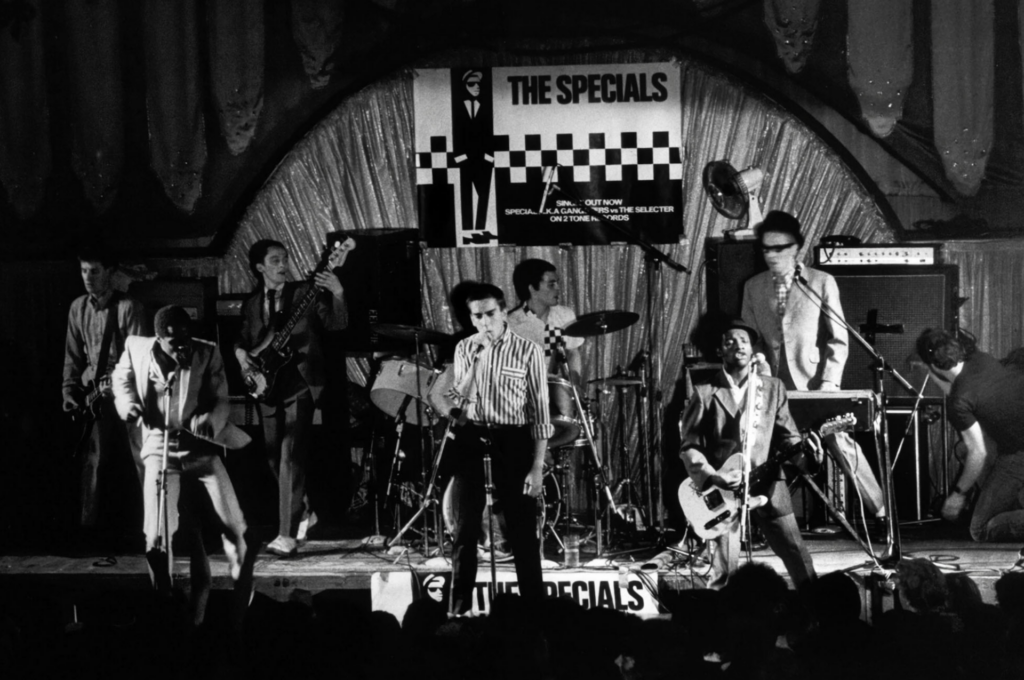
Two-tone, a genre pioneered by Jerry Dammers and his band, The Specials, was born in his tiny Coventry flat, where he also founded 2 Tone Records. Two-tone fused the sounds of ska, which had been brought to the UK through immigration from the Caribbean in the 50s and 60s, with UK punk and its DIY ethos. The Specials were known for their social and political commentary and for promoting racial unity, as shown by their involvement with the Rock Against Racism movement.

Chart-topper
Included in the musical instruments on display at the V&A East Museum is a piano belonging to Winifred Atwell, the first Black artist to reach number one in the UK charts in 1953. Born in Trinidad in 1914, Atwell moved to London in the 1940s and is credited as the only female instrumentalist, to date, to secure a top-selling UK single.
Beat the system
With its roots in Jamaica, sound system culture was brought to the UK by the Windrush generation of the 50s, going on to shape the likes of Notting Hill Carnival and the UK free rave scene. Ephraim Barrett, professionally known as Count Shelly, is credited with being a pioneer of sound system culture in the UK, as well as resident DJ at the Aces Club in Hackney before moving to the USA, where he founded Super Power Records.
Trailblazer
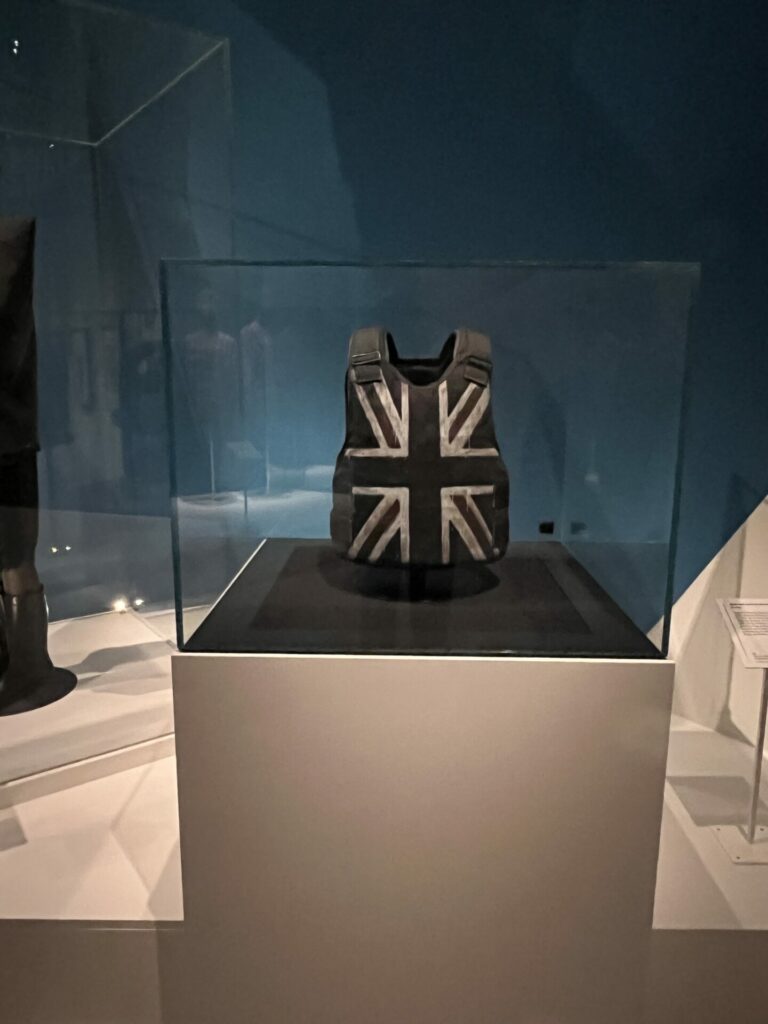
Stormzy’s Glastonbury set marked the first time a Black British solo artist headlined the festival. Taking to the stage in a Union Jack stab vest design by Banksy, the grime artist’s set was praised by musicians and politicians alike for his use of the platform to elevate others and highlight important social and political issues. The performance is widely considered one of the most culturally significant and era-defining sets in the festival’s history.