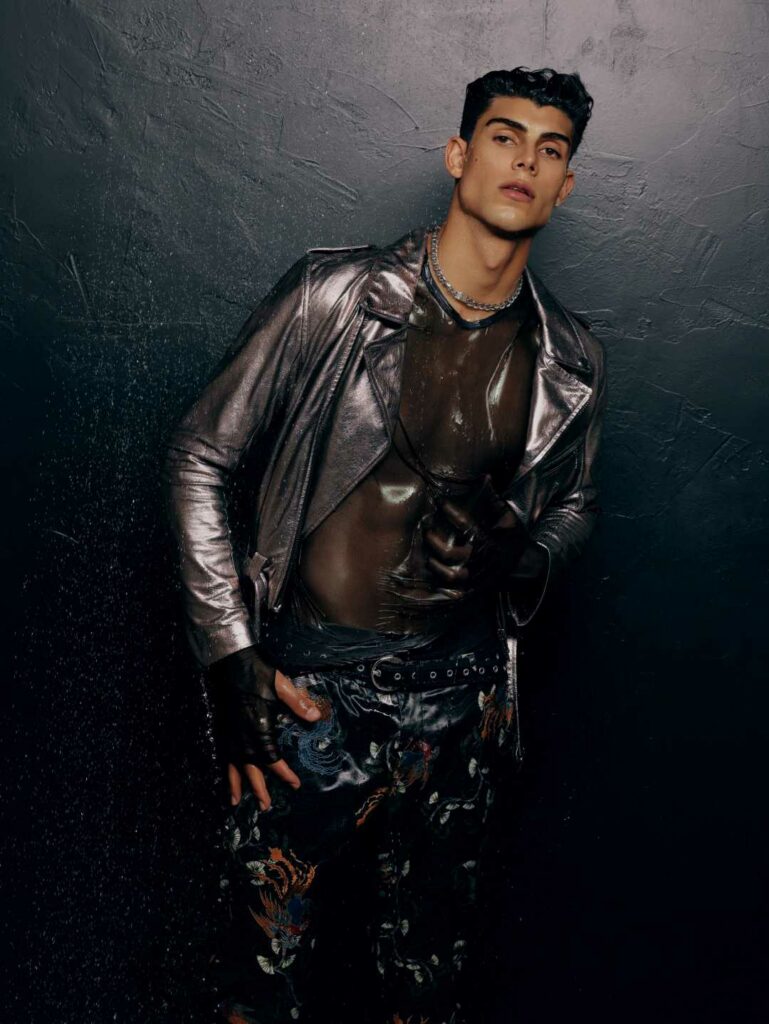
Luca Castellani Delivers a Standout Performance in Aly Muritiba’s AMERICA, a Drama Generating Early Awards Buzz
In partnership with NEON
By Grace Butler

As this year all Academy members can OPT-IN to vote for the shorts, Luca Castellani’s charm and emotional depth could carry AMERICA all the way
There are short films, and then there’s AMERICA, a 22-minute gut-punch that unfolds like a heartbeat too big for its frame.
After its private screenings this autumn, Aly Muritiba’s latest work left the room in silence: not confusion, not hesitation, but that shared moment of quiet reflection that follows something truly human.
The film, a story of displacement told with intimacy, stars Luca Castellani and Cheyenne Jackson as lovers on the run, caught between the borders of safety and exile. It’s a story that could have easily tipped into politics, but under Muritiba’s direction it becomes something else, a meditation on belonging and love, filmed with the urgency of a prayer whispered before dawn.

The Performance Everyone’s Talking About
At the centre of it all is Castellani, delivering the kind of performance that reminds you why acting still matters. His face, equal parts fear and devotion, anchors every frame.
There’s a sequence near the end, one single take, where he drives through the night with his dying partner beside him, singing the song they once shared. It lasts only a minute, yet it feels eternal. You can see him wrestling with hope, guilt, disbelief, sometimes all within a single breath.

It’s raw, almost uncomfortable, like watching someone open a wound on screen and not look away. Castellani doesn’t perform grief; he inhabits it. And when the scene ends, you realise you’ve been holding your breath too.
Some early viewers have noted Castellani as a performer to watch this season. In a year of polished spectacle, his honesty offers a refreshing contrast to more stylized performances.

Muritiba’s Eye for the Invisible
Aly Muritiba is no stranger to emotional warfare.
Following recognition of his other films, Muritiba arrives at AMERICA with sharpened empathy.
His direction is tactile, close-up, and unafraid of silence.
He frames Castellani and Jackson not as symbols but as two men suspended in an impossible moment — their intimacy captured in glances, their fear in the way light flickers off a windshield.
The camera trembles just enough to feel alive, and every cut lands like a pulse.
Muritiba’s strength lies in his restraint. He never tells you what to feel; he simply gives you nowhere else to look.

A Film for This Moment
AMERICA lands in a year when the word immigration has become louder than the people it defines.
Muritiba and Castellani restore the quiet, the ordinary, the unbearably personal.
Their story isn’t about crossing borders but about the emotional cost of doing so — the way hope can turn to heartbreak in a single heartbeat.
It’s impossible not to feel the timeliness of it all.
The world outside the cinema is full of fences — real, political, digital.
Inside, this film erases them.
It asks a simple question: What does it mean to belong, if love itself makes you a stranger?
That universality is what gives AMERICA its Oscar muscle.
It’s small in length but enormous in empathy — the kind of story that voters remember when ballots turn emotional.

Craft as Compassion
Muritiba surrounds his leads with an impeccable team.
Andressa Cordeiro’s cinematography glows with twilight hues, tuning bathrooms and car interiors into canvases of longing.
Karen Akerman’s editing is rhythmic but invisible, guided by heartbeat rather than pacing.
And Pavel Iaroshenko’s sound design layers silence until it feels deafening.
Every technical choice supports the film’s emotional architecture.
The craft never competes; it breathes with the story.
Luca Castellani: A Star in Formation
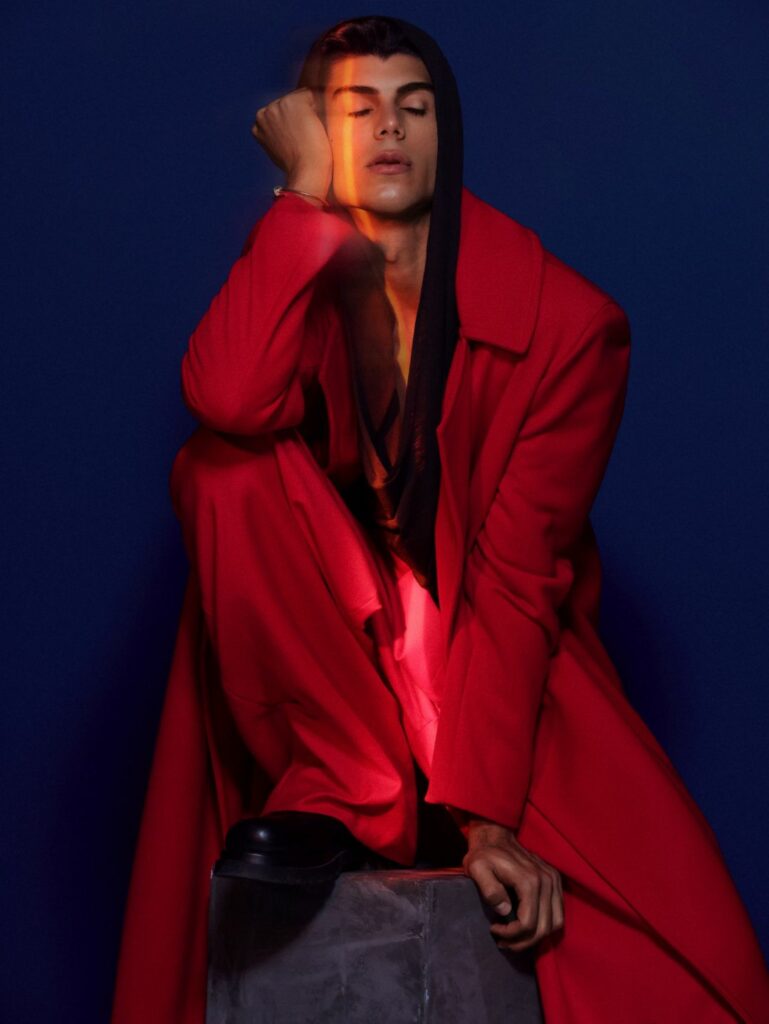
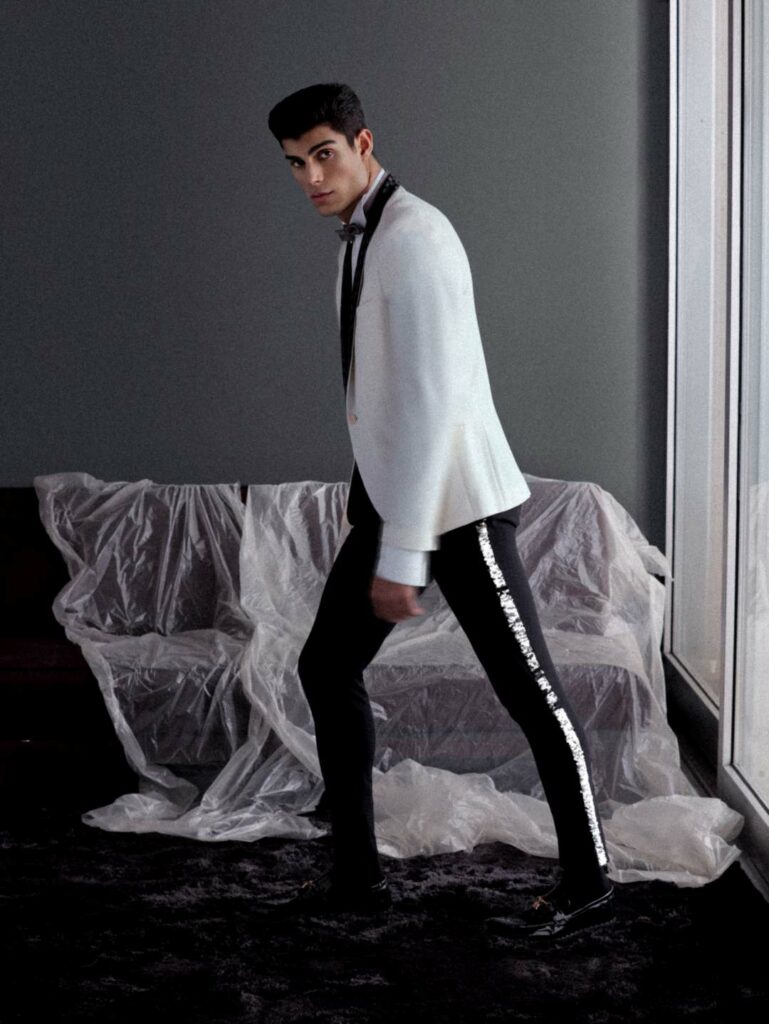
Hollywood has always craved new blood — but rarely does a performer arrive with this much control and conviction in a debut lead. There’s a sincerity to his screen presence that recalls the early work of actors like Gael García Bernal in Amores Perros or Timothée Chalamet in Call Me by Your Name — a blend of youthful vulnerability and emotional intelligence that stays with you long after the credits fade – He’s less concerned with looking good than with being true, and it shows.
Muritiba, known for discovering actors who later become festival fixtures, clearly recognised something in him: stillness. That ability to let the camera come to him, not chase it.
Castellani is new to film enthusiast , yet he doesn’t carry the swagger of a “discovered star.” He wears his ambition lightly, speaks of craft humbly. But make no mistake: this could be the moment that changes everything. If AMERICA is his introduction to the global stage, it’s a thunderous one.

The Film That Could Go All the Way
As this year the Academy opened the doors for all academy members to voluntarily OPT-IN to vote for Best Live action short, for the first time ever, getting voters eyeball with grace has never been so vital but AMERICA speaks for itself and during screening Castellani’s charms makes the final move.
By the time the credits roll, you’ve forgotten this is a short. It plays like a full-length tragedy condensed into pure feeling, a film that doesn’t ask for tears but earns them.
At post-screening conversations across Los Angeles and London, the same phrase keeps surfacing: “It’s the one that stays with you.”
In an awards season crowded with high-concept shorts, AMERICA stands out because it feels painfully, beautifully real.
The film has begun to attract early attention among viewers and industry insiders, and if there’s justice in this particular cinematic universe, it will find its way onto that final shortlist, if not beyond.
Because beyond the stats, beyond the politics, beyond the race, AMERICA reminds us what great cinema has always done best: make us care.