
Meet Little Grandad, the London brothers singing ‘blood harmonies’
The fast-rising quartet discuss evolving their sound over a hundred live gigs and the escapism of Americana
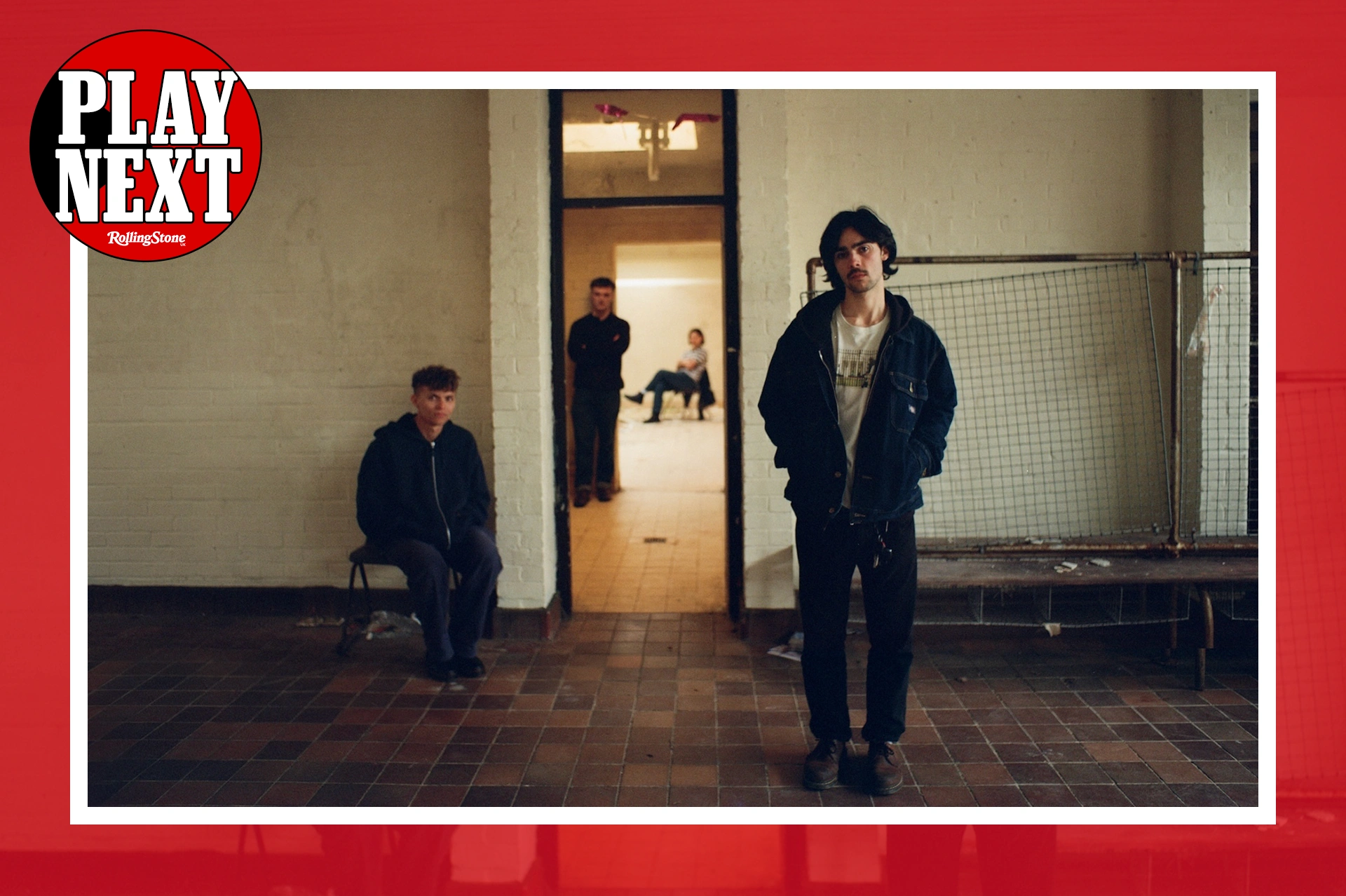
Sharing songs with your little brother is probably one of the most vulnerable things you can do as a young person. By their own admission, Harry and Jack Lower didn’t get on amazingly as kids. “We weren’t really that close,” Jack – the younger brother – tells Rolling Stone UK.
When Harry experienced a rough patch and was writing his way through it, something Jack didn’t even know his brother was doing, it ignited a new dynamic to the pair’s relationship, which had been slowly improving through the Covid lockdowns.
“It was the first time I’d ever tried recording a song, and I was trying to figure out who I was and what I wanted to do with my life,” Harry remembers. “I was in the middle of a degree that I really hated.” When he sent Jack the song, “he was really positive about it, which I was more than surprised about.”
In Jack’s memory, the feedback was even more emphatic, with the younger brother immediately working out which instrument he could learn in order to start a band with Harry and be able to play these songs together. “I like listening to Harry’s music more than anyone’s,” he smiles.
The songs – three recorded so far including new single ‘Babe, We’ve Run Out of Time’ – introduce a band influenced by Americana but making music that also touches on folk, rock, indie and beyond. Joined by guitarist/trumpet player Ned Ashcroft and Jimmy Brennan on drums, the quartet have made an exceedingly strong start to their career.
Through hype-building live shows (they’ll have played a hundred in their first calendar year as a band) they have honed and developed a sound that is turning plenty of heads, all anchored by that blossoming brotherly bond.
“The way I understand Harry is through the songs he’s written,” Jack says. “Because, you know, guys aren’t that open. Some things are easier said in songs.”
Read our interview with Little Grandad and listen to their music via our Play Next playlist on Spotify below.
Jack, can you remember your thoughts when Harry first shared music with you?
Jack: I knew when I heard it. It wasn’t just like, ‘Oh yeah, he’s good’. It’s like, this could be a journey of songwriting. The first song [he shared], it was just so powerful early doors. I look at it in eras. There was that first era, which was almost like album one, and then there was the second era, which was like album two. Now it actually feels like we figured it out, but now we’re in the public eye, if that makes sense. It’s like with all your favourite bands, but we just didn’t publicise the first two.
You even learned the bass in order to play music with your brother…
Jack: I couldn’t play anything. We were looking for another member at the start. Ned was playing bass early on, and I was just singing and standing there.
Ned: We had one time where we jammed with another guy, and at the end of it I just snapped at Jack and was like, ‘Mate, you’ve just got to play bass’.
Jack: We’d already spent quite a lot of time together, just messing about for about eight months before we even gigged. We just played together with no rhyme or reason or purpose, and that’s when everything got born. I did not want to do bass and singing, because everyone had told me that was really hard, and it’s still not getting any easier! There’s a lot of gigs though, and you have to learn quick when people are staring at you.
Harry – when you were first writing songs, did you have any frame of reference of how you wanted them to come into the world, or was it completely in a vacuum?
Harry: It was pretty much on my own. I didn’t really think about bringing it to a band. I thought my dream was to do everything in my room on my own, but then you slowly realise it’s not remotely possible, and it would just sound awful. Having the band has made me realise that that it just elevates your songs so much more. It may take your personal effect away from songs, but as a whole piece, it becomes so much more full. There’s so many layers to it now.
Speaking of gigs, you played live a lot before releasing your debut singles – was that a deliberate plan, to make people have to leave the house to see what the fuss was all about?
Jack: The ethos was gigs first. The songs have come such a long way from what they were. The more and more you gig them, the better shape they’re in when you get to record them. Especially because we wanted to do live records where it is very much us just playing in a room and capturing it. Over time we’ve made them better, hopefully.
Jimmy: We’re nearly at 100 gigs now.
Jack: Your audience subconsciously tells you a lot about a song too.
Jimmy: We’ve got good at reading the different types of cheers. Big cheer, medium cheer, little cheer.
Jack: We cut a lot of dead weight off of songs that we just didn’t really know why it was there.
There’s a persisting idea that you’re only a ‘real’ band when you’ve released recorded music – has that factored into your approach?
Jack: We were actually the opposite. Real bands are bands that can play their music before they record it and then display it how they’d want it to be displayed on a record. ‘Sleepwalking’ was the first ever song we did when we all got to a rehearsal, and we just chipped away at it slowly across those months. It felt like a fitting one to come out with [as a debut single] and it’s quite a good moment in our live set. In the first song of the set, we don’t really introduce much harmony work, and then we’d always have ‘Sleepwalking’ as the second song. It’d be like, ‘Wow, harmonies!’
The harmonies are such a distinctive part of your sound – how did you come to include them so prominently in your writing and performances?
Jack: We’re not creating fire, you know? Lots of people have done harmonies in the past, but for some reason we get people commenting on it a lot. It’s one of the things we work on a lot, because it’s really hard.
Jimmy: We had a good rehearsal once, where Harry sent in the demo for what is now ‘Tiny Feet’. I remember us all being like, ‘This is fucking lit’, and we were walking down the street. We had another tune that we were rehearsing, but we had to bin that off and do this one. I remember that feeling really special.
Jack: The streets of London learned that song before anyone else!
Jimmy: Before every gig, we do that [song] as our warm-up. It’s how we lock in with each other.
Did you ever sing together as brothers when you were growing up?
Harry: We didn’t even like the same songs!
Jack: We would have been closer to rapping together than singing.
Harry: I probably sang more than Jack when we were growing up.
Jack: I’d never have publicly sung though… too scared! I guess we got lucky in that there’s a blood harmony. It sandwiches quite well together. In the time we’ve been singing together, our voices have changed to match each other more.
Has being in this band and making music together changed your relationship as brothers outside of the project too?
Jack: Yeah! For the two years prior to the band, we’d started to get pretty close.
Harry: Living in London and both not really knowing what we were doing, that was a bigger commonality. Being lost in life and not really having an end goal.
Jack: It definitely made us closer, because we really weren’t that close. Music’s been our bond that tied us together for a while. Now obviously we’re all on top of each other all the time, so we barely spend a day apart. All four of us are forming a bond of sibling.
Tell us about your new single ‘Babe, We’ve Run Out of Time’ – it introduces a more energetic sound than we’ve hear5d from you before…
Harry: It was supposed to be a little bit less hectic than it is! I don’t know why I ended up shouting so much – that actually wasn’t really the plan. It was more of a yearning, and now it’s become more shouting.
Jack: We all have slightly different meanings for it…
Harry: I used to think it was really deep and meaningful, and then I remembered that when I wrote it, it was completely the opposite of that. It’s a really nice indie rock song to play live with everyone. We get way more Americana [comparisons] so it’s really nice to own this one.
Jack: Be a rock band!
Harry: It feels the song that is most myself in our set.
How does it feel to be labelled an Americana band?
Harry: I didn’t like it at the start. Your band doesn’t last for just a moment, and we’re planning for this to last for a long time. The more genres the better in terms of he span of what we will be in like five years.
Jack: Of the main influences we have, we do not stick or wed to one. We’re taking from all of them, and they’re all so broad and random that they will never be just one thing. The Americana thing is definitely an odd one, because we weren’t really big Americana listeners before, and it kind of happened by accident. Then we get pointed to a lot of bands, and were like, ‘Oh shit, like we do actually sound a bit like them!’ We got given the same ingredients as the Americana bands, rather than listening to them and trying to do what they did. We k found it in our own, more British way. There’s a growth in an Americana sound in the UK, and I think it’s because everyone’s just trying to escape.
Maybe not escape to America right now though…
Harry: We’re screwed!
Jimmy: We should make Brazilian music so we can go and live in Brazil!
Ned: Ah we’re not good enough musicians for that…