
Twin Peaks’ Mark Frost on the enduring legacy and the subversive style of Laura Palmer
Revisiting the iconic television series on MUBI Podcast’s “Ladies of Lynch”, the writer reflects on the series’ emotional protagonist.
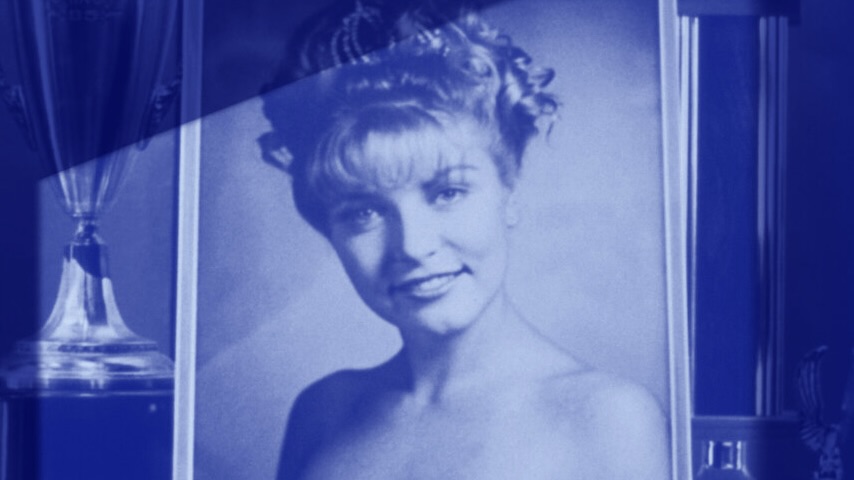
When David Lynch’s Twin Peaks first aired in 1990, Laura Palmer appeared to be a familiar television archetype: the beautiful homecoming queen whose murder exists to propel the stories of others. More than three decades later, people understand Laura as something far more radical. She stands as a subversive figure whose image and absence reveal the violence embedded in America’s idealisation of young women.
Catching up with series co-creator Mark Frost, he reflects how easily the character’s fate was once treated as a punchline. “It was easy to make jokes about that sort of thing,” he explains, noting that the shift in how audiences now respond to Laura mirrors “a cultural awakening we’ve had about violence against women”.
Our conversation echoes themes explored on MUBI Podcast’s Ladies of Lynch series, which opens with Frost joining host Simran Hans to discuss the subversive female characters that define Twin Peaks and its 2017 return, now streaming on MUBI. From Heidi Bivens breaking down her costumes for Inland Empire to Debbie Zoller on the prosthetics of Lost Highway, each episode unpacks their experiences working with the filmmaker.
For Frost, revisiting Laura’s on-screen legacy feels more urgent than ever, particularly as the United States’ political climate appears to be regressing, underscoring how much work remains to be done. “There are men who still have that Neanderthal mindset, where women are chattel or purely objectified,” he explains, adding that he believes those currently in power continue to view women in these terms.
Central to Laura’s enigmatic presence is her appearance. Styled in the visual language of mid-century American innocence, she embodies the idealised schoolgirl. Pleated skirts, sweaters, and saddle shoes harken to a postwar American mythology of purity through naiveté. Twin Peaks weaponised this aesthetic. The more pristine Laura appeared, the more disturbing the reality beneath became.
Frost’s portrayal of female characters in Twin Peaks demanded exploration to be fully understood. “I hope it’s helped lead the way into an era where we think of them as more fully realised than much of the male-dominated storytelling has for so long,” he explains. Rather than presenting women as one-note figures, he layered them with mystery, contradictions, and depth, inviting audiences to engage with their inner lives and motivations.
Through diaries, home videos, and Sheryl Lee’s visceral performance, Laura refuses narrative containment. She is charitable and self-destructive, loving and terrified, powerful and trapped. In doing so, she dismantles the binary roles long assigned to female characters as either victim or object within male-dominated storytelling.
“Laura has become an important symbol to people who have endured domestic violence or experienced it in their family,” Frost said, adding that Sheryl Lee’s continued engagement with the character has been central to that legacy. “She was so clued into the character. She embodied her.”
When Twin Peaks returned in 2017, its stark departure from the original series unsettled some viewers. Frost was unapologetic. “Well it shouldn’t be. It’s 25 years later. We’re different people as creators, the audience has changed, the expectations had changed. It had to be something new.”
What makes Laura Palmer enduringly subversive is not rebellion, but exposure. Her schoolgirl image does not soften the horror of her story, it sharpens it. In forcing audiences to confront the violence hidden beneath nostalgia, Twin Peaks transformed the perfect girl into a cultural reckoning, one that still demands America, as Frost put it, “get its shit together.”
Listen to the MUBI Podcast Season 9, Ladies of Lynch on Spotify and Apple Music.