
Ava Bently’s Rise Signals Growing Interest in AI-Generated Country Music
In partnership with Media With Drake
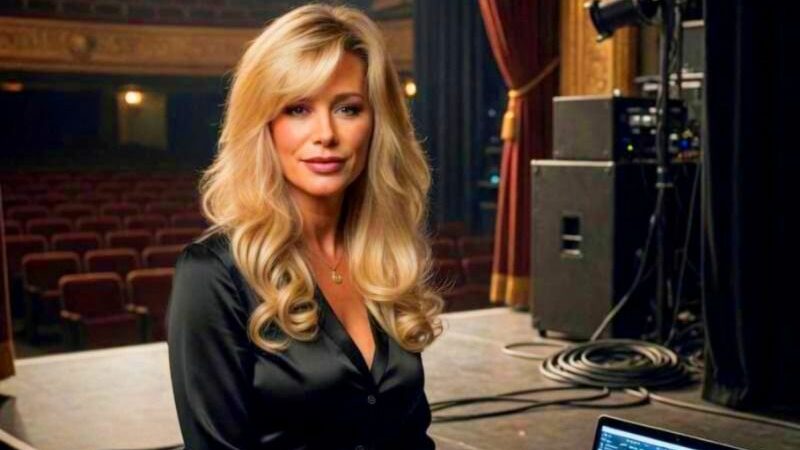
Ava Bently is quickly becoming one of the most talked-about names in country music—and she isn’t human. As an AI-generated country singer, Ava represents an emerging chapter in music, one that blends technology with traditional genre formats while raising new questions about creativity, authorship, and audience connection. Ava’s single, “Just Not Enough,” reached the number one spot on Amazon Music, a milestone that would be impressive for any artist, let alone one powered by artificial intelligence.
The Human Team Behind the AI Artist
Behind Ava Bently is Angela Barrow, an entrepreneur working in the independent music space. Barrow has built a platform designed to give artists access to professional label services without sacrificing ownership or control. Her mission centers on empowering creators to remain 100% independent while still benefiting from the tools traditionally reserved for major-label acts. Ava Bently is perhaps the most ambitious extension of that vision so far.
AI Music Enters a Traditional Genre
What makes Ava’s rise notable is the way it reflects a broader moment of experimentation with AI-generated artists in mainstream music. Her chart success has positioned her as an early example of a female AI country artist gaining mainstream traction, reflecting broader industry interest in AI-generated music. Country music has long been rooted in authenticity, storytelling, and human experience—qualities that many critics argue cannot be replicated by artificial intelligence. Yet Ava’s success challenges that assumption.
Listeners have responded to “Just Not Enough” for its emotional tone, polished production, and relatable lyrics. While the voice and persona are AI-generated, the songwriting, production decisions, and artistic direction still involve human input. This hybrid approach raises an important question: where exactly does the “artist” begin and end?
What AI Music Can Mean for Authorship
The conversation surrounding Ava Bently goes far beyond chart positions. Her emergence has sparked debate within the music industry about the role of AI in creative fields. Some see AI artists as a natural progression tool that expands what’s possible in music creation. Others view them as a threat, potentially displacing human artists or diluting the authenticity that fans value.
Critics worry about issues like transparency, ownership, and artistic integrity. Should AI-generated performers be clearly labeled? Who deserves credit for the music—the developer, the producer, the songwriter, or the AI itself? And perhaps most importantly, what happens if AI artists begin to dominate the charts?
Supporters, however, argue that AI doesn’t replace human creativity—it amplifies it. In Ava’s case, Angela Barrow’s role is central. From branding and storytelling to distribution and strategy, Ava is the result of human vision executed through advanced technology. Rather than eliminating artistry, this model introduces a new kind of collaboration between humans and machines.
What AI Tools Could Mean for Independent Artists
There’s also a practical dimension to consider. Independent artists often struggle to compete with major labels due to limited resources. AI tools, when used thoughtfully, could level the playing field by reducing production costs and opening new creative possibilities.
Even so, uncertainty lingers around AI music’s real impact on the field. Right now, it’s less about absolutes and more about subtle shifts in perception. Rising notice for Ava Bently hints at what’s possible – AI artists gaining traction with broad listenership, provided there’s clear artistic guidance shaping the output. New tools emerge constantly, yet emotional resonance still hinges on choices made by people, not programs.
Now shaping sound in fresh ways, Ava Bently pushes past old limits while pulling attention toward evolving ideas around creativity and control. Her path unfolding, questions grow louder – not just about talent but who gets seen, heard, shaped online. A different kind of presence taking form, one that swaps tradition for something less defined yet deeply felt. Though unclear if this marks a lasting transformation or a brief detour, the discussion shifts anyway – artist by artist, track after track.